Taiwan TSM TWN Rise on Pacific Geopolitical Tension
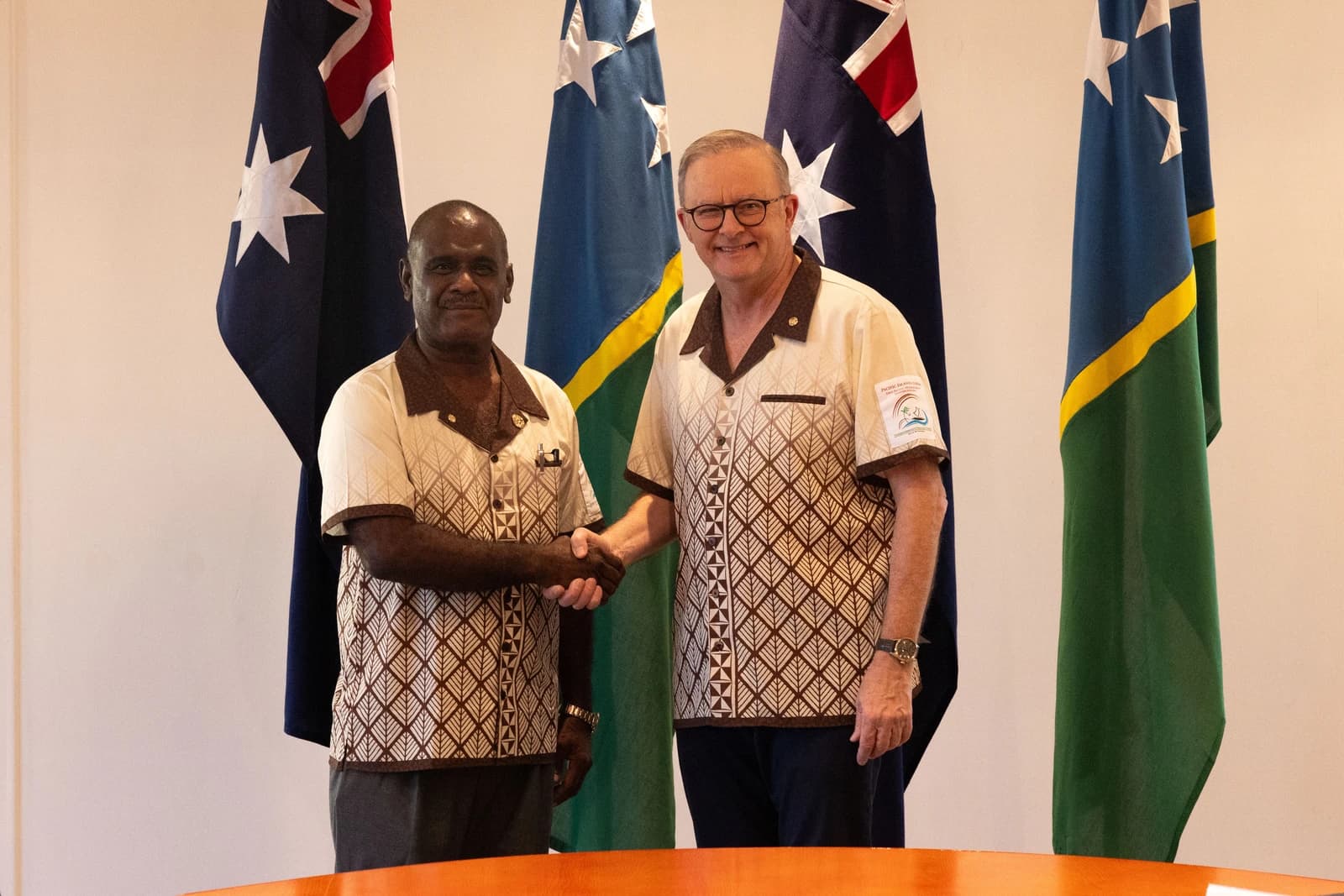
Palau’s pro-Taiwan stance is becoming a bigger geopolitical variable in the Pacific, sharpening the split inside regional forums just as Beijing expands pressure on Taipei and its partners.
That matters because the Pacific islands are no longer a symbolic chessboard. They are a corridor for security access, diplomatic recognition and influence over sea lanes that matter to the United States, China and Taiwan alike. When a small but strategically placed state like Palau aligns firmly with Taiwan, it complicates Beijing’s push to isolate Taipei diplomatically and raises the cost of any effort to redraw the regional balance by persuasion, inducement or coercion.
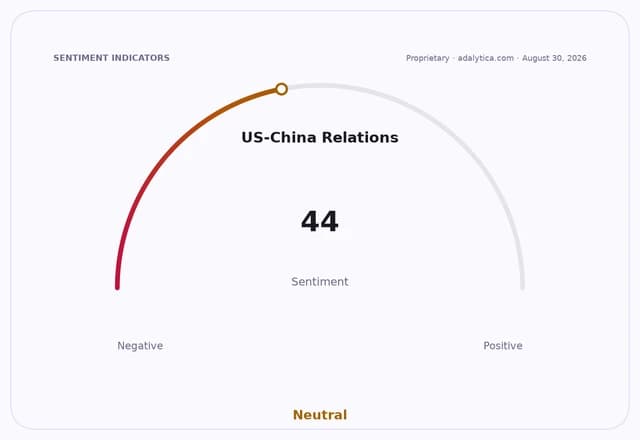
Taiwan’s position is already under strain from China’s military and political campaign, including warnings aimed at Taiwanese citizens working for firms Beijing deems hostile. Taipei has responded by leaning harder into security and technology spending, with its legislature approving a NT$7.6 billion budget to expand drone capabilities. The message is clear: Taiwan is trying to harden itself against pressure while preserving the few diplomatic relationships that remain outside Beijing’s orbit.
For investors, the immediate market impact is indirect but not trivial. A more polarized Pacific supports higher defense spending across the region, steadier demand for drones, surveillance systems and dual-use technology, and a more persistent risk premium on companies exposed to cross-Strait tensions. It also reinforces the strategic value of Taiwan’s semiconductor ecosystem, which sits at the center of supply chains that are already vulnerable to export controls, sanctions and geopolitical disruption.
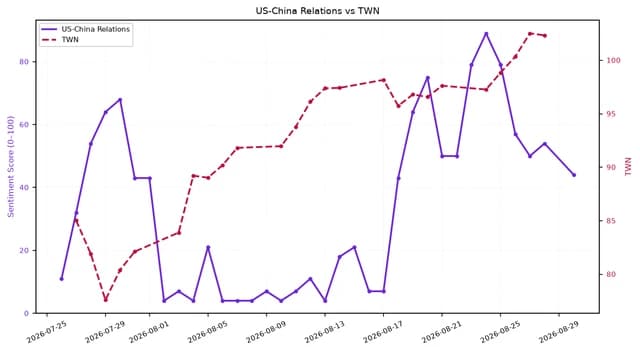
That backdrop helps explain why Taiwan-related assets have been volatile even as broader risk appetite has improved. TSM has recovered from a sharp July selloff, while Taiwan-linked vehicles such as TWN have surged to fresh highs, reflecting renewed interest in the island’s strategic and industrial role. Technical readings on TWN and TSM show both names extended but still supported by their longer-term trend lines, a sign that investors are positioning for a premium on resilience rather than dismissing the geopolitical risk.
The bull case is that Taiwan and its partners are learning to operate in a more contested region, turning diplomacy, defense spending and technology cooperation into a deterrent package. The bear case is that every fresh alignment hardens Beijing’s response, deepening the risk of trade friction, travel restrictions, cyber pressure or more aggressive military signaling.
Palau may be small, but in the Pacific forum it is helping define a larger struggle: whether the region tilts toward a Chinese sphere of influence or remains a patchwork of states willing to resist it.
| Entity | Gains | Losses |
|---|---|---|
| Palau / Taiwan bloc | ▲Diplomatic leverage | ▼Regional neutrality |
| China | ▲Forces greater alignment pressure | ▼Influence with Taiwan allies |
| Taiwan / TSM | ▲Security support narrative | ▼Higher geopolitical risk premium |
| Defense and drone suppliers | ▲Demand boost | ▼Trade and export-control exposure |