Taiwan to unveil $20B-$30B US investment plan
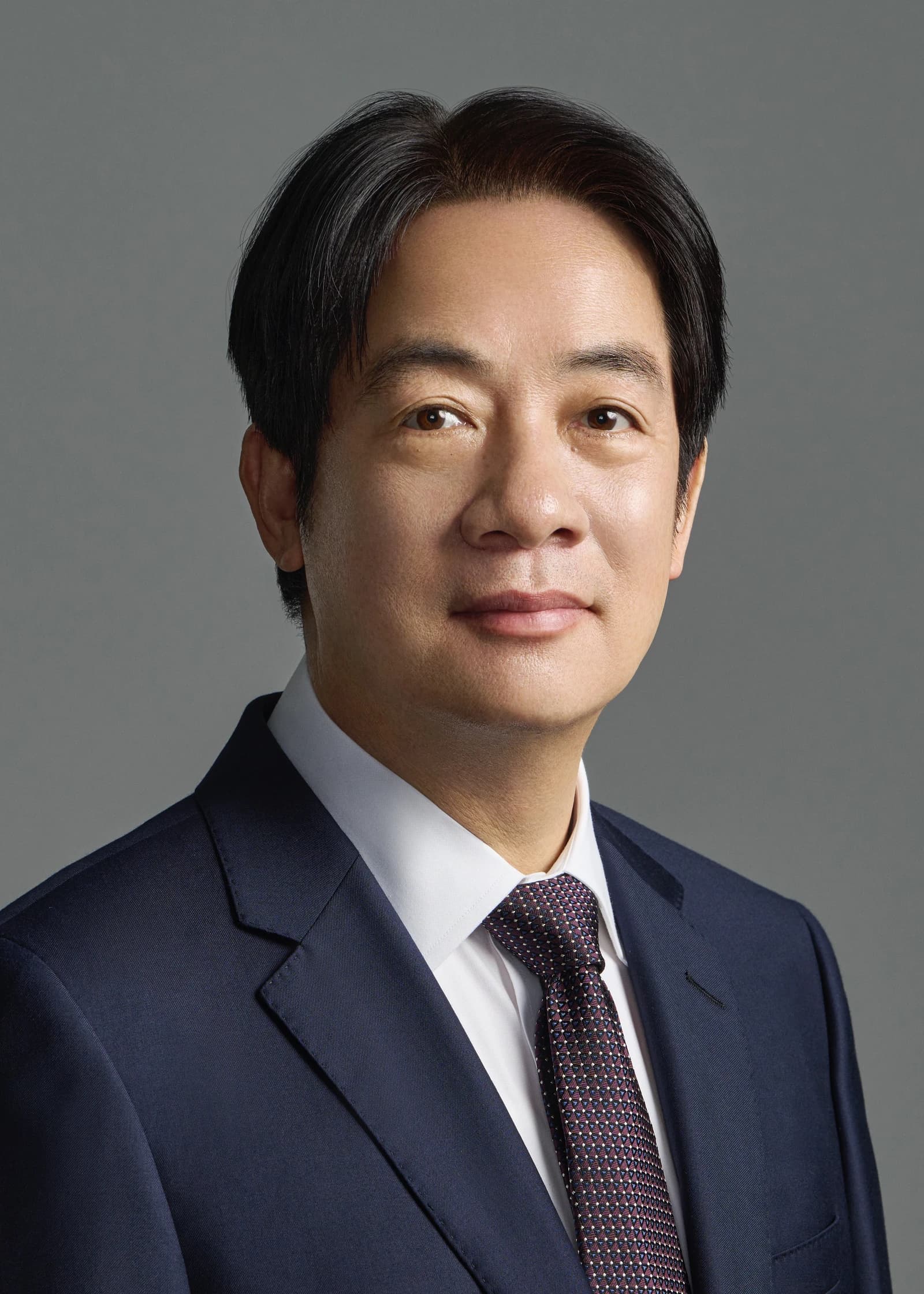
Taiwan is set to unveil another $20 billion to $30 billion in US investment next week, deepening a semiconductor pact with Washington that could reshape chip supply chains and determine who pays new US tariffs on imports.
The planned commitment matters because it ties Taiwan’s chip sector more closely to US industrial policy at a time when President Donald Trump’s administration is preparing fresh semiconductor tariffs. Companies that build in America may get relief, while those that do not could face higher costs to access the US market.
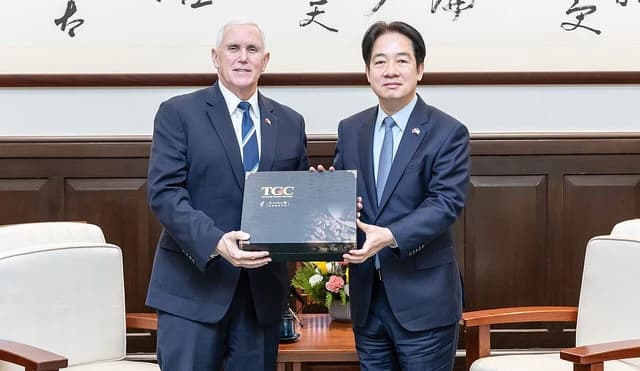
Commerce Secretary Howard Lutnick said the deal would span semiconductors, artificial intelligence and energy, and would add to the wave of investment already flowing into domestic chip capacity. He said the US has secured $1.2 trillion in semiconductor investment and that Taiwan Semiconductor Manufacturing Co has lifted its Arizona expansion to $265 billion.
Taiwanese firms are expected to make the additional investment after an assessment following the SelectUSA Investment Summit in May, Taiwan’s economy minister Kung Ming-hsin said in Taipei. The investment would supplement earlier commitments under a trade framework that already included a pledge for Taiwanese semiconductor, electronics manufacturing service, AI and energy companies to invest $250 billion in the US.
Lutnick also said the earlier Taiwan trade deal called for 40% of chip production to move to the US, a goal Taipei has previously rejected as unrealistic. The shift underscores how Washington is using tariff policy to push more advanced manufacturing onshore and reduce reliance on Asian supply chains.
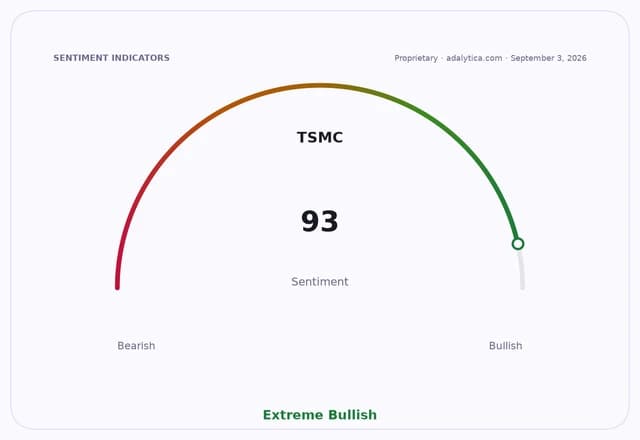
For investors, the story is about both opportunity and margin pressure. TSMC’s shares have climbed sharply this year, with the stock recently trading above $415 and still well above its 200-day moving average, while Nvidia and Intel have also benefited from the broader AI-fueled semiconductor buildout. But a more aggressive US tariff regime could raise costs for firms that remain tied to offshore production, while boosting domestic capex winners.
The policy direction also reinforces the geopolitical premium on Taiwan’s chip sector. With AI demand driving turnover across the island’s semiconductor industry, Washington is pressing to lock in supply while Taipei tries to preserve flexibility over where production is built.
The next market catalyst is the formal Taiwan announcement and any follow-up detail on tariff exemptions, which will help determine whether the new investment wave supports chip stocks further or simply reshuffles who captures the next round of manufacturing spend.
| Entity | Gains | Losses |
|---|---|---|
| TSMC / Taiwan chipmakers | ▲US market access, tariff relief | ▼Higher US capex burden |
| US semiconductor industry | ▲More domestic investment | ▼Dependence on foreign supply eases slower |
| Nvidia and AI suppliers | ▲Stronger US chip ecosystem | ▼Potentially higher input costs |
| Offshore chip producers | ▲— | ▼New tariff risk |