Tamil Nadu Rice Prices Rise on Supply Stress
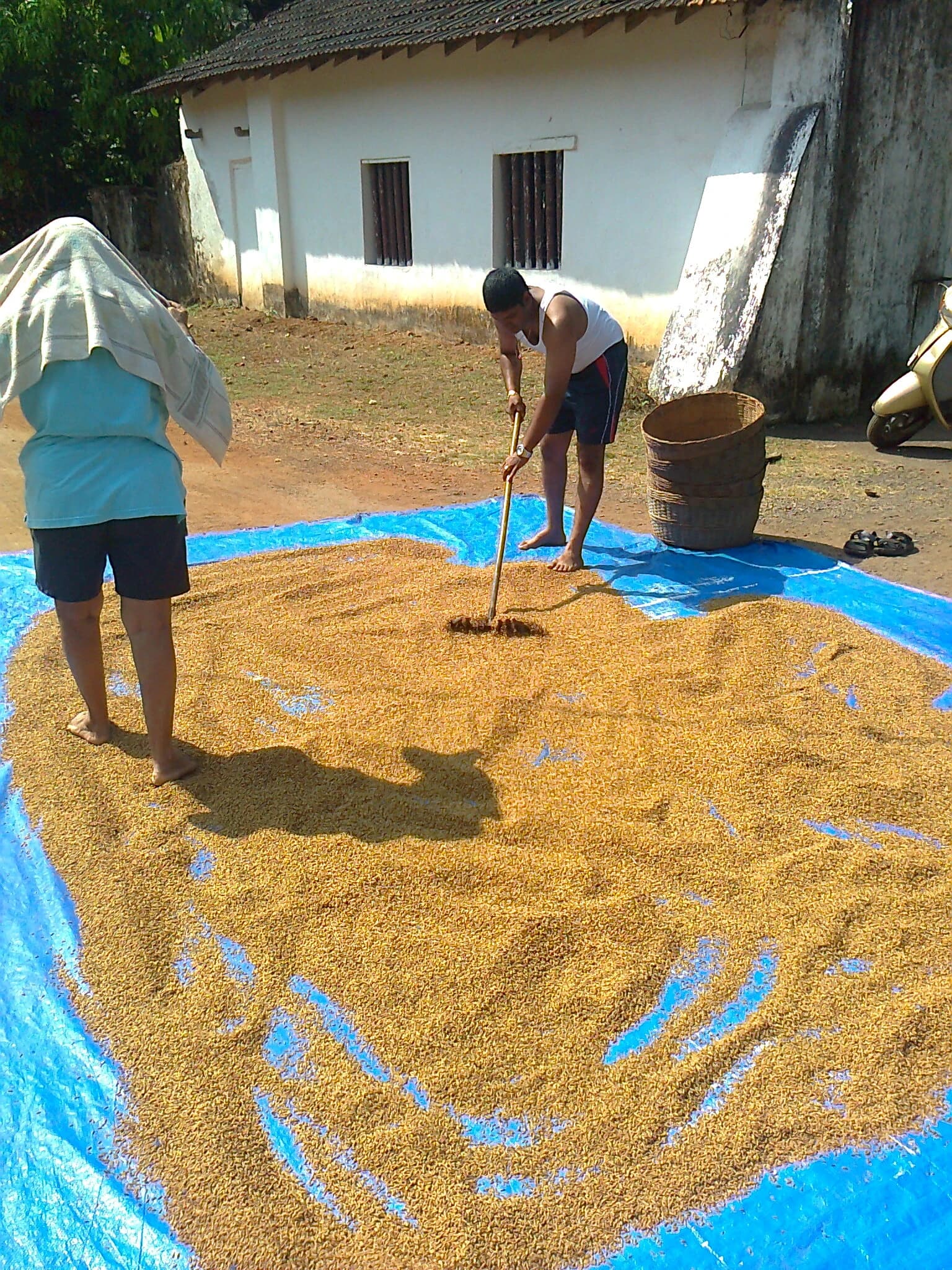
Rice prices in Tamil Nadu have jumped by as much as ₹15 to ₹30 a kilogram, and the surge matters less as a weather shock than as evidence that India’s second-largest state economy has allowed farm output to erode for decades.
The immediate trigger is the weak monsoon and drought stress in the Cauvery delta, but the larger story is structural: shrinking cultivated area, stagnant irrigation investment and poor price support have left Tamil Nadu dependent on rice shipments from Andhra Pradesh, Telangana and Karnataka. That makes households more vulnerable to supply shocks and pushes food inflation higher in a state where consumer prices were already running at 5.11% in May 2026, above the national average of 3.93%.
For investors, the significance is broader than one staple crop. Persistent agricultural underperformance raises the odds of more frequent food inflation spikes, which can squeeze real incomes, complicate monetary policy and reduce consumer spending power across southern India. It also underscores a recurring risk for companies exposed to mass-market consumption: when edible essentials rise, margins in staples, retail and discretionary categories can come under pressure as households trade down.
The decline in Tamil Nadu’s farm base has been long in the making. Paddy area has fallen to about 19 lakh hectares in 2024-25 from roughly 27 lakh hectares in 1970-71, even as the national cropped area has expanded. Tamil Nadu’s share of India’s paddy output has shrunk to around 5%, down from its position as a leading producer in the 1970s. Yields have stagnated at about 3,200-3,300 kg per hectare, well below the 4,400 kg per hectare now seen in Punjab and Haryana, where irrigation, mechanisation and high-yield seed adoption were pushed more aggressively.
The economics for farmers are grim. The Commission for Agricultural Costs and Prices puts the cost of cultivating paddy in Tamil Nadu at ₹99,902 per hectare in 2024-25, above several major rice-producing states. The result is a business that has repeatedly failed to generate returns: over nearly five decades of C2 cost data, paddy farmers in Tamil Nadu were profitable in only 15 years, and since 2000-01 in just three. In a state where wages, machinery rentals, irrigation and input costs have climbed faster than support prices, the incentive to keep growing paddy has steadily weakened.
That is why the current spike is important for investors and policymakers alike. It is not just a commodity move; it is a pricing signal that domestic supply has lost resilience. If the state remains reliant on outside supply for fine varieties such as Ponni, every deficit in rainfall, river allocations or inter-state logistics can feed directly into retail inflation. The risk extends beyond rice. The same structural weakness has helped reduce Tamil Nadu’s contribution to national output in oilseeds, pulses, cotton, sugarcane and groundnut, increasing the chance that future food inflation broadens rather than eases.
The policy response now looks central to whether the shock becomes persistent. More direct procurement centres, better warehousing, higher state incentives linked to realistic cultivation costs and a wider irrigation revival plan would help stabilise production over time. Without that, the state’s farmers remain trapped in low-return cultivation, and consumers face a cycle of recurring price spikes that can outlast the weather event that first exposed the problem.
| Entity | Gains | Losses |
|---|---|---|
| Tamil Nadu farmers | ▲Higher procurement incentives | ▼Higher input-cost squeeze |
| Consumers in Tamil Nadu | ▲None | ▼Higher rice bills |
| Rice suppliers from other states | ▲Stronger demand | ▼Supply pressure risk |
| Tamil Nadu government | ▲Policy urgency leverage | ▼Inflation and political cost |