The US budget deficit widened to $120 billion in June, with import tax refunds doing the heavy lifting on the downside for federal receipts and underscoring how tariff policy is now feeding directly into the fiscal balance.
Tariff Refunds Deepen U.S. Fiscal Deficit
The jump matters because it shows the government is not just collecting less from import duties in the near term, but also sending cash back to importers after tariff-related charges were challenged and refunded. That hits Treasury financing at a time when the federal books are already under pressure from elevated spending, sticky interest costs and a deficit that had already swelled to record levels earlier in the year.
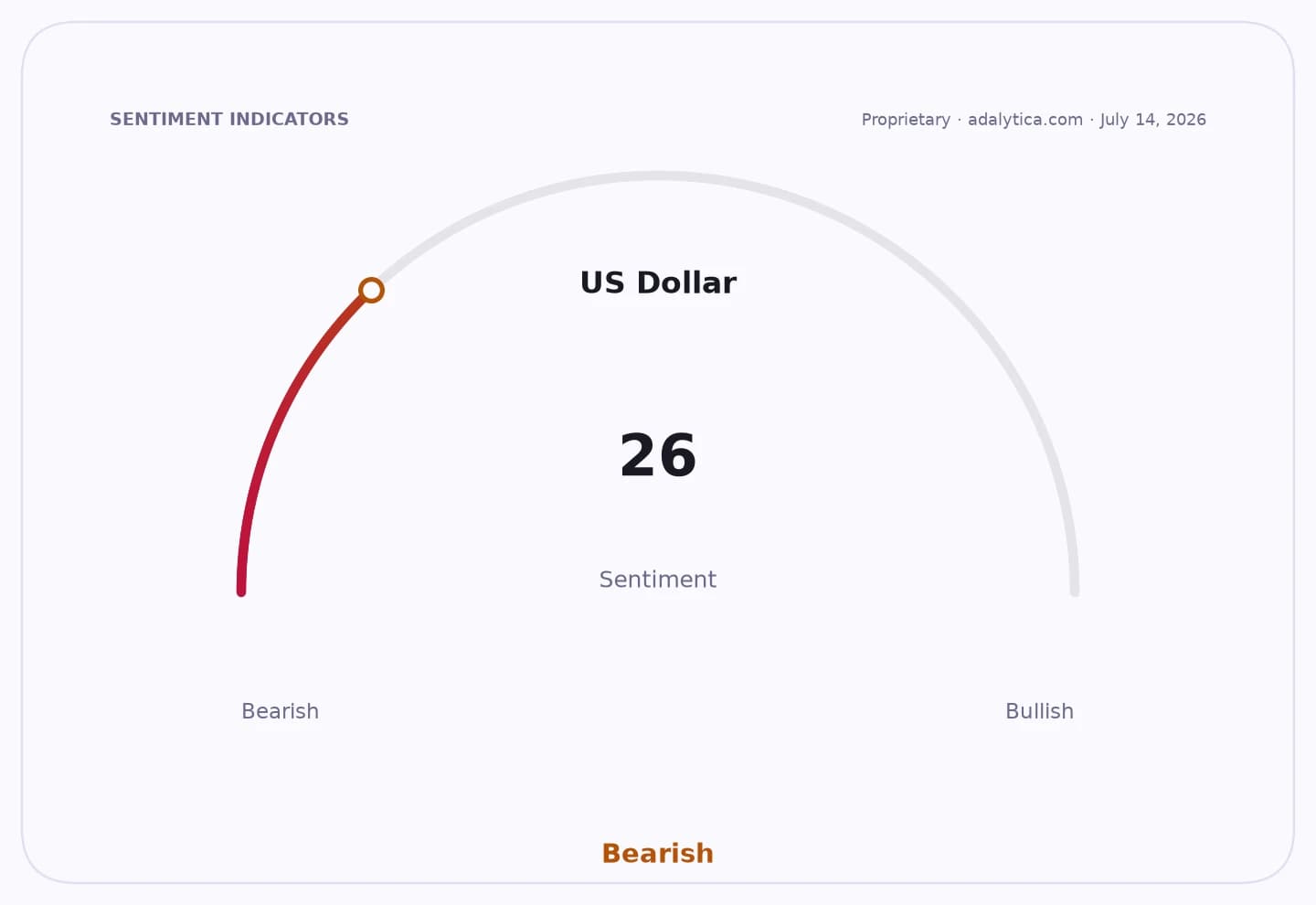
Sentiment IndicatorsⓘProprietary · adalytica.com · July 14, 2026
This is a snapshot — live sentiment, awareness and momentum for 130+ markets update continuously in the dashboard.Open AlphaPulse
For investors, the message is twofold: fiscal slippage remains a market issue, and tariff volatility is adding another layer of uncertainty to Treasury supply, yields and the dollar. The 10-year Treasury yield has been trading around 4.56%, while the US dollar gauge tracked by Adalytica shows fear readings and a sharp drop in 30-day sentiment, suggesting the market is already sensitive to any sign that deficits and trade policy could keep upward pressure on borrowing needs.
The broader backdrop points to a fiscal system still absorbing the aftereffects of aggressive trade levies and legal challenges to them. Customs refunds can reverse some of the revenue that tariffs were meant to deliver, but they also highlight how unpredictable trade policy can become once companies start filing claims and the government is forced to unwind prior collections.
That leaves policymakers heading into the next budget cycle with a harder choice: cut spending, raise revenue or accept a larger funding gap. Until that path is clearer, the deficit story is likely to remain a steady headwind for bonds and a reminder that tariff policy is now moving beyond trade into the Treasury market.
| Entity | Gains | Losses |
|---|---|---|
| Importers | ▲Cash refunds | ▼Tariff costs |
| US Treasury | ▲None | ▼Revenue shortfall |
| Bond investors | ▲Higher yield income | ▼Fiscal risk |
| Dollar bears | ▲Softer USD backdrop | ▼Stronger fiscal credibility |




