Tasmania Deficit Tops A$1.072 Billion Again
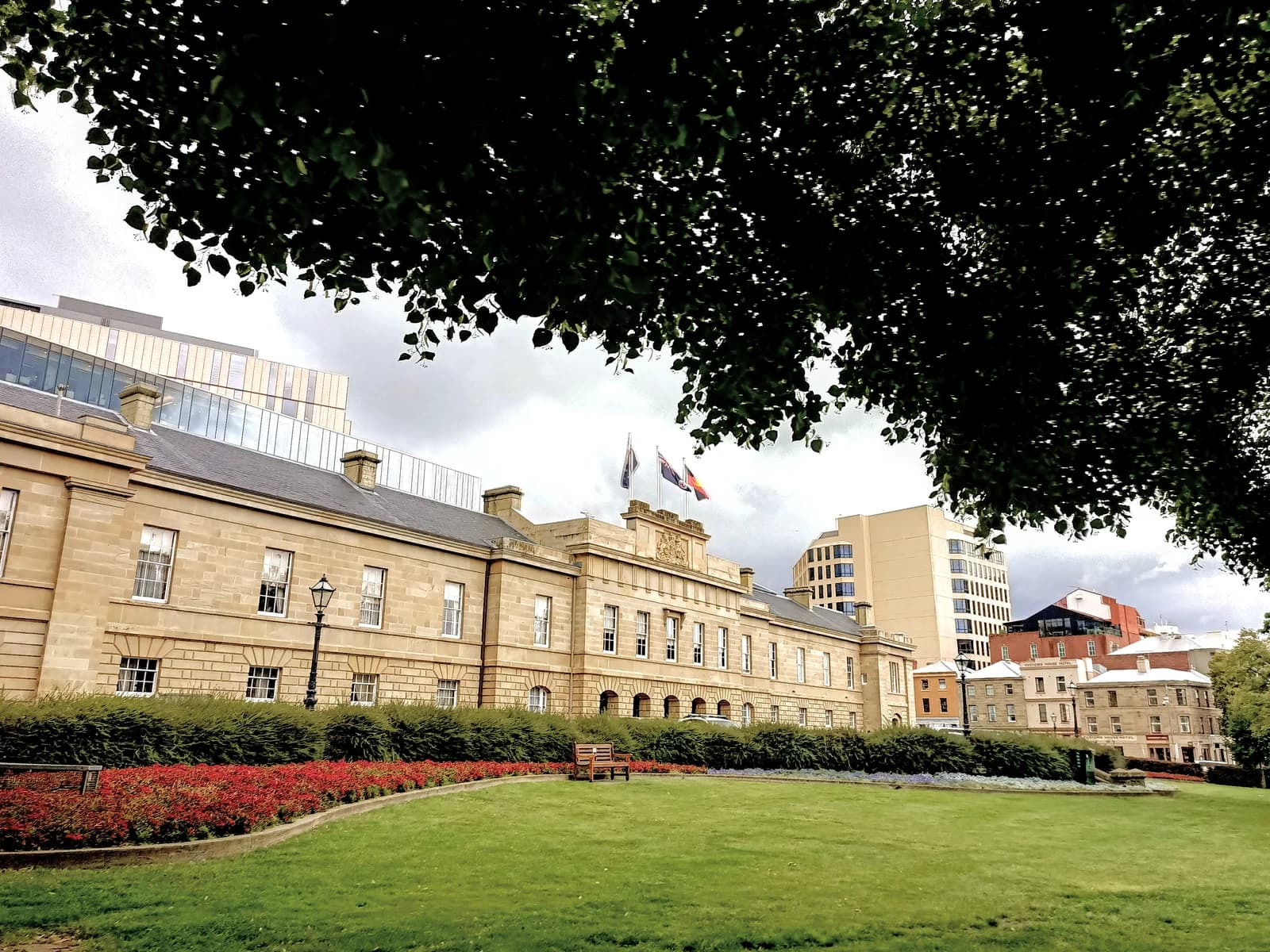
Tasmania’s government is facing a third straight annual deficit above A$1 billion, underscoring how weak finances are tightening the squeeze on a state already under pressure from higher borrowing costs and slower budget repair.
Treasurer Guy Barnett has claimed a budget win even as the state’s deficit widened to A$1.072 billion, a result that strengthens the opposition’s case that the books remain far from balanced. Shadow treasurer is demanding the statement be withdrawn, turning the numbers into a political fight over fiscal credibility as well as a dispute over accounting.
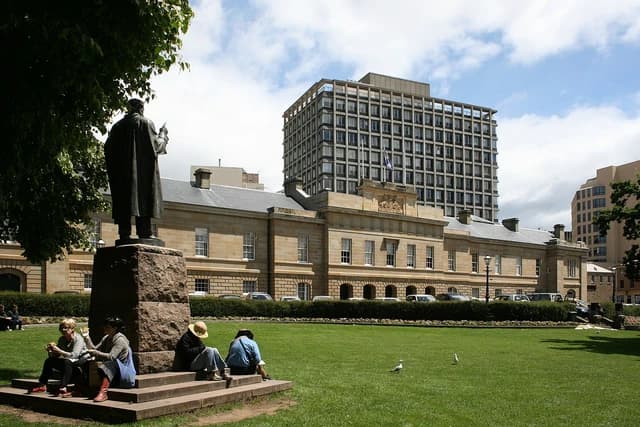
The size of the shortfall matters because it leaves Tasmania with less room to absorb rising interest costs, fund services and finance infrastructure without leaning more heavily on debt. For investors, persistent deficits in a small state economy can become a credit story quickly, especially when markets are already sensitive to government borrowing needs and broader fiscal discipline.
The latest result also lands against a backdrop of elevated global rates and tighter scrutiny of public finances, which makes repeated billion-dollar gaps harder to explain away as temporary. A weaker budget position can feed into higher funding costs over time, while also limiting the government’s ability to deliver new spending promises without offsetting cuts or revenue gains.
For the Tasmanian Liberals, the problem is political as much as financial: after three straight years of red ink above A$1 billion, claims of a budget breakthrough risk looking thin to voters and rating watchers alike. The next test will be whether the government can show a credible path back toward balance in the next fiscal update without deepening the row over spending and revenue assumptions.
| Entity | Gains | Losses |
|---|---|---|
| Tasmania Liberals | ▲Political cover if “win” narrative sticks | ▼Credibility as deficits stay above A$1B |
| Opposition/shadow treasurer | ▲Attack line on fiscal management | ▼Little if budget numbers are revised up |
| Bondholders/credit markets | ▲Higher chance of fiscal restraint later | ▼Greater debt-supply and funding-risk concerns |
| Tasmanian taxpayers | ▲Possible pressure for tighter spending | ▼Risk of weaker services or higher future taxes |