Tata Consumer Signals Fresh Food Inflation
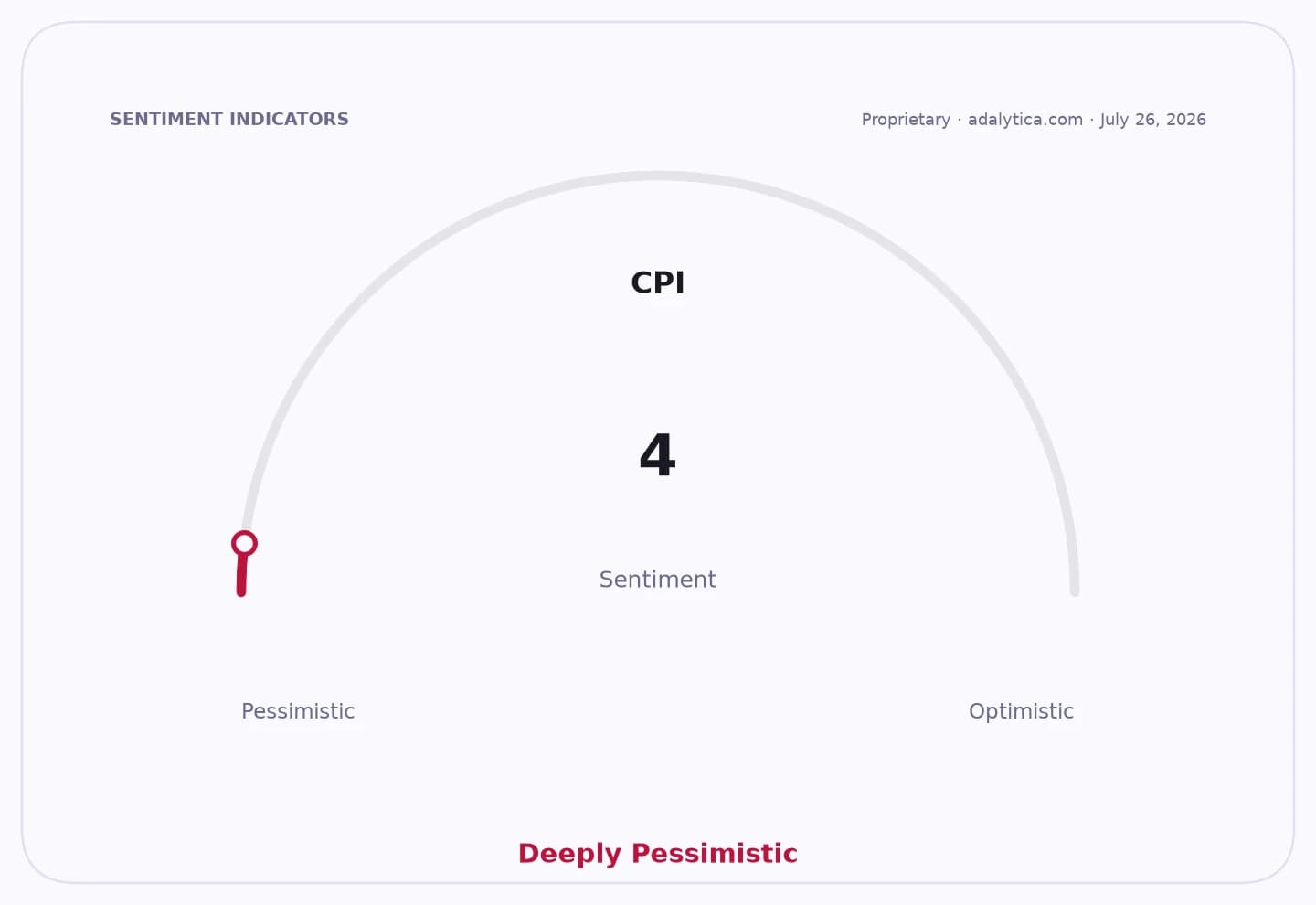
Tata Consumer Products’ warning that it may raise prices on staples such as salt, tea and pulses is the clearest sign yet that a fresh round of food inflation is building in India, with consumers likely to feel the squeeze within weeks.
The timing matters because the company sits at the centre of the household pantry, where even modest price changes quickly feed into daily spending. Higher input costs, a delayed monsoon and a still-fragile global supply chain are converging on a category where demand is relatively inelastic, giving manufacturers less room to absorb cost pressure. For households, that means a bigger share of monthly income going to essentials. For investors, it raises the risk that volume growth slows just as pricing helps revenue.

The broader macro backdrop is not supportive. Commodity inflation has remained sticky, with producer prices rising faster than consumer prices in recent months, a pattern that often precedes more visible retail pass-through. The data context shows US producer prices still climbing at an annualised pace while core consumer prices remain elevated, a reminder that upstream cost pressure has not disappeared even as headline inflation cools in some places. In food staples, the transmission is typically quicker because packaging, transport, agri inputs and procurement costs move first, while retail prices adjust later.
For Tata Consumer, the calculus is familiar: protect margins or risk losing them to higher raw-material costs. The company can partially offset inflation through price increases, product mix shifts and cost efficiencies, but those tools are limited when the entire basket is under pressure. Salt is a low-ticket, high-volume item; tea and pulses are household staples where consumers trade down easily if prices rise too quickly. That means the company may be able to pass on some of the cost increase, but not all of it, at least without denting demand.
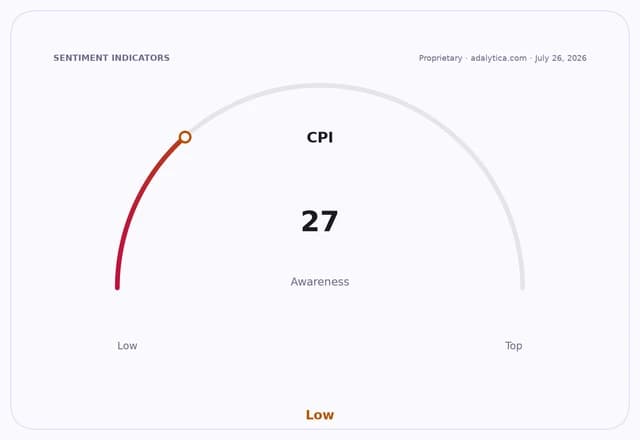
The investment implication is two-sided. In the near term, pricing action can support top-line growth and reassure investors that management is protecting profitability. But if inflation broadens, the market could begin to question the durability of consumer demand and the pace of recovery in rural purchasing power. Staples companies often look defensive in volatile markets, yet they are not immune when the inflation shock hits the kitchen table first.
What makes this episode important is that it is less about one company than about the next leg of India’s food-inflation cycle. If the monsoon stays uneven and commodity costs remain elevated, more packaged food and household brands may follow with price increases, reinforcing cost-of-living pressures across lower- and middle-income consumers. That would be a tailwind for nominal revenue at the sector level, but a headwind for real consumption and for companies dependent on volume growth.
Investors should watch how quickly competitors move, whether Tata Consumer chooses broad-based or selective hikes, and whether shoppers absorb the increases without meaningful downtrading. The next 15 to 30 days may show whether this is a temporary margin repair effort or the start of a wider repricing across India’s everyday essentials.
| Entity | Gains | Losses |
|---|---|---|
| Tata Consumer Products | ▲Margin relief from pricing | ▼Risk of slower volume growth |
| FMCG peers | ▲Chance to reprice products | ▼Exposure to demand weakness |
| Consumers | ▲Little immediate gain | ▼Higher household food bills |
| Commodity suppliers | ▲Better realization from cost pass-through | ▼Potential pushback if demand softens |