Households and small businesses are increasingly looking for ways to check outstanding tax debts and arrange installment payments as authorities tighten collection efforts and raise the cost of falling behind.
Tax Collection Tightening Supports Payment Software
That matters because the story is no longer just about tax compliance — it is about cash flow. As deadlines approach and enforcement becomes more aggressive, taxpayers facing arrears are being pushed toward structured repayment plans to avoid penalties, administrative action and, in some cases, asset seizures. The result is a shift from one-off settlement behavior to a more recurring, managed repayment model that can support government revenue recovery while softening immediate financial stress for borrowers.
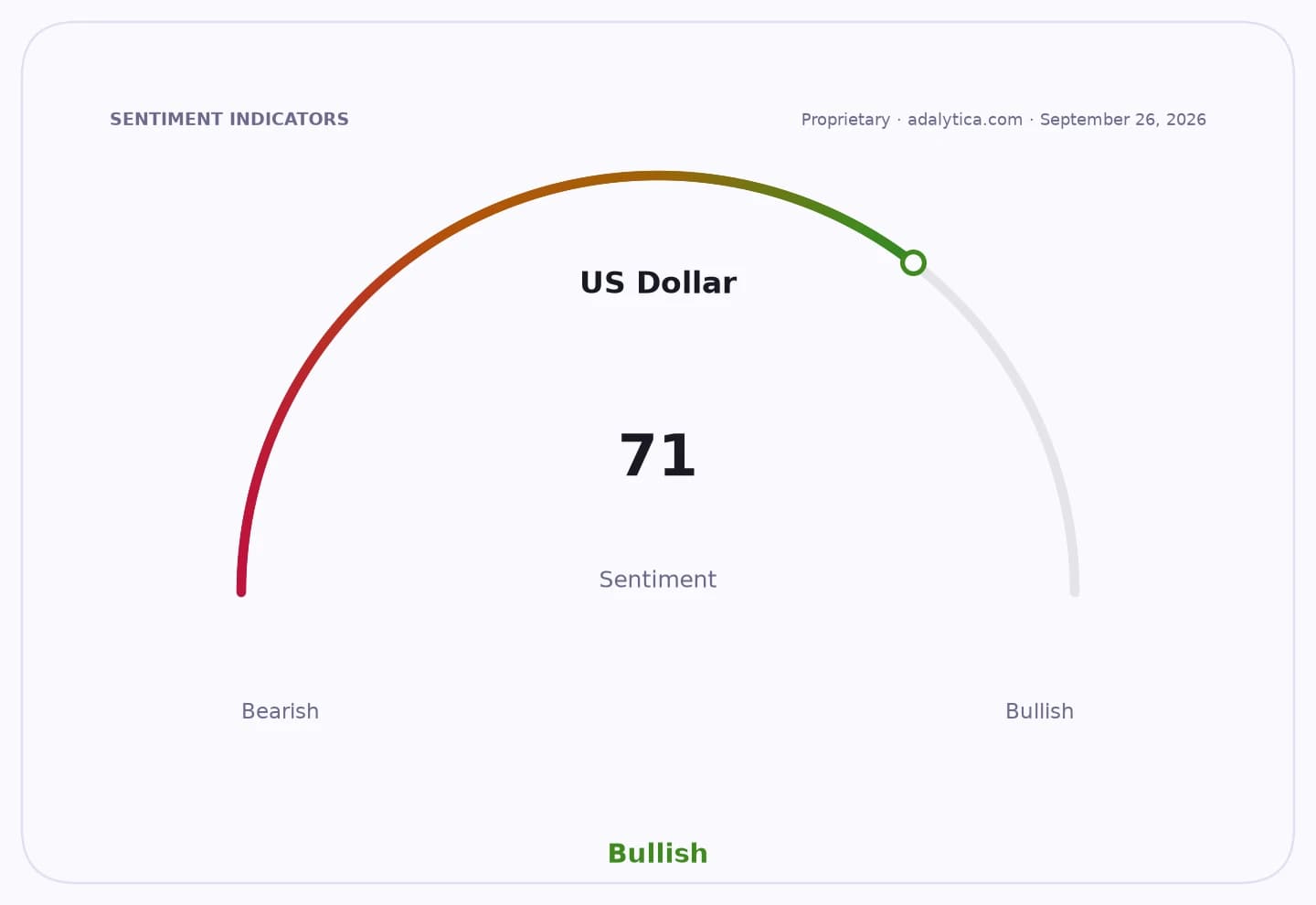
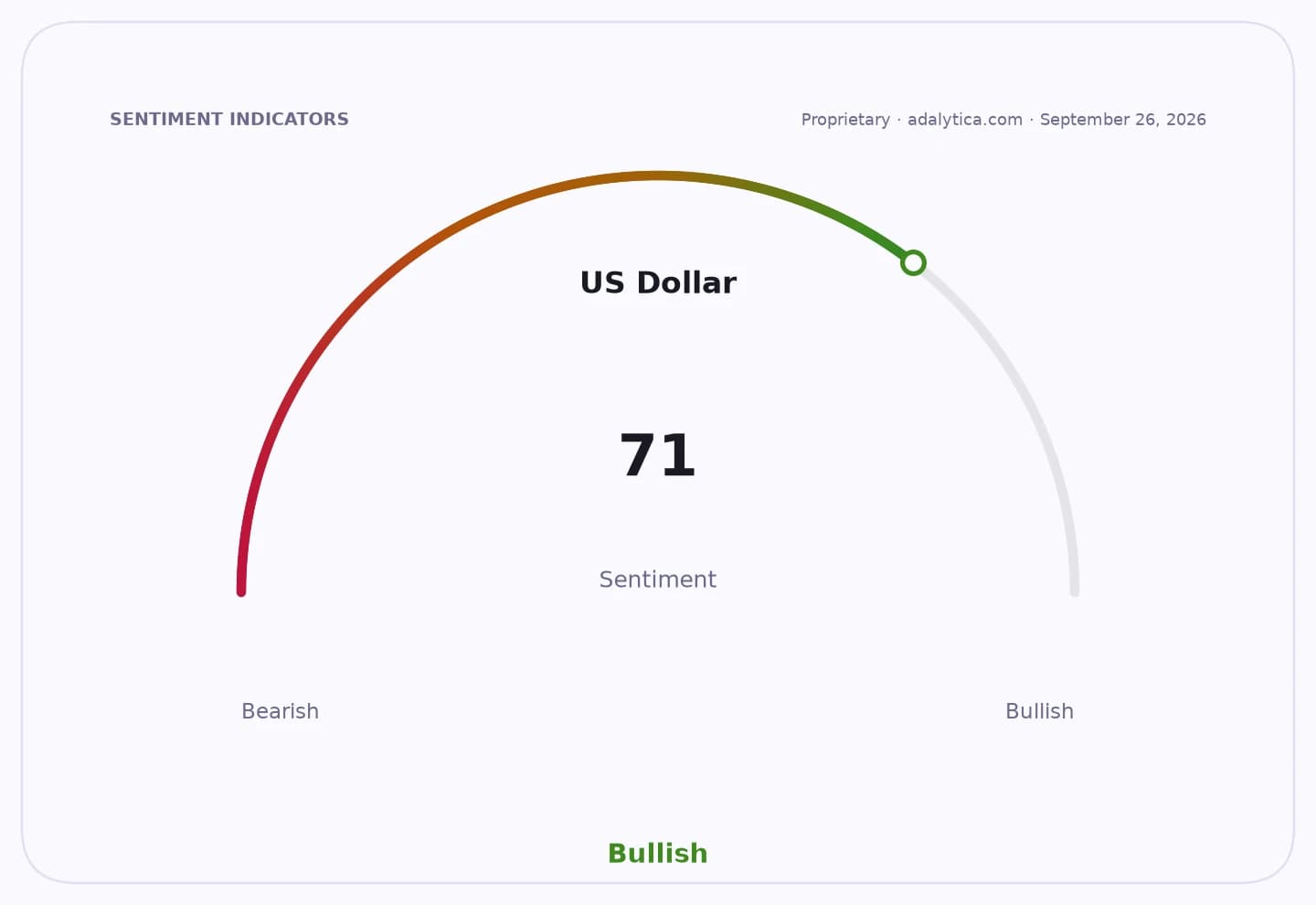
Sentiment IndicatorsⓘProprietary · adalytica.com · July 14, 2026
This is a snapshot — live sentiment, awareness and momentum for 130+ markets update continuously in the dashboard.Open AlphaPulse
The demand spike also reflects a broader squeeze on private balance sheets. Higher interest charges on overdue taxes make delay more expensive, so the incentive is to verify liabilities early and enter repayment programs before debts compound. For tax authorities, that is economically useful: installment arrangements can improve collection rates, reduce default and bring cash in faster than ad hoc enforcement, while still preserving the appearance of flexibility.
For investors, the significance lies in the downstream effect on tax software, payment processing and payroll-adjacent platforms, where consumers and business households may need more help navigating tax balances, repayment schedules and digital filing tools. That creates a modest but real support for companies such as Intuit, Paychex and Fiserv, which sit closer to the plumbing of tax preparation, small-business cash management and payments. It also comes at a time when financial markets are sensitive to signs of consumer strain: Adalytica’s S&P 500 trade signals show neutral sentiment, while the U.S. dollar indicator points to fear, a backdrop that suggests investors are already wary of pressure on discretionary cash flow and credit quality.
The market action in those names has been mixed, but the technical setup indicates traders are paying attention. Intuit’s shares have been deeply volatile and remain far below their 200-day moving average, even after a recent bounce, while Paychex has recovered to above its 200-day average and is showing stronger momentum on conventional indicators such as RSI and MACD. Fiserv, by contrast, is still trading well under its longer-term trend line, underscoring how uneven investor confidence remains across the payments and software complex.
The underlying narrative is straightforward: tighter tax enforcement is turning tax debt from a seasonal filing issue into a cash-management problem that households and smaller firms must confront earlier. That should keep demand elevated for online lookup tools, installment-plan guidance and payment workflows in 2026, but it also raises the risk that a larger population of taxpayers will enter the year already under strain. For investors, the key question is whether that strain becomes a drag on spending and credit or a tailwind for firms that help borrowers and businesses organize payments before the IRS or local authorities escalate collection.
| Entity | Gains | Losses |
|---|---|---|
| Taxpayers using installment plans | ▲Avoid penalties and seizures | ▼Higher interest and tighter budgets |
| Tax authorities | ▲Better recovery rates | ▼More administrative oversight burden |
| Intuit / Paychex / Fiserv | ▲More demand for tax and payment tools | ▼Exposure to stressed small-business finances |
| Longs in payment-software names | ▲Support from compliance demand | ▼Valuation risk if strain deepens |