Tech Stocks Rebound as Nasdaq, QQQ Rise
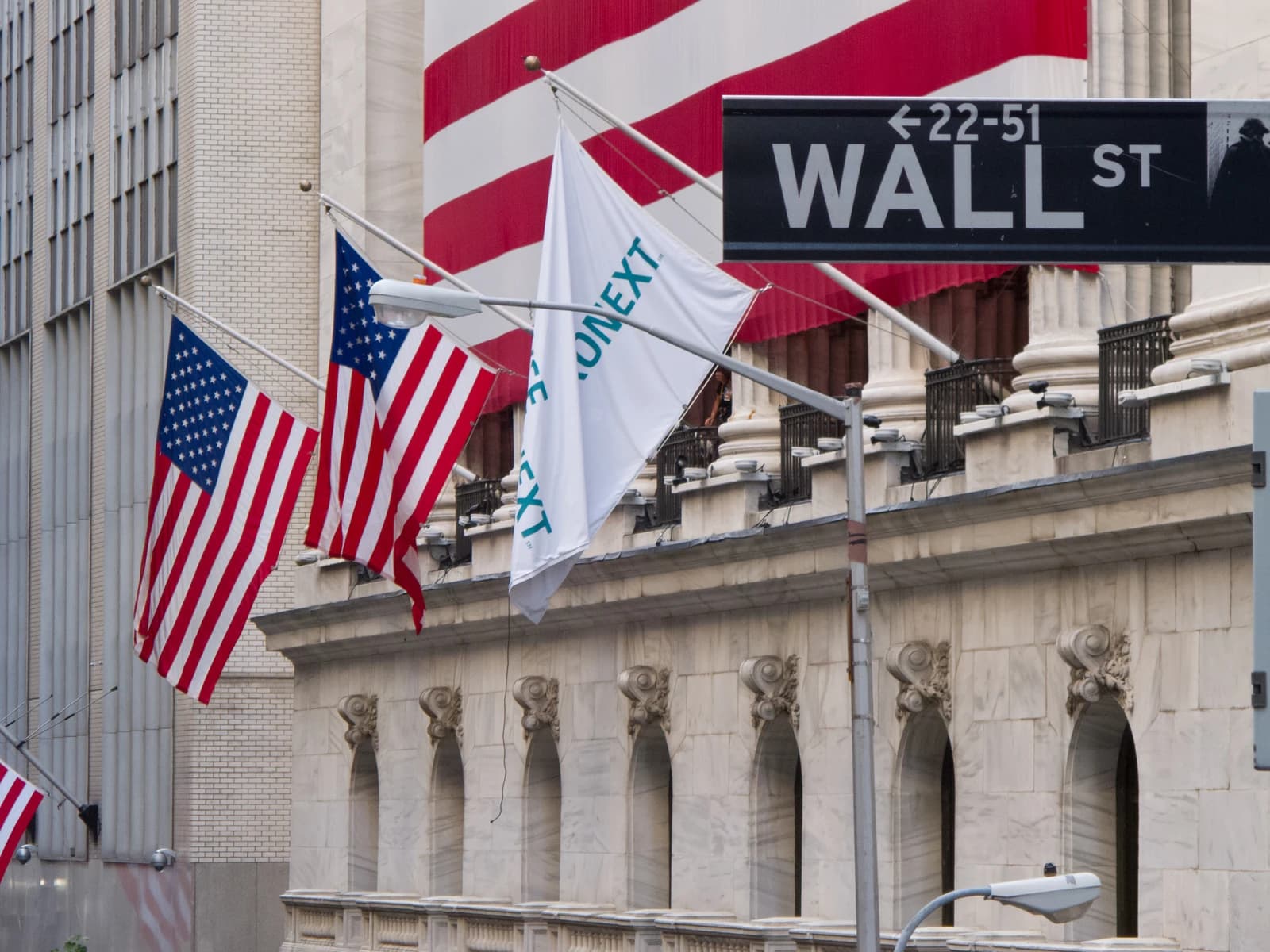
Wall Street climbed on Aug. 25 as investors returned to technology shares after a sharp pullback, lifting all three major US stock indexes and easing the pressure that had built around the market’s most crowded growth names.
The rebound mattered because tech has become the market’s main engine. When the Nasdaq and semiconductor shares weaken, the S&P 500 loses one of its biggest sources of upside, and broader risk appetite tends to deteriorate. Monday’s move suggested buyers were willing to step back in after recent volatility, helped by a modestly firmer backdrop for long-duration assets and a small further rise in Treasury yields that did not derail demand for equities.
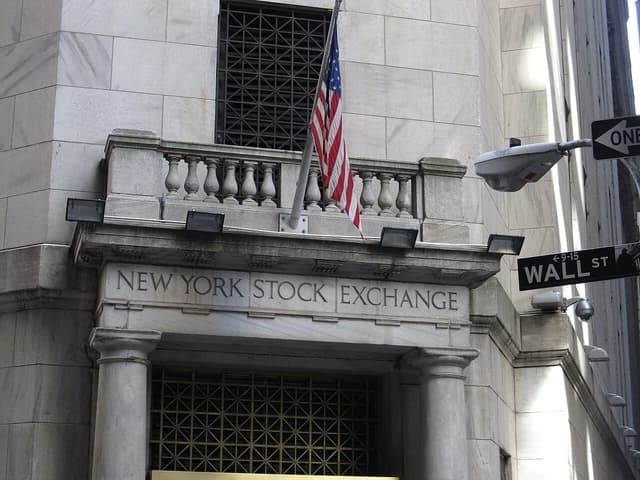
The Dow Jones Industrial Average rose 160.24 points, while the S&P 500 gained 24.38 points and the Nasdaq Composite advanced 171.11 points, according to market data cited in the session. That broad advance came after technology stocks recovered from the previous sell-off, with the Invesco QQQ Trust, a proxy for the Nasdaq-100, rising to 710.72 after briefly sliding to 706.32 the day before. The Technology Select Sector SPDR Fund, XLK, also bounced to 181.74 from 180.05, while the VanEck Semiconductor ETF, SMH, rebounded to 555.82 after the prior day’s drop to 546.80.
The move comes after a stretch in which investors have alternated between rewarding megacap tech earnings power and punishing the sector whenever yields climb or valuations look stretched. QQQ remains close to its 50-day moving average, while XLK is trading just under that same benchmark, suggesting the market has not abandoned the sector but is still treating each dip as a test of conviction. SMH’s recovery was more tentative, underscoring that chip stocks remain the market’s highest-beta expression of the AI trade and therefore the most vulnerable when sentiment turns.

Treasury market signals were consistent with a still-sensitive equity backdrop. The 10-year yield was forecast at 4.719% for Aug. 25, slightly above the prior close, while the closely watched 10-year/2-year spread held positive at 0.47 percentage point, a sign recession fears are not dominating the tape. But the bigger message for investors was that growth stocks could rally even without a clear decline in rates, as long as the broader macro picture does not worsen.
Adalytica’s US dollar trade signals pointed to extreme fear in the currency, while its Treasury bond signals also showed extreme fear, reflecting cross-asset uncertainty even as equities recovered. That divergence matters because it suggests the rebound in stocks was driven more by positioning and selective risk-taking than by a clean macro reset. Investors remain cautious, but the day’s trading showed a willingness to buy high-quality tech exposure when volatility eases.
For portfolio managers, the key question is whether Monday marked a tradable bounce or the start of a more durable re-rating. Bulls will argue that earnings growth, especially in large-cap software, cloud and AI infrastructure names, still justifies leadership. Bears will counter that the sector’s valuation premium leaves it exposed to any renewed rise in yields or disappointment in economic data. The next catalysts will be inflation releases, rate expectations and the ability of megacap technology to keep delivering earnings that outpace the rest of the market.
If tech can hold near current levels and semiconductors stabilize, the broader equity rally has room to broaden. If not, Monday’s advance may prove to be another short-lived respite in a market still dominated by rate sensitivity and concentration risk.
| Entity | Gains | Losses |
|---|---|---|
| Technology stocks | ▲Valuation support | ▼Recent sellers |
| Nasdaq / QQQ | ▲Leadership recovery | ▼Momentum shorts |
| Semiconductor stocks / SMH | ▲Rebound in risk appetite | ▼Volatility traders |
| Bond and FX havens | ▲Little repricing risk | ▼Further safety demand |