Tech Stocks Lead Global Markets as Oil Falls

World stock markets were thrown into disarray on Friday, but the bigger story for investors is that technology shares are once again doing the heavy lifting as fears over oil, inflation and higher rates cool.
That matters because tech and artificial intelligence remain the market’s most important growth engine. When investors regain confidence in AI demand, money tends to flow first into chipmakers and the broader technology complex, and that can change the tone for global equities far beyond a single session.
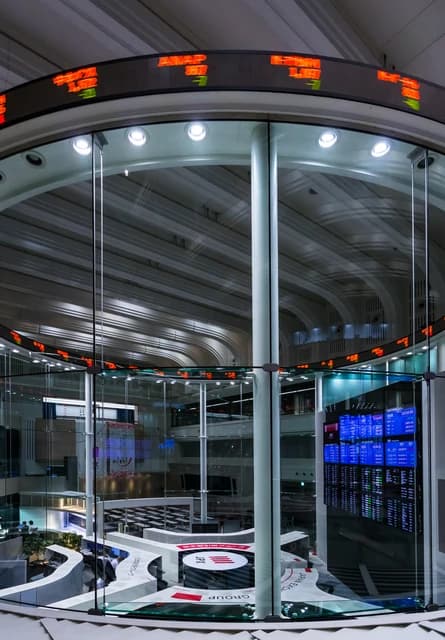
In Europe, the mood was still weak, with Paris, Frankfurt, London and Milan all down around 1% to 1.5% by midafternoon. But futures in New York pointed to a more mixed open, with the Nasdaq slightly higher while the Dow edged lower. That split says a lot about where capital wants to hide: not in the broad market, but in the companies most leveraged to AI spending and secular earnings growth.
The move back into tech came after a sharp reversal earlier in the week, when investors dumped AI-related names amid warnings from some industry executives about slowing development. Now, according to market commentary cited in the context, buyers are returning on renewed confidence in the demand outlook. Semiconductor stocks are the clearest beneficiaries because they sit at the center of the AI buildout, supplying the chips that power data centers, cloud infrastructure and machine-learning systems.

That showed up in Asia, where Advantest, Samsung Electronics and TSMC all advanced and helped lift the region’s key indexes. Europe is less exposed to tech overall, so the bounce there is more muted, but names like Infineon, ASML and STMicroelectronics are still participating. For long-term investors, that’s the real lesson: even when the macro backdrop is noisy, AI spending can keep creating relative winners inside an otherwise fragile market.
Cheaper oil is also helping. Brent fell below $104 a barrel, easing some inflation anxiety and reducing the pressure on central banks to stay hawkish. That matters because higher energy costs often squeeze consumer spending and corporate margins at the same time. A retreat in crude gives equity investors more room to focus on earnings rather than inflation shocks, even if the relief is only temporary.
The bond market is sending a different warning. The spread between French and German 10-year yields widened to 1 percentage point, its highest level since 2012, as investors questioned France’s fiscal path ahead of the 2027 budget and presidential election. That kind of divergence is a reminder that not all of Europe is moving in lockstep with the tech-led rebound. It also raises the cost of capital for governments and, indirectly, for companies that depend on a stable European financing backdrop.
Japan’s central bank added another twist by lifting its policy rate to 1.25%, the highest in 31 years, but the yen still weakened sharply. That tells investors the market is not yet convinced the Bank of Japan will tighten aggressively from here. Currency moves matter for multinationals and exporters, and a weaker yen can support Japanese equities even as it complicates the inflation picture.
For equity investors, the setup remains familiar: tech leadership can cushion the market when macro fears flare, but it also makes indexes more vulnerable if AI enthusiasm cools again. The Nasdaq 100, the tech-heavy XLK sector fund and the broader VGT technology ETF have all been volatile, but their long-term trend remains tied to the same secular story — AI adoption, cloud buildout and semiconductor demand.
Adalytica’s S&P 500 trade signals currently show fear, while the U.S. dollar flashes extreme greed. That combination usually points to a market where investors are still nervous, even as they crowd into defensive macro trades. In other words, the broad mood is shaky, but the capital is still there to chase the strongest long-term growth theme.
| Entity | Gains | Losses |
|---|---|---|
| Semiconductor makers | ▲AI demand rebound | ▼Volatility in rate fears |
| Tech-heavy indexes | ▲Leadership from megacaps | ▼Broader market breadth |
| Oil consumers | ▲Lower input costs | ▼Energy producers |
| French government bonds | ▲None | ▼Higher borrowing costs |