Telstra Outage Rekindles Geopolitical Infrastructure Risk
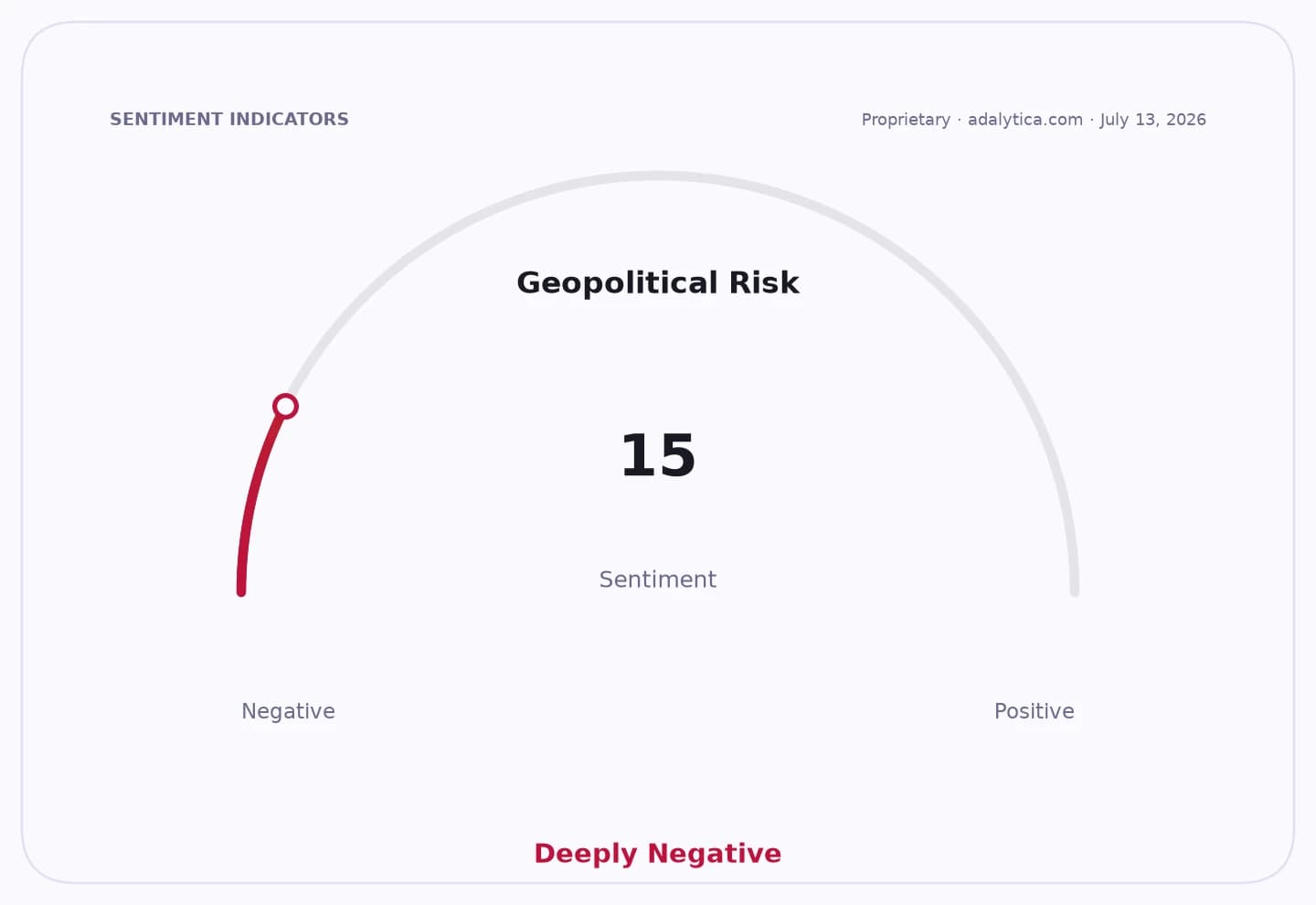
Australia’s biggest telecom stocks are being repriced not just on service reliability, but on geopolitical vulnerability, after a Telstra outage reignited speculation that Beijing-linked interference could be part of the country’s digital risk landscape.
That matters because telecom networks are no longer just utilities. They are critical national infrastructure, and when investors start linking outages to China paranoia, the market is pricing a higher risk premium into assets that sit at the intersection of cyber security, defence readiness and sovereign resilience. For Telstra, the immediate issue is trust. For the broader market, the bigger question is whether Australia’s exposed infrastructure, and the firms that depend on it, are ready for a far more hostile strategic environment.
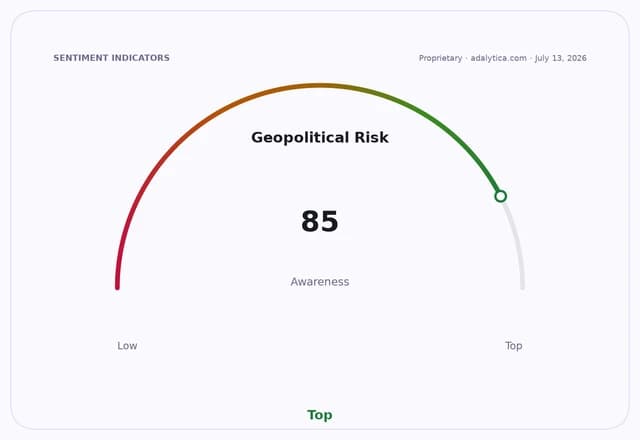
The outbreak of suspicion comes at a sensitive moment. Beijing has sharpened its posture across the Pacific, and China this week again rejected the South China Sea arbitration ruling, underscoring how little appetite it has for diplomatic restraint. That backdrop is feeding a broader reassessment of security risk across Australia, Japan and Southeast Asia, where investors are increasingly forced to think in terms of sabotage, cyber intrusion and state-linked disruption rather than traditional military confrontation alone.
The market has already started to reflect that tension. Telstra’s shares, while still well above their recent lows, remain below key longer-term reference points, with the stock trading under its 200-day moving average even after a recent recovery. That suggests investors are not yet paying up for a clean growth story; they are balancing defensive cash flow against headline risk. China-linked internet and platform giant Tencent has also been volatile, while Alibaba has lost ground sharply from its highs, reminding investors that geopolitical friction can hit both sides of the trade — the infrastructure exposed to disruption and the Chinese equities caught in the crossfire.
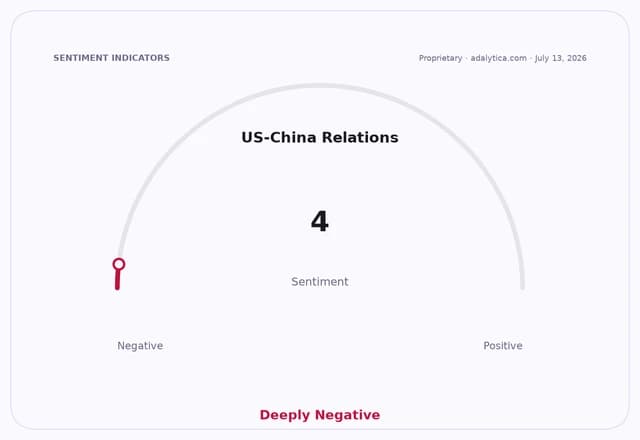
What the market underestimates is the second-order beneficiary trade. If paranoia about Chinese interference keeps rising, the winners are not just the obvious defence contractors. The real leverage sits with cyber security vendors, network hardening specialists, secure communications providers, data-sovereignty software names and domestic telecom infrastructure plays that can sell resilience as a premium service. In a world where one outage can trigger a national security debate, resilience becomes pricing power.
That is why this story matters beyond a single Telstra incident. It is a reminder that geopolitical risk is migrating from war rooms into corporate balance sheets and equity valuations. Every new flare-up in the South China Sea, every cyber allegation, every infrastructure disruption pushes capital toward firms that can prove they protect data, connectivity and operational continuity.
For investors, the play is not to chase the fear trade blindly, but to position early in the picks-and-shovels of digital defence and sovereign infrastructure. Telstra may be the headline, but the bigger opportunity is in the companies that make outages harder, attribution clearer and networks harder to penetrate.
| Entity | Gains | Losses |
|---|---|---|
| Cyber security vendors | ▲Higher demand | ▼None in this shock |
| Telstra | ▲Defensive utility status | ▼Trust and valuation multiple |
| China-linked equities | ▲Attention only | ▼Geopolitical discount |
| Defence and resilient infrastructure plays | ▲Capital inflows | ▼If tensions ease |