Tesla adds up to 300 Cybercabs in Austin
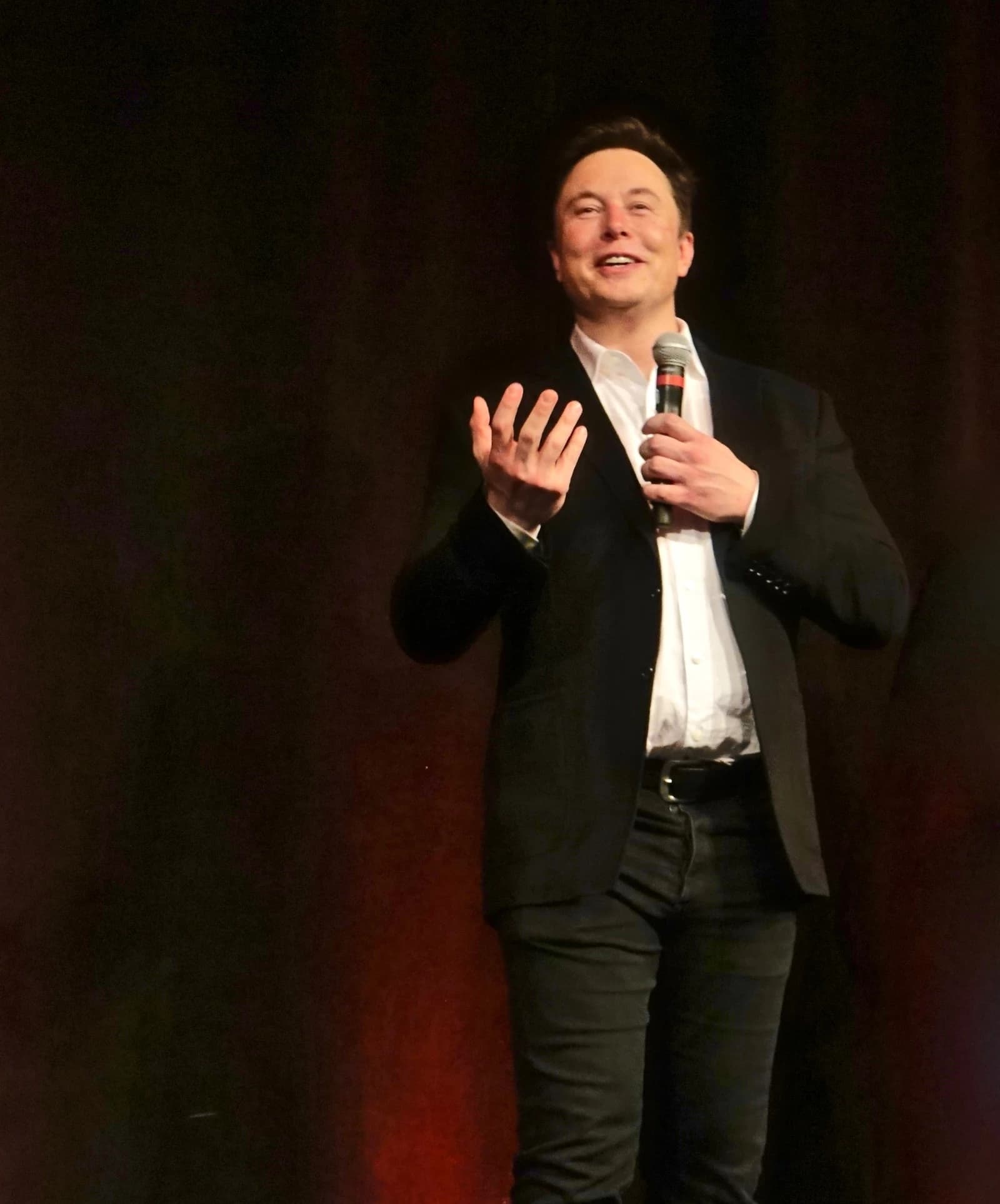
Tesla’s move to add as many as 300 Cybercabs in Austin over the next month is the clearest sign yet that Elon Musk is shifting from caution to scale in robotaxis, and that matters because the market is still underpricing how quickly autonomy can become a real revenue line.
Investor Gene Munster’s read that Musk is exiting his “paranoid” phase after years of accident sensitivity is not just colorful commentary. It speaks to a bigger change in Tesla’s operating posture: the company appears willing to push harder on deployment even as crash reports continue to stack up and regulators keep watching. Tesla has filed 15 reported robotaxi incidents in Austin since the service launched in June 2025, including five additional crash reports in January and another in February, while unredacted NHTSA documents showed two supervised Tesla robotaxis were involved in incidents in the city. That is the risk profile investors have to weigh against the prize: a service that can be scaled once the software, supervision and regulatory playbook are proven.
The economics are straightforward. Robotaxis are not just another feature for Tesla; they are the bridge to a much higher-margin transportation network that could turn the company from a vehicle seller into a mobility platform. If Tesla can keep adding Cybercabs in Austin and then move to other markets such as Nevada, the installed base could become a recurring-revenue machine with operating leverage that is hard to model with traditional auto metrics. That is why the launch matters beyond the headline. It is an early signal that Tesla may be entering the commercialization phase of its autonomy thesis, not merely another demo cycle.
The stock has already been volatile, and the technical picture shows a market still trying to decide how much of this story to believe. Tesla’s shares were recently trading below the 200-day moving average, even as the 50-day line has started to stabilize, while RSI readings have bounced from oversold territory to the mid-50s. In plain English, the name is no longer washed out, but it is not priced for a full autonomy breakout either. That keeps the setup asymmetric if Musk keeps pressing the rollout and the incident rate does not derail approvals.
Munster’s call also highlights a deeper investor problem: the market keeps treating Tesla like a car company with a software option attached, when the more valuable version is a transportation infrastructure player with AI at the center. The launch of the Cybercab in Austin, paired with Musk’s talk of a “golden era” for transport and plans to expand Tesla’s Austin workforce, suggests the company is building around that second identity. If that thesis gains traction, the beneficiaries extend well beyond Tesla itself.
Nvidia stands out as a second-order winner. Every increase in autonomous fleet ambition implies more demand for the compute, inference and training hardware that underpins robotaxis, making AI infrastructure the obvious picks-and-shovels trade. For investors, the key is not whether Tesla solves autonomy overnight; it is whether Austin becomes the start of a repeatable deployment model. If it does, the next leg of value creation could come fast, and the market may still be too cautious. The actionable takeaway: own the autonomy stack early, with Tesla as the high-beta headline and Nvidia as the cleaner infrastructure expression.
| Entity | Gains | Losses |
|---|---|---|
| Tesla | ▲Robotaxi scale narrative | ▼Safety skeptics |
| Elon Musk | ▲More aggressive growth profile | ▼Caution-driven critics |
| Nvidia | ▲More AI compute demand | ▼Auto-only valuation frameworks |
| Waymo | ▲Validation for robotaxi market | ▼Tesla’s scale advantage |