Tesla rises on Cybercab Austin rollout

Tesla’s latest jump is a reminder that the market is still willing to pay up for autonomy promises, but the real test is whether Cybercab can move from influencer spectacle to repeatable revenue.
Shares rose to 376.37 on Sept. 3 after Elon Musk said Tesla would soon “flood Austin” with its new Cybercabs, sending the stock back toward a technical breakout just below the 50-day moving average and above the 200-day line. The move matters because Tesla is no longer being valued only as a carmaker; investors are once again assigning a premium to the possibility that robotaxis become a scalable transportation network rather than a demo.
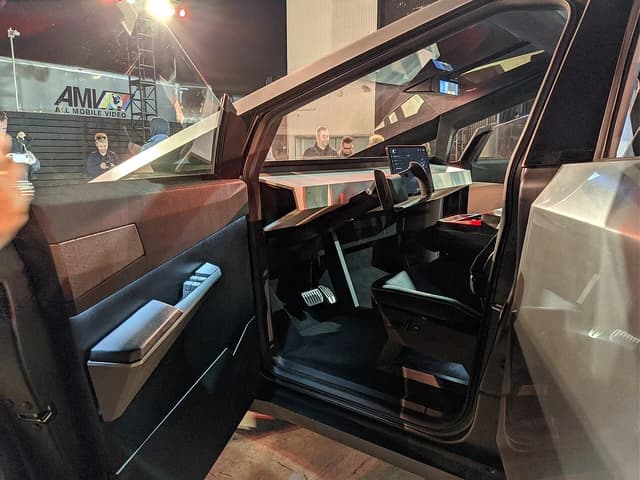
That distinction is what separates a short-lived hype cycle from a genuine re-rating. Tesla’s model has always relied on optionality, but the market underestimates how much that optionality can still dominate price action when autonomy headlines hit. With RSI readings in the low 60s and MACD turning positive, the stock has room to extend if traders believe the Austin rollout is the first real proof point for a fleet that can expand beyond Tesla’s core EV business.
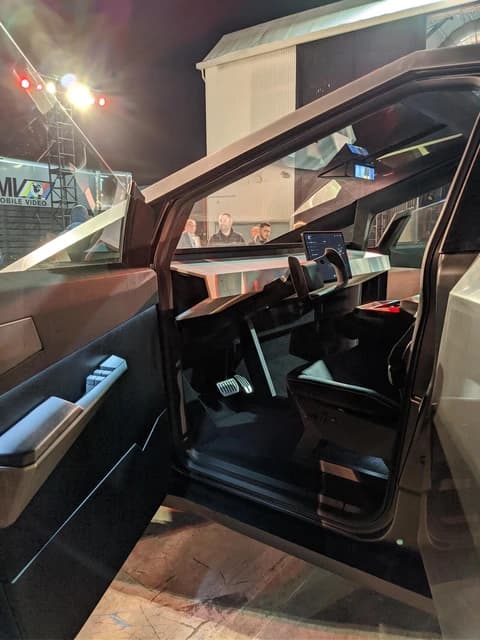
The broader investment case is not about one event in Texas. It is about the capital-flow implications of a company trying to turn software, fleet management and manufacturing scale into a new margin structure. If Tesla can deploy driverless vehicles without steering wheels or pedals, the upside is not just more rides; it is a potentially higher-value recurring revenue stream layered on top of an already massive installed base. That is why the market keeps rewarding Musk’s most aggressive claims, even when execution risk remains high.
The challenge, of course, is that Waymo and other autonomous rivals have already shown how slow this market can be. Regulatory scrutiny, safety incidents and the difficulty of scaling a fully autonomous network all remain real constraints. But Tesla does not need to win the entire market to justify enthusiasm. It only needs to convince investors that the Cybercab is not a one-off reveal, but the first step in a multiyear commercialization cycle that can change how the stock is priced.
For investors, the setup is classic Tesla: high headline risk, high volatility and high upside if the company turns narrative into deployment. The opportunity is not to chase every influencer-fueled spike, but to own the picks-and-shovels around the autonomy buildout — the software ecosystem, charging infrastructure and manufacturing suppliers that benefit if Tesla keeps pushing into robotaxi scale. If Austin proves the concept, the market may have to start pricing Tesla less like an EV maker and more like a mobility platform with exponential upside.
| Entity | Gains | Losses |
|---|---|---|
| Tesla bulls | ▲Valuation premium | ▼Skepticism on execution |
| Tesla bears | ▲Volatility | ▼Short squeeze risk |
| Waymo and peers | ▲Industry validation | ▼Narrative momentum |
| Suppliers and infrastructure plays | ▲Autonomy capex | ▼If rollout stalls |