Tesla Cybercab faces NHTSA certification review
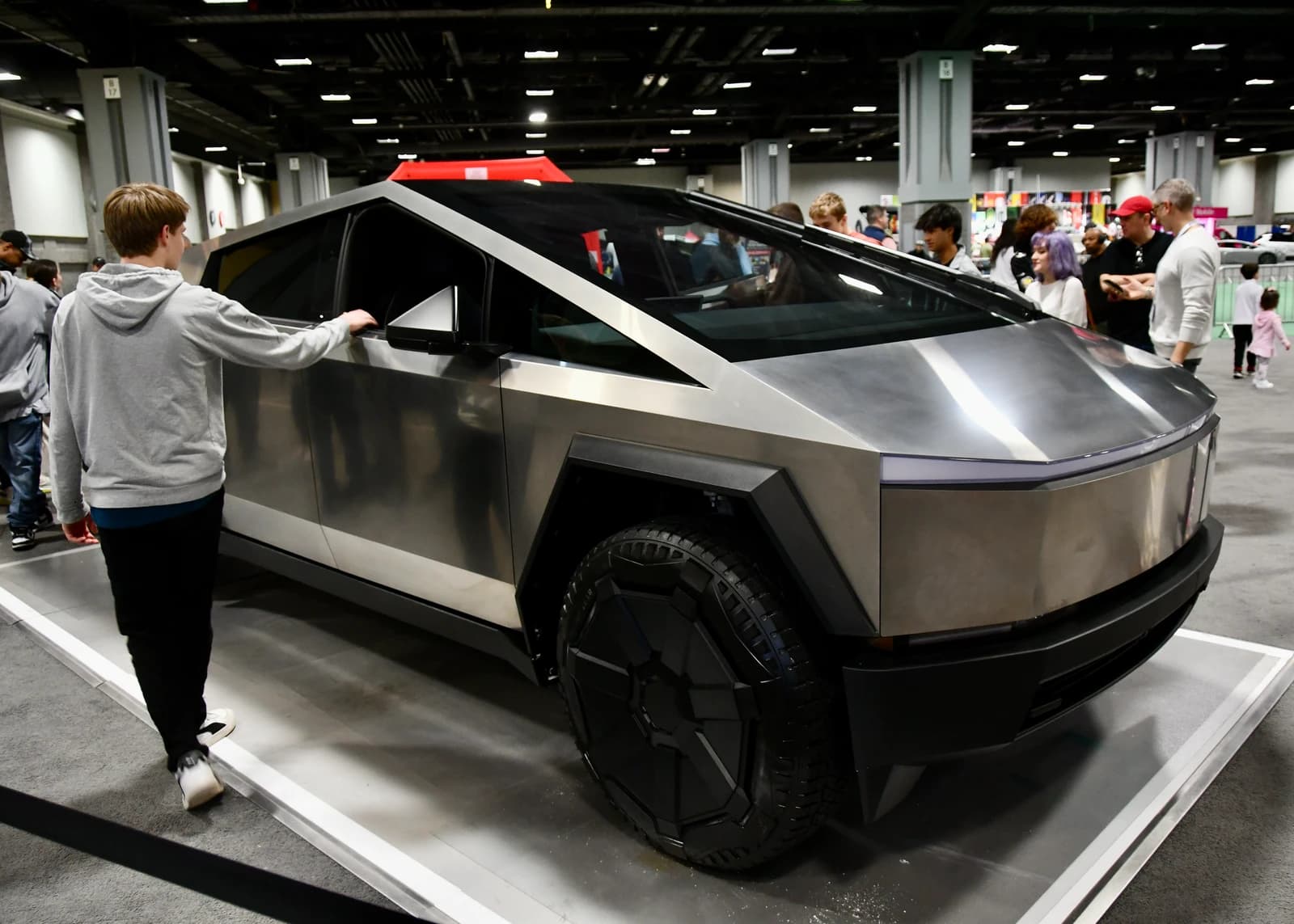
Tesla’s plan to sell a steering-wheel-free Cybercab has run straight into the legal limits of U.S. vehicle regulation, forcing the company to justify how a car with no pedals, mirrors or manual controls can be certified for public roads.
The National Highway Traffic Safety Administration’s special order is significant because it goes to the heart of Tesla’s autonomy strategy: whether the Cybercab is a compliant production vehicle or a prototype that still needs an exemption before it can be sold. Under federal law, automakers can self-certify compliance with Federal Motor Vehicle Safety Standards, but NHTSA is now demanding Tesla show, line by line, how the Cybercab meets rules written around a human driver.
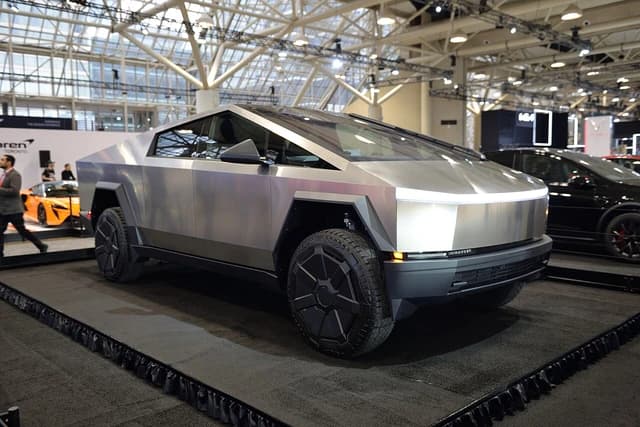
That matters economically because Tesla has tied a growing share of its valuation narrative to physical AI — autonomous ride-hailing, robotaxis and eventually humanoid robots — at a time when its core electric-vehicle business faces slower growth and sharper competition. If the Cybercab cannot be lawfully sold without a federal exemption, Tesla’s timeline for monetizing autonomy may stretch out, delaying a business that investors have increasingly treated as a future earnings engine rather than a science project.
The request also raises a practical question that could reverberate beyond Tesla: whether a vehicle designed to operate entirely without human controls can enter the market through standard certification at all. NHTSA said in the past that vehicles “solely operated by an ADS,” or automated driving system, would likely need an exemption under Part 555 before being lawfully sold. That path has precedent — Amazon-backed Zoox pursued the safety case first, then obtained the necessary approvals — but it is slower, more document-heavy and far less certain than Tesla’s usual go-it-alone approach.
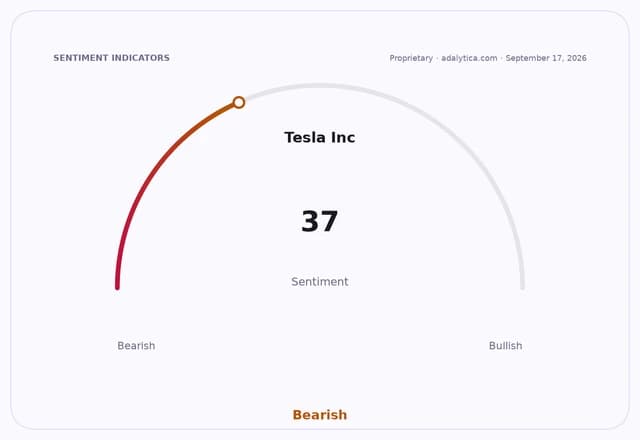
Investors will focus on two risks. First, the immediate regulatory one: Tesla must respond by Sept. 30 or face penalties, and NHTSA is specifically asking whether the company relied on temporarily installed steering wheels or pedals during certification before removing them, which could violate federal law. Second, the strategic one: if the Cybercab cannot be sold as planned, Tesla may be forced to lean more heavily on a robotaxi model that depends on state and local approvals, operational permits and a safety case regulators have not yet fully accepted.
Tesla shares have already been volatile around autonomy headlines, and the stock’s broader picture reflects a market still willing to value the company on optionality but increasingly sensitive to execution risk. The latest regulatory challenge adds to that tension: bulls can still argue that Tesla’s scale, software stack and data advantage make it the best-positioned player in autonomous transport, while bears will say the company keeps promising consumer-ready autonomy before the legal and technical foundations are in place.
For now, the key issue is not whether Tesla can build the Cybercab, but whether it can convince regulators that the vehicle can be sold at all. The answer will shape not just the robotaxi rollout, but how quickly Tesla can turn autonomy from a long-dated promise into a revenue stream.
| Entity | Gains | Losses |
|---|---|---|
| Tesla bulls | ▲Long-term autonomy thesis | ▼Near-term regulatory clarity |
| Tesla bears | ▲Delay in Cybercab monetization | ▼Upside from robotaxi option |
| NHTSA / regulators | ▲Enforcement leverage | ▼Pressure to approve quickly |
| Potential rivals like Zoox | ▲Safer, clearer approval path | ▼Less urgency for Tesla to scale |