Tesla Cybercab Launch Trails Waymo in Robotaxis
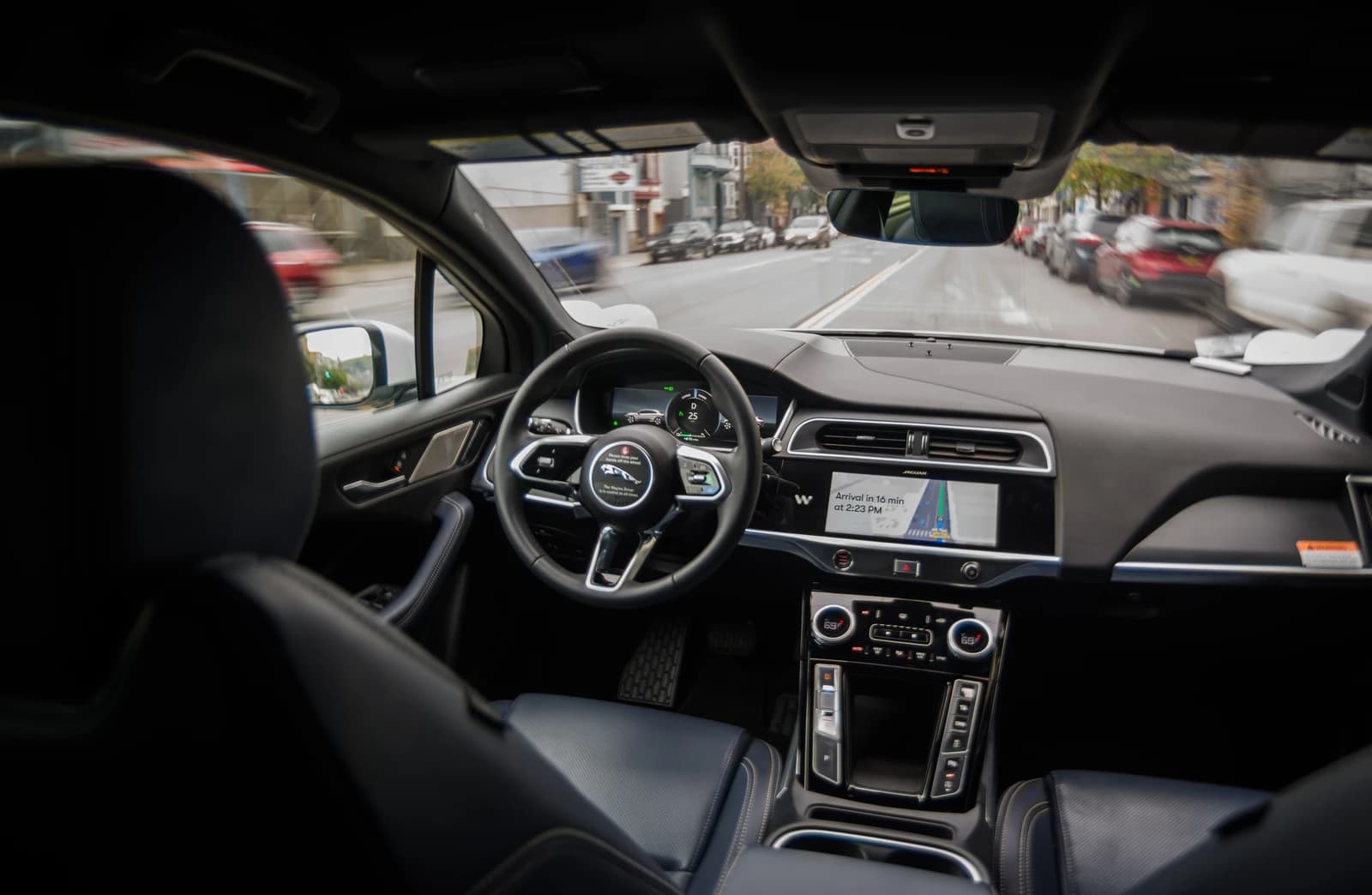
Tesla has finally put its Cybercab on the road in Austin, but the bigger investment story is that Alphabet’s Waymo remains the clear front-runner in a market that could reshape transportation, software and the long-term value of both companies.
That matters because robotaxis are not just another auto feature. For Tesla, they are central to the bull case: a future where the company is valued less like a carmaker and more like a high-margin autonomous mobility platform. For Alphabet, Waymo is one of the few credible ways its “Other Bets” portfolio can turn into a real business instead of a perpetual expense line. Whoever scales first and safest could control one of the most attractive service markets in the next decade.
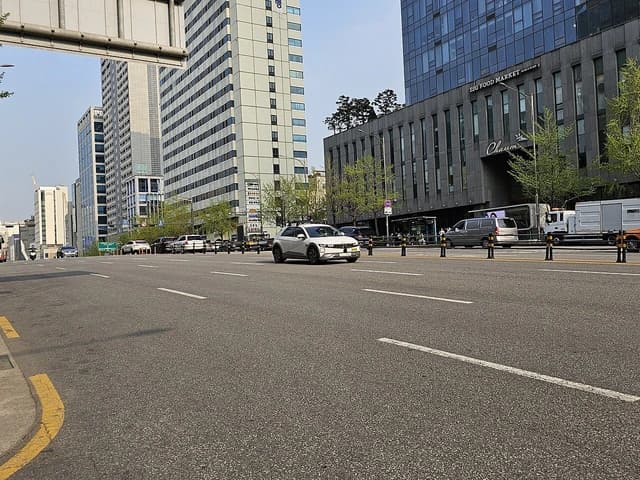
Tesla’s launch is important, but it is also being watched closely by regulators. The National Highway Traffic Safety Administration said it is in contact with Tesla and reviewing the Austin rollout. That scrutiny is no surprise. The Cybercab is a two-seat vehicle with no steering wheel or pedals, which means Tesla is pushing against some of the toughest federal and state rules in autonomous driving. In California, the company still lacks permission to operate a robotaxi service or test fully driverless vehicles without a safety driver.
The first Austin rides may be a milestone, but they are still tiny next to Waymo’s scale. Tesla says it has logged more than 380,000 miles of unsupervised robotaxi operation across six cities in two states, with seven U.S. metro areas now included in the rollout. Waymo, by contrast, said in March it was already delivering as many as 500,000 paid rides a week, up 100% from a year earlier, and had accumulated about 220 million driverless miles by then. Waymo is now active in 14 cities after recent expansions into Denver, San Diego and Tampa.
For investors, that gap matters more than the headline launch. Robotaxi businesses are likely to reward the company that can prove reliability, navigate regulation and turn usage into durable cash flow. Tesla’s advantage is its lower-cost camera-only approach and the possibility of rapid manufacturing scale if the system works. Its weakness is that the economics are still unproven, and the company is spending heavily to get there. Tesla said it generated $28.2 billion in revenue in the second quarter, but free cash flow was negative $1.1 billion as capital spending rose, and management expects more than $25 billion in investments this year, much of it tied to robotaxis and related infrastructure.
Alphabet’s Waymo also has a long way to go before it becomes a meaningful earnings contributor. Alphabet’s “Other Bets” unit lost $3.9 billion in the first half of 2026 on just $793 million of revenue. Still, Waymo’s lead in paid rides, miles driven and city count gives it something Tesla does not yet have: evidence that consumers will repeatedly use the product and pay for it.
That is why the narrative here is not simply Tesla versus Alphabet, but speed versus scale, and ambition versus execution. Tesla’s stock still leans heavily on the promise that autonomy will justify its premium valuation, especially as the traditional EV business faces intense competition. Alphabet, meanwhile, has the benefit of patience: Waymo does not need to be a headline-grabbing moonshot as long as it keeps expanding methodically.
The next phase will be less about first rides and more about who can win trust, satisfy regulators and convert driverless miles into profits. For long-term investors, that means Tesla remains the more explosive but riskier bet, while Alphabet offers the steadier path. If you own both, you are essentially betting on the same secular trend from two very different angles — and that’s exactly why robotaxis are worth watching for years, not weeks.
| Entity | Gains | Losses |
|---|---|---|
| Tesla shareholders | ▲upside from autonomy hype | ▼regulatory and execution risk |
| Alphabet/Waymo | ▲scale and paid-rides lead | ▼capital-heavy losses |
| Consumers | ▲more mobility options | ▼safety uncertainty |
| Traditional rideshare rivals | ▲pressure to adapt | ▼market share from driverless fleets |