Tesla crash raises FSD safety and disclosure concerns
Tesla is under fresh fire after a fatal highway crash involving a Model 3 with Autopilot and Full Self-Driving engaged revived questions about whether the company has been transparent enough about the risks of its driver-assistance software, a reputational blow that could hit regulation, litigation and the long-term economics of its software ambitions.
The immediate market significance is not just the accident itself. It is the combination of a death, a claim that Tesla concealed information, and a broader safety crackdown that puts one of the company’s highest-margin growth stories — autonomous driving — back under a microscope. If regulators or courts conclude Tesla withheld material crash data, the cost could extend well beyond fines and settlements to delayed approvals, tighter oversight and a slower path to monetizing FSD at scale.
That matters because Tesla’s valuation still leans heavily on the idea that its vehicles are more than cars: they are rolling software platforms with recurring revenue potential. Any erosion in trust around safety data weakens that narrative. It also gives competitors and regulators ammunition at a time when the autonomous vehicle industry is trying to move from pilot programs to commercial deployment.
The pressure comes as Tesla has already been forced to recall nearly 3 million vehicles worldwide over a defect involving emergency handles, another reminder that hardware design and software control are now inseparable in the company’s risk profile. In market terms, the story is no longer just about a single crash. It is about whether Tesla can keep convincing drivers, regulators and investors that its autonomy stack is ready for prime time.
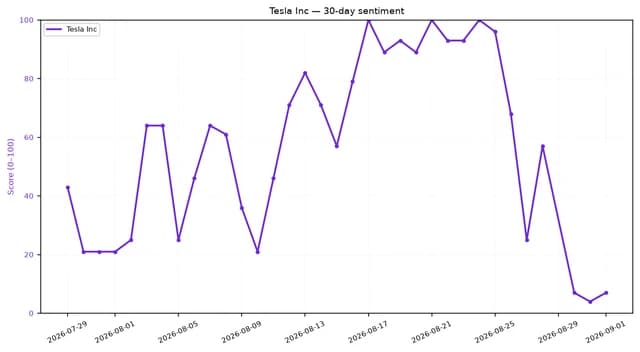
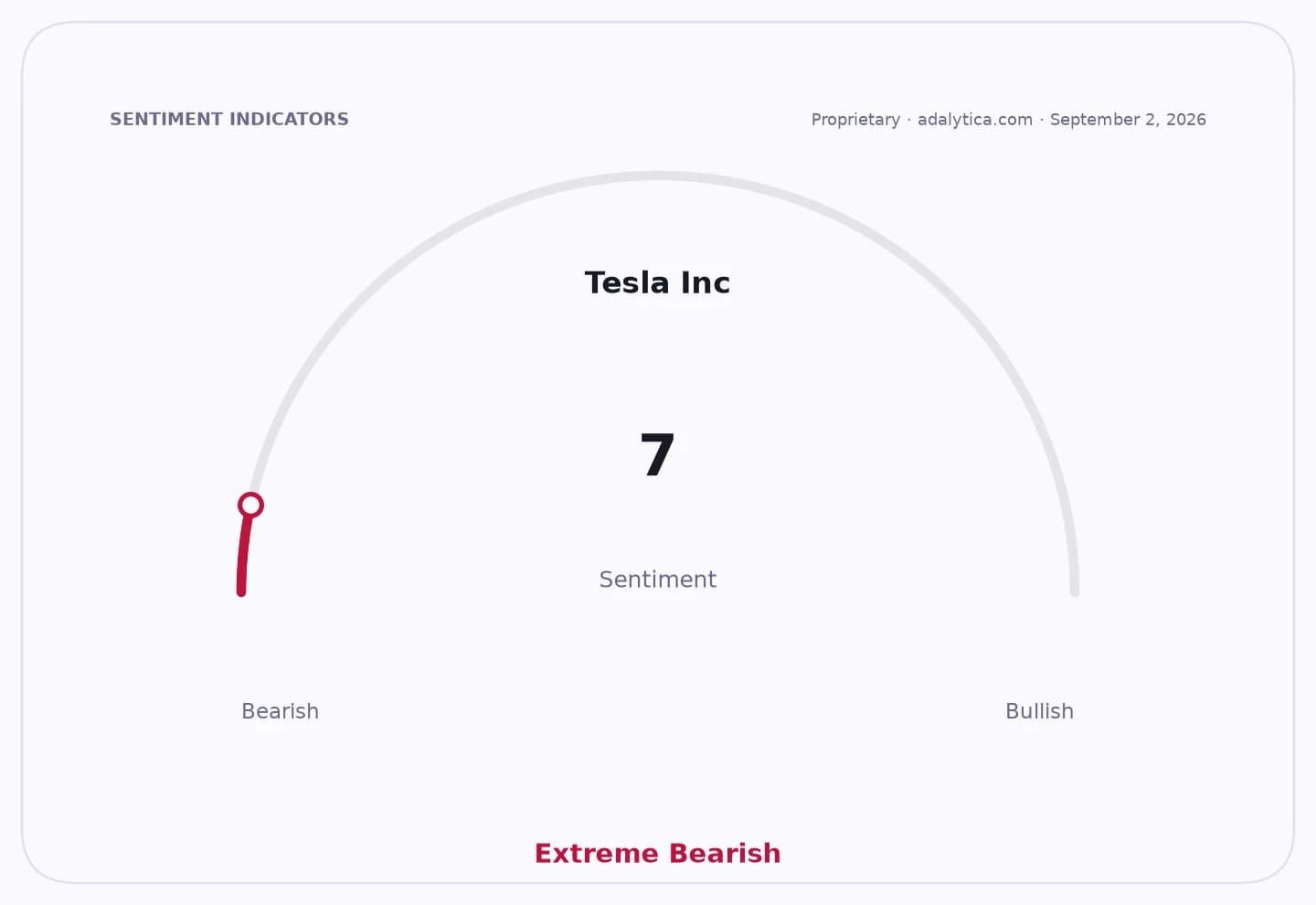
The stock has been trading near key technical levels, with the price just above its 50-day moving average but still well below the 200-day average, while Adalytica’s Tesla Earnings Sentiment gauge shows “Extreme Fear.” That does not tell investors what will happen next, but it does capture how quickly sentiment can sour when safety controversy collides with a premium multiple.
For investors, the takeaway is straightforward: the market may still be underestimating how much legal, regulatory and reputational damage can flow from a single fatal accident when it becomes evidence in a broader transparency fight. Tesla bulls can still argue that autonomy is the company’s biggest long-term upside, but that upside is now more dependent than ever on clean disclosure, faster remediation and proof that the company can mature from disruption story to regulated transportation platform.
The best opportunity may not be in blindly buying the dip, but in watching whether Tesla’s suppliers, liability insurers, autonomous software rivals and safety-focused short-duration vehicle-tech names gain at Tesla’s expense. If this episode turns into a longer disclosure battle, it could reshape where capital is willing to fund the next wave of mobility innovation.
| Entity | Gains | Losses |
|---|---|---|
| Tesla short sellers | ▲Volatility and downside catalyst | ▼Tesla investors |
| Auto safety regulators | ▲Leverage for tighter oversight | ▼Tesla autonomy roadmap |
| Tesla suppliers | ▲Higher repair and compliance demand | ▼Tesla margins |
| Autonomy rivals | ▲Credibility boost vs. Tesla | ▼Tesla brand trust |