Tesla Model S Falls in Resale Value Ranking
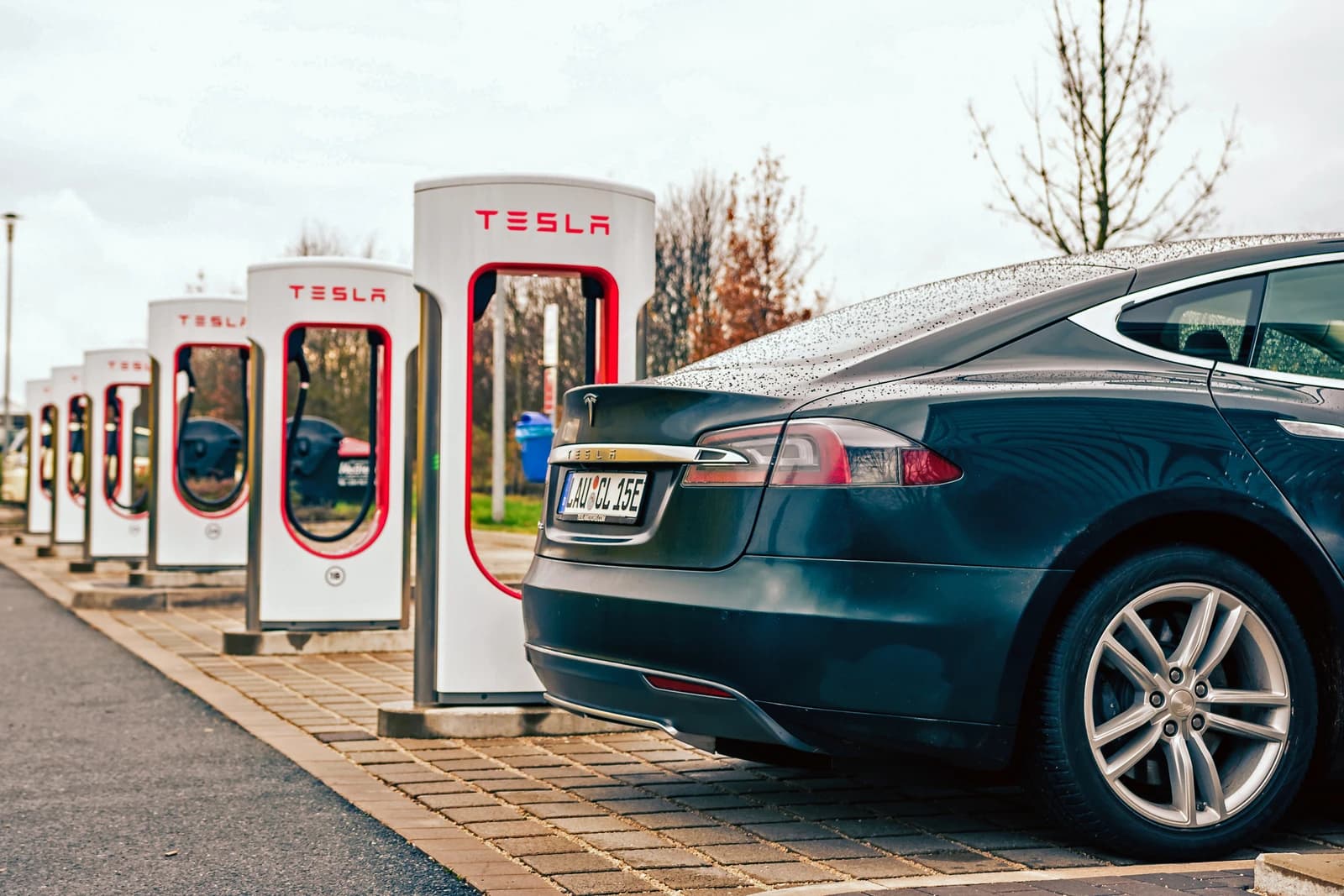
Tesla’s Model S has fallen to fourth place in a ranking of cars that lose value fastest over five years, underscoring how older electric vehicles are being squeezed by faster-moving technology, price cuts and a deep used-car discounting cycle.
The Tesla flagship depreciates 62% over five years, according to iSeeCars data compiled by Visual Capitalist, trailing only the Nissan Leaf at 63.1%, Infiniti QX80 at 62.8% and Volkswagen ID.4 at 62.1%. The analysis covered more than 950,000 used vehicles, all five years old, sold between March 2025 and February 2026, with prices adjusted to 2026 dollars.

For investors, the ranking is a reminder that EV economics are not just about sales growth and battery range. Weak residual values can pressure leasing, financing and trade-in assumptions across the sector, and they can make it harder for automakers to protect margins when new-car pricing moves lower.
Tesla’s showing matters most because the company has long sold not just cars but a technology story. The Model S result suggests that story is colliding with the reality of rapid product turnover: newer EVs bring better range, faster charging and improved software, while price cuts on new vehicles can drag down used prices.
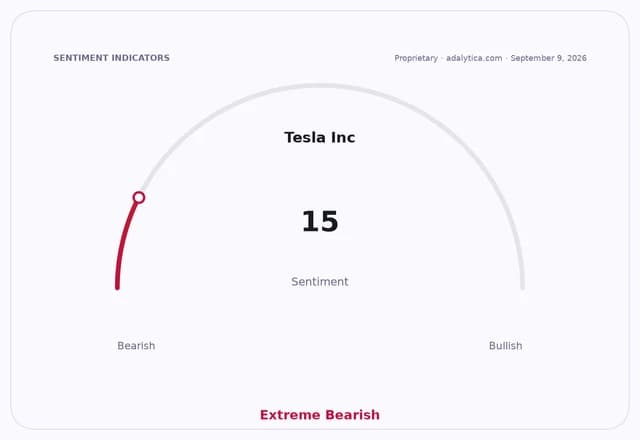
Six EVs appear among the 15 fastest-depreciating models, including Tesla’s Model S, Model X and Model Y, along with the Ford Mustang Mach-E, Nissan Leaf and Volkswagen ID.4. That broad presence points to an industry-wide issue rather than a Tesla-only problem, though Tesla’s heavy exposure makes it especially relevant to the stock.
At the other end of the market, the Porsche 718 Cayman holds value best, depreciating just 9.6% over five years, while the Porsche 911 follows at 11.1% and the Chevrolet Corvette at 18.7%. Toyota also stands out for strong resale performance, with the Tacoma and Tundra losing 19.9% and 21.2%, respectively.
The gap between the best and worst performers is more than 50 percentage points, highlighting how sharply ownership costs can diverge by model. For buyers, that affects the total cost of ownership; for lenders, insurers and automakers, it affects collateral values, lease rates and profitability.
Tesla shares and the broader EV group will remain sensitive to any further pressure on used-car pricing, especially if manufacturers keep leaning on discounts to support demand. The next catalyst is likely to come from fresh sales data, pricing actions or another round of model-year updates that could reshape residual values again.
| Entity | Gains | Losses |
|---|---|---|
| Porsche 718 Cayman | ▲Best resale value | ▼Depreciation losses |
| Toyota Tacoma/Tundra | ▲Strong residuals | ▼Used buyers seeking discounts |
| Tesla, Nissan, VW EVs | ▲Higher new-car accessibility | ▼Weak used-car values |
| Lenders and lessors | ▲More data on residual risk | ▼Lower collateral values |