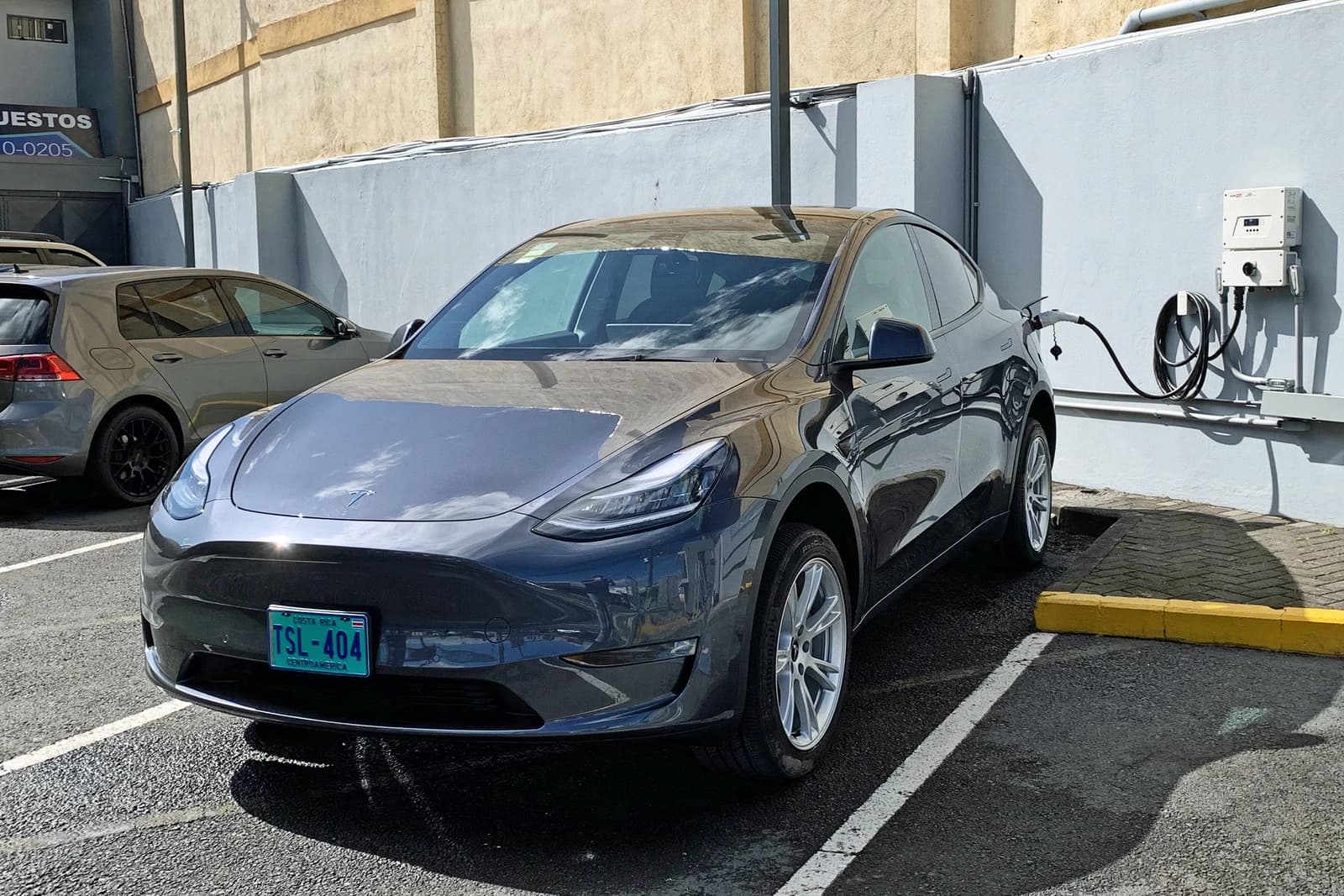
Tesla’s push into autonomous ride-hailing is now officially on the market’s clock, and JPMorgan says the shares may struggle to hold onto lofty expectations after the Cybercab was unveiled and put into limited operation in Austin, Texas.
Tesla robotaxi rollout draws JPMorgan neutral call

The bank held its “neutral” rating and $445 target on Tesla after the event, arguing the stock has already priced in a great deal of optimism and could pull back because investors were left with few specifics on how quickly the robotaxi business can scale. That matters because Tesla’s valuation increasingly depends less on car deliveries and more on whether it can turn autonomy into a meaningful, profitable platform.
Sentiment IndicatorsⓘProprietary · adalytica.com · September 5, 2026
This is a snapshot — live sentiment, awareness and momentum for 130+ markets update continuously in the dashboard.Open AlphaPulse
The Cybercab’s inclusion in a robotaxi fleet is a milestone for Tesla’s self-driving strategy, but it is not yet proof of a near-term earnings inflection. The market has long treated autonomy as the company’s largest optionality driver, potentially opening a software-like revenue stream with much higher margins than auto sales. Yet without clear details on fleet expansion, regulatory approvals, service areas or economics, the event does little to close the gap between aspiration and monetization.
That tension helps explain the stock’s recent volatility. Tesla shares have been trading around the mid-$300s to mid-$400s range, with standard technical indicators showing momentum that has cooled from earlier strength. The 50-day moving average sits below the current price, while the 200-day moving average remains higher, underscoring a stock that has recovered from weakness but is still not in a clean long-term breakout. RSI readings have also moved off overbought levels, suggesting enthusiasm has become more selective rather than euphoric.
For investors, the JPMorgan call is a reminder that Tesla remains a narrative-driven stock with a demanding setup. Bulls will argue that even limited deployment in Austin is an important proof point and that any progress toward autonomy could justify a premium multiple. Bears will counter that Tesla has repeatedly asked shareholders to look through execution gaps on timelines, and that the lack of concrete disclosure leaves room for disappointment if the robotaxi rollout proves incremental.
The broader market context also matters. Investors continue to reward artificial intelligence and automation themes, but they have become less forgiving when valuation rests on distant promises. Tesla’s next catalyst will likely be evidence of scale: how many vehicles are operating, how quickly the network expands, and whether the economics can support a business larger than a niche pilot. Until then, JPMorgan’s stance suggests the stock may need more than a high-profile launch to sustain its valuation.
| Entity | Gains | Losses |
|---|---|---|
| Tesla bulls | ▲Robotaxi optionality | ▼Near-term clarity |
| Tesla bears | ▲Missed-detail argument | ▼Autonomy hype trade |
| JPMorgan | ▲Validated caution | ▼Momentum upside |
| Existing shareholders | ▲Product milestone | ▼Re-rating risk |