Tesla Robotics Plans Move to Fremont Factory
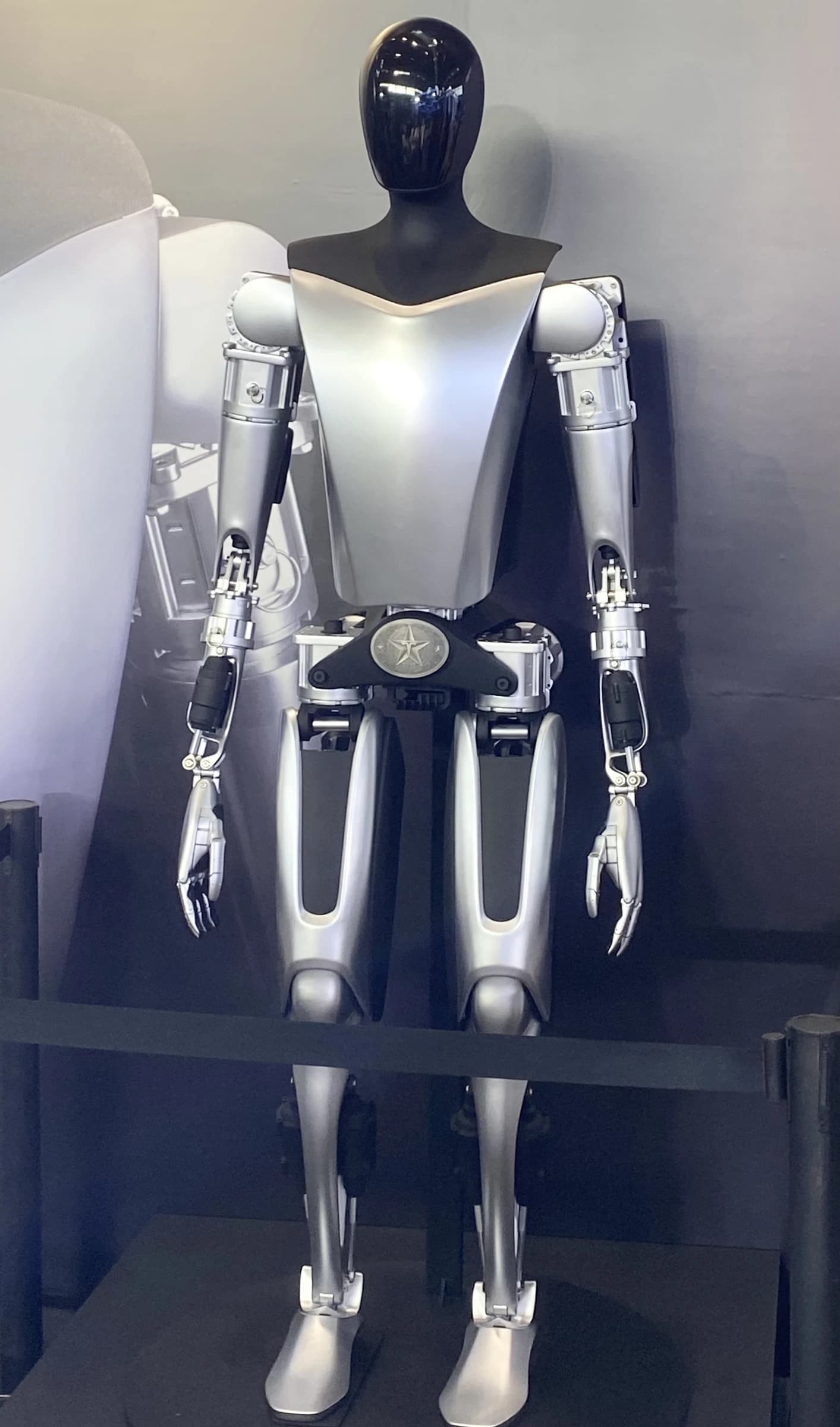
Tesla’s next big story may not be another car at all. JPMorgan’s visit to the Fremont factory points to a company preparing to turn its robotics ambitions into a manufacturing business, and that matters because humanoid robots could become one of Tesla’s most valuable long-term growth engines if it can scale production the way it did with vehicles.
For investors, the significance is straightforward: Tesla is trying to move beyond being judged mainly on electric-vehicle deliveries and into a broader industrial platform built around autonomy, software and robotics. That gives the stock a different kind of upside, but it also raises the bar. If Tesla can industrialize humanoid production, it opens a new market with potentially enormous unit economics and recurring software revenue. If it cannot, the robotics narrative risks becoming just another expensive promise.
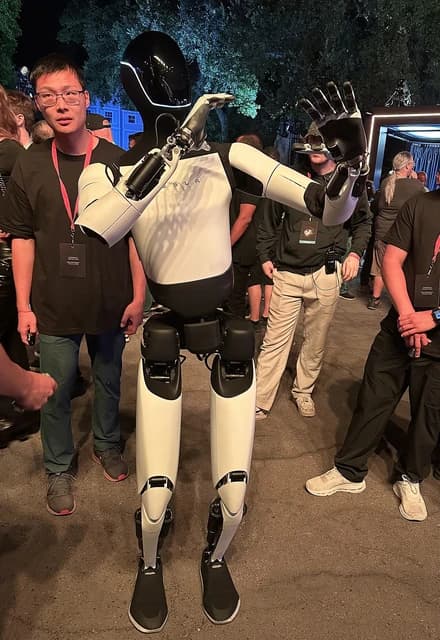
The market is already telling you this remains a high-expectations stock. Tesla shares closed at $362.86 on Aug. 21, after touching $351.12 and $345.13 in the prior two sessions, with trading volume jumping to 57.8 million shares. The stock is still well below its 200-day moving average of about $403, even though it remains near its 50-day average around $366. Technical readings also show a stock that has rallied hard but is still unstable, with RSI at 72.7 and a negative MACD that has not fully turned yet. In plain English, investors are still paying attention, but they have not been handed a clean breakout.
That tension is exactly why Fremont matters. Tesla’s factory footprint is the difference between a cool demo and a real business. Humanoid robots are only investable if they can be built at scale, at a cost that falls over time, and in a way that supports consistent margins. Tesla’s history in cars, batteries and manufacturing gives it credibility there, but investors should remember that robotics is still early. Production ramps are messy, capital-intensive and easy to overpromise.
Still, the long-term case is compelling. Tesla already says in its latest filings that it is focused on “future vehicles” and advances in autonomy and robotics, and it has begun production of Cybercab while ramping battery and materials capacity. That suggests the company is building a broader industrial base rather than betting on a single product cycle. If humanoid robots become a genuine product line, Tesla could tap factories, warehouses and eventually consumer applications, creating a market far larger than automotive alone.
The broader backdrop helps explain why interest is building. Chinese humanoid robot maker Unitree recently drew explosive investor enthusiasm in its Shanghai debut, showing how quickly capital is moving toward robotics leaders. That kind of appetite matters for Tesla because it underscores that investors are willing to assign premium valuations to companies that can prove they are early in a potentially massive market.
For long-term investors, the key question is not whether Tesla can talk about humanoid robots. It is whether Fremont is the place where the company starts proving it can manufacture them. If Tesla can translate robotics hype into repeatable output, the upside could be historic. If not, the stock will remain tied to the more familiar cycle of EV growth, margins and volatility. Either way, this is a development worth watching closely, and one for patient investors to keep on the watchlist.
| Entity | Gains | Losses |
|---|---|---|
| Tesla | ▲New growth narrative | ▼Near-term proof burden |
| Long-term investors | ▲Big optionality | ▼Execution risk |
| EV-only skeptics | ▲Fewer easy excuses to ignore Tesla | ▼Must re-rate the robotics angle |
| Humanoid rivals | ▲Faster category interest | ▼Tesla’s manufacturing scale advantage |