Tesoro Gold El Zorro Resource and Development Path
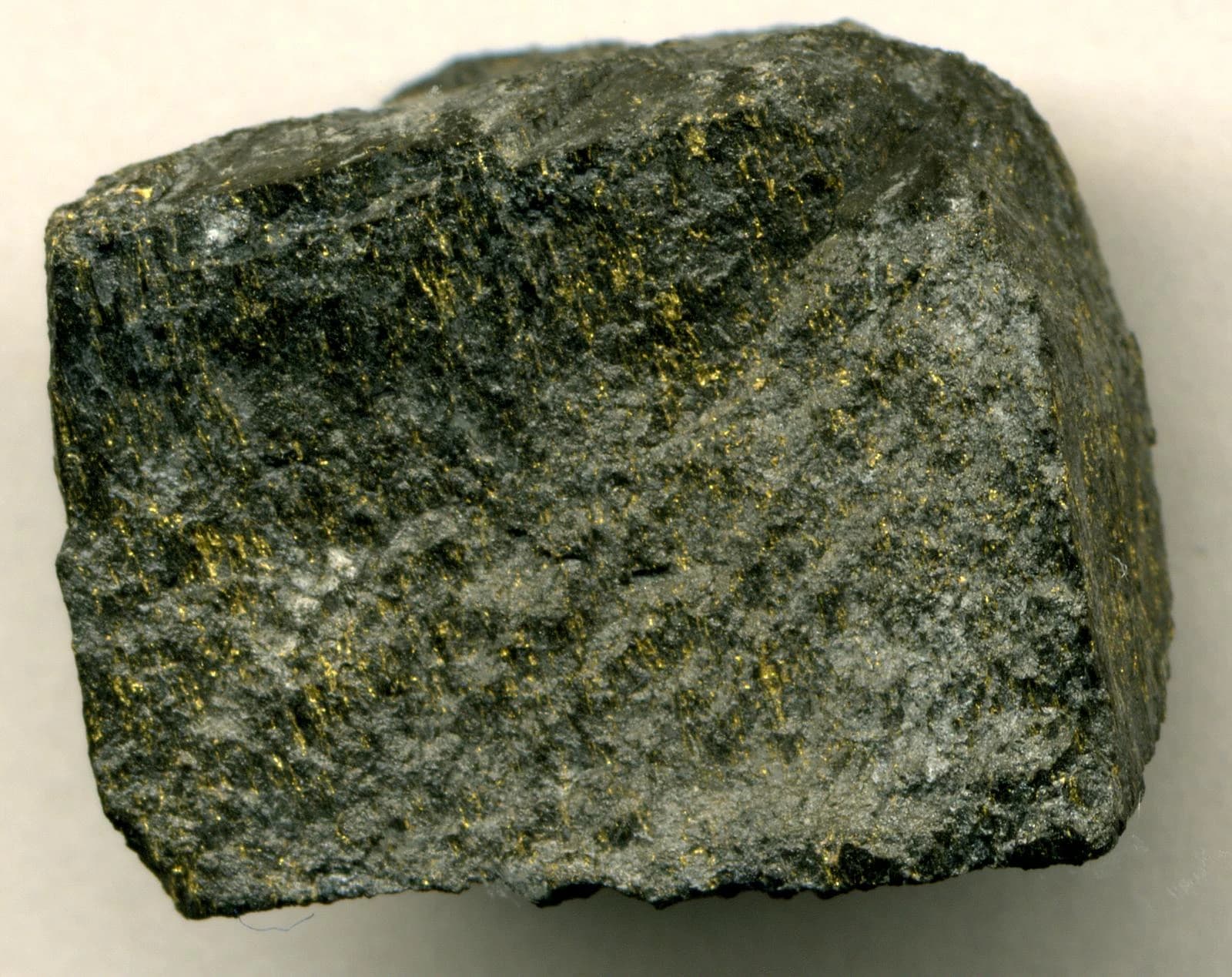
Gold near $4,350 an ounce is not enough to solve the metal’s supply problem, and Tesoro Gold’s El Zorro project shows why investors are now looking for developers that are already well down the permitting and drilling path rather than fresh discoveries that could take two decades to reach production.
The market is confronting a structural mismatch: demand surged to a record 5,002 tonnes in 2025, while global mine output rose only marginally and total supply increased by about 1%. With new gold discoveries becoming scarcer and smaller, the industry’s bottleneck is no longer the price alone but the time, capital and regulatory process required to turn rock into a mine.

Industry estimates cited in the source material put the average gap between discovery and commercial production at about 20 years. That matters for the gold market because high prices typically do little to add near-term ounces. They can improve project economics and spur financing, but they do not shorten feasibility studies, environmental reviews, reserve conversion or construction. For investors, that makes advanced-stage developers more valuable than early explorers, but also more exposed to execution risk if permitting, metallurgy or funding disappoint.
Tesoro is being pitched as one of the exceptions because it is not starting from scratch. At its Ternera deposit in Chile, the company reported an updated resource in August of 51.6 million tonnes grading 1.10 grams a tonne, or 1.82 million ounces of gold. About 1.47 million ounces, or 78%, are already in the Measured and Indicated categories, including 95,000 ounces newly upgraded to Measured from a 27,000-metre drill program. That matters because reserve conversion usually depends on geological confidence, and Measured and Indicated ounces carry much more weight than inferred material when banks, engineers and regulators assess a build decision.
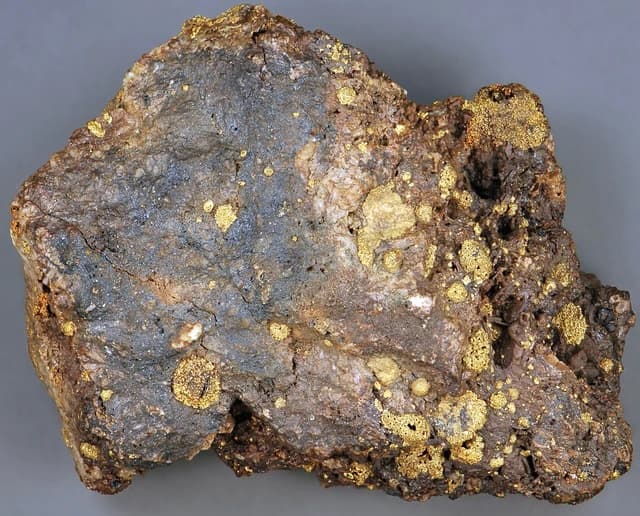
The company is also outlining a relatively straightforward development path: a single open pit, a 3 million-tonne-a-year plant and carbon-in-pulp processing, with metallurgical work indicating recoveries of about 94.5%. Tesoro’s scoping work suggests a 14-year mine life and roughly 1.26 million ounces of production, including an average of about 111,000 ounces a year in the first nine years. Those figures are still preliminary, but they show why the project is being marketed as a potential mid-tier standalone mine rather than a speculative geological concept.
Location is part of the investment case. The deposit sits roughly 13 kilometres from the Pacific coast and about 57 kilometres from the port of Caldera, with roads, power, an airport and desalination infrastructure nearby. In a sector where remote projects often suffer from elevated capex and logistics costs, that kind of access can improve the odds of financing and shorten the path to development.
Still, the gap between a resource and a producing mine is where most junior gold stories break down. Tesoro has yet to convert the resource into reserves, secure environmental approval or line up construction funding. The company expects its first ore reserve in September, the definitive feasibility study by year-end and the environmental impact filing early in 2027. If it delivers those milestones, El Zorro could become more relevant just as the gold industry is struggling to replenish mine supply.
For investors, the narrative is straightforward: record prices are helping the economics of future mines, but the real constraint is time. That leaves upside for developers with scale, grade continuity and infrastructure advantage — and leaves the broader market dependent on projects that can actually make it through the long, expensive route from discovery to first pour.
| Entity | Gains | Losses |
|---|---|---|
| Tesoro Gold | ▲Higher valuation optionality | ▼Permitting and financing risk |
| Gold investors | ▲Exposure to supply-shortage theme | ▼Timing risk on new supply |
| Existing producers | ▲Stronger pricing power | ▼Rising expectations for reserve replacement |
| Gold buyers | ▲Supply remains constrained | ▼Higher input costs |