Thailand warns on Fed rate hike spillover
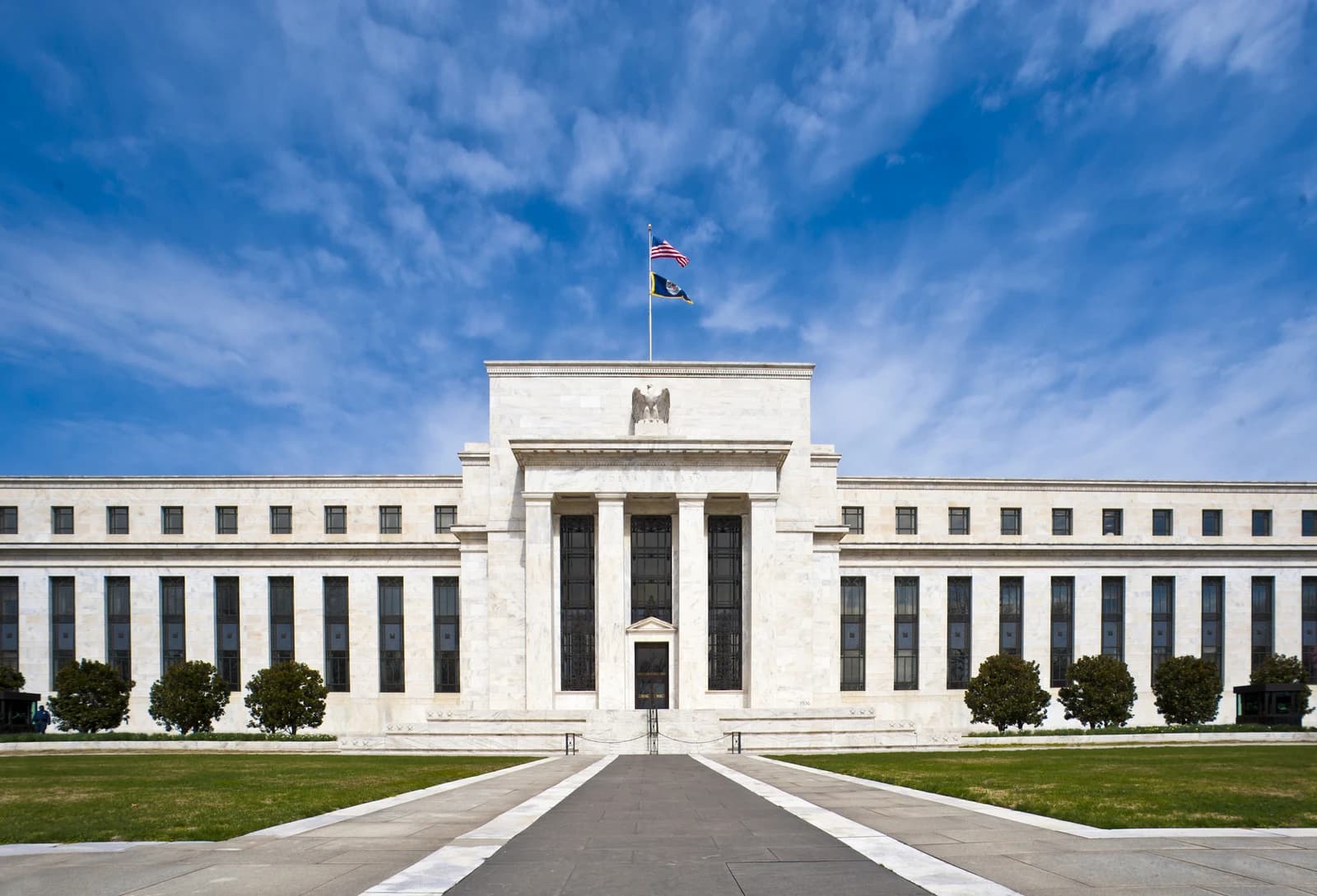
Thailand’s top economic planner is warning that the Federal Reserve’s quarter-point rate increase could ripple through global markets, push up borrowing costs and force Bangkok to prepare for financial shocks rather than assume the turbulence will stay overseas.
The message matters because when the Fed tightens, the effects rarely stop at the U.S. border. Higher U.S. rates tend to lift Treasury yields, strengthen the dollar and pull capital toward dollar assets, leaving emerging markets such as Thailand more exposed to currency swings, funding pressure and volatility in cross-border flows. That is why the warning from the National Economic and Social Development Council is less about one rate decision than about the cost of capital across the region.
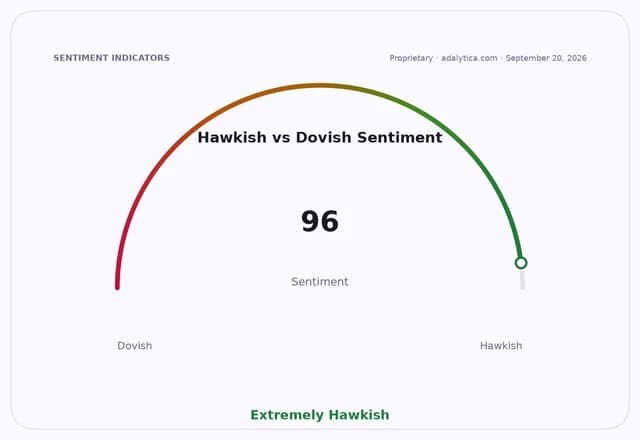
Danucha Pichayanan, the council’s secretary-general, said the increase in U.S. rates would raise global market risk and that Thailand’s central bank must decide how to respond, including whether domestic rates need to move higher. He noted the gap between Thai and foreign interest rates could become harder to manage if investors seek better returns abroad, making it more difficult to attract capital without adding pressure at home.
For investors, that is the key trade-off: a Fed hike can support the dollar and U.S. yields, but it can also tighten financial conditions everywhere else. The 10-year U.S. Treasury yield was around 4.98%, while the yield gap between 10-year and two-year Treasuries remained positive at about 0.25 percentage point, underscoring a market still bracing for tighter policy even as the curve stays relatively flat. In that environment, long-duration assets and rate-sensitive markets tend to face more scrutiny.
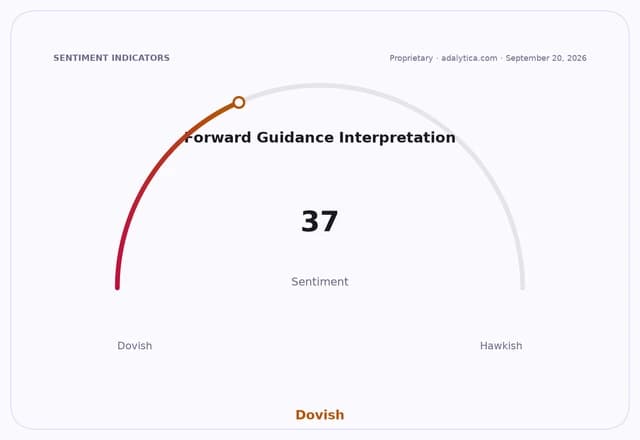
The warning also highlights Thailand’s balancing act. Officials there are not just watching interest rates, but also the knock-on effects of energy prices, transport costs and domestic resilience. Danucha said the government needs long-term investment planning to cushion shocks, and he pointed to flood and drought preparation as part of the same defense: a stronger economy can absorb external hits more easily.
That is the investor lesson. A Fed rate hike may look like a U.S. policy move, but its real significance is global liquidity. It can change where money flows, how much governments and companies pay to borrow, and how much room emerging markets have to support growth. Thailand’s warning suggests policymakers see the next phase of the cycle as one where caution matters more than optimism.
For long-term investors, the right response is not to guess the next rate move, but to focus on balance sheets, pricing power and diversification. In periods like this, quality businesses and diversified portfolios usually outlast the noise. Thailand’s message is simple: prepare for volatility now, because the cost of being unprepared can be much higher later.
| Entity | Gains | Losses |
|---|---|---|
| U.S. dollar assets | ▲More capital demand | ▼Emerging-market assets |
| Thai policymakers | ▲Time to prepare | ▼Room for easy policy |
| Borrowers in Thailand | ▲Nothing immediate | ▼Higher funding costs |
| Long-term diversified investors | ▲Better entry points | ▼Short-term traders |