Thailand Inflation Rises Above 2% on Food and Energy
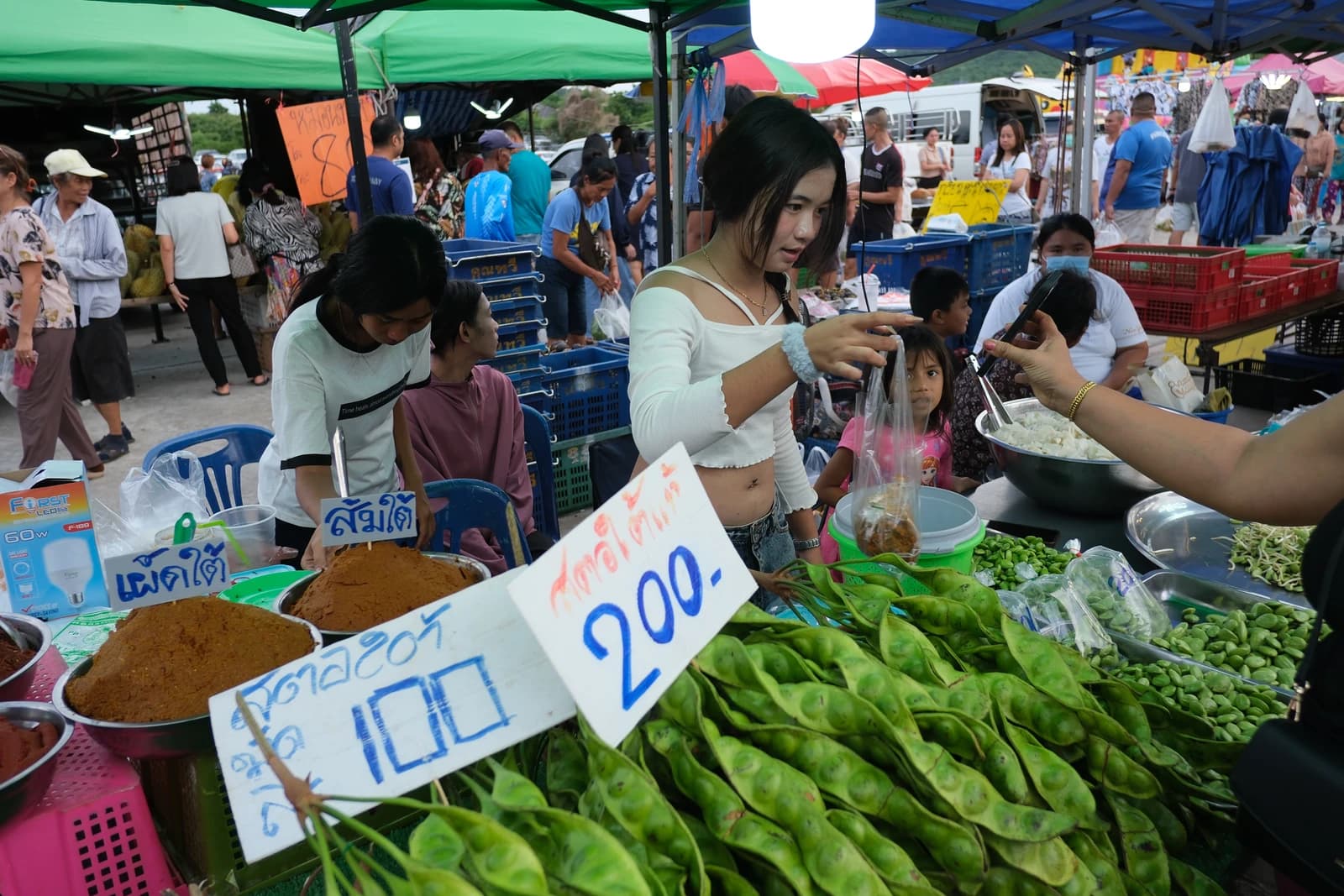
Thailand’s inflation is likely to stay above the Bank of Thailand’s 2% midpoint for the rest of the year as El Niño threatens to push up food prices just as energy costs and domestic demand are already adding pressure.
Krungthai COMPASS said headline inflation for August accelerated to 2.53% year on year from 1.95% in July, beating analyst forecasts of 2.37% and marking a sharper-than-expected pickup in price pressures. Core inflation, which strips out volatile food and energy items, was also at its highest in more than three years, suggesting the surge is no longer just a temporary energy story.

The research unit said energy contributed 41.5% of headline inflation, while core prices accounted for 39.9% and fresh food added 0.47 percentage point. It flagged finished food prices rising for a seventh straight month and warned that fresh food inflation could climb further if El Niño worsens late in the year, squeezing supply of rice, eggs, dairy and other staples.
That matters for the Thai economy because inflation that is being driven by broader domestic demand is harder to reverse than a commodity-led spike. Krungthai said price pressure is increasingly shifting toward internal demand, while business sentiment remains weak, with its business confidence index below 50 for a ninth consecutive month as firms worry about input costs and likely pass-through into selling prices.
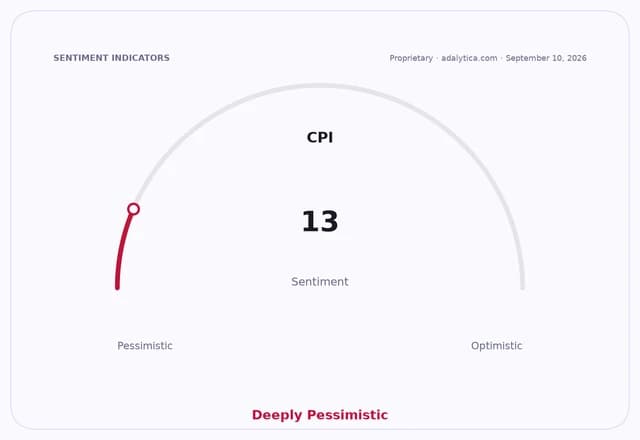
Energy remains an additional risk. Dubai crude has moved above $100 a barrel, compared with an average of $79.7 a barrel in the previous month, while Middle East tensions keep oil markets volatile. For investors, that raises the odds of stickier inflation, less room for rate cuts, and continued pressure on sectors exposed to food, transport and household spending.
Thai companies are already showing signs of cost pass-through in categories such as appliances, furniture and cleaning equipment, which could keep consumer prices elevated even if energy stabilizes. Krungthai said the key issue now is whether multiple drivers — food, energy and domestic demand — reinforce each other into year-end, with El Niño posing the biggest upside risk to inflation.
| Entity | Gains | Losses |
|---|---|---|
| Food producers with pricing power | ▲Higher selling prices | ▼Weaker household purchasing power |
| Energy producers and traders | ▲Higher fuel-linked revenues | ▼Fuel importers and consumers |
| Thai inflation hedgers | ▲Better inflation protection | ▼Rate-cut expectations |
| Retailers and manufacturers | ▲Limited pass-through margin relief | ▼Cost-sensitive consumers |