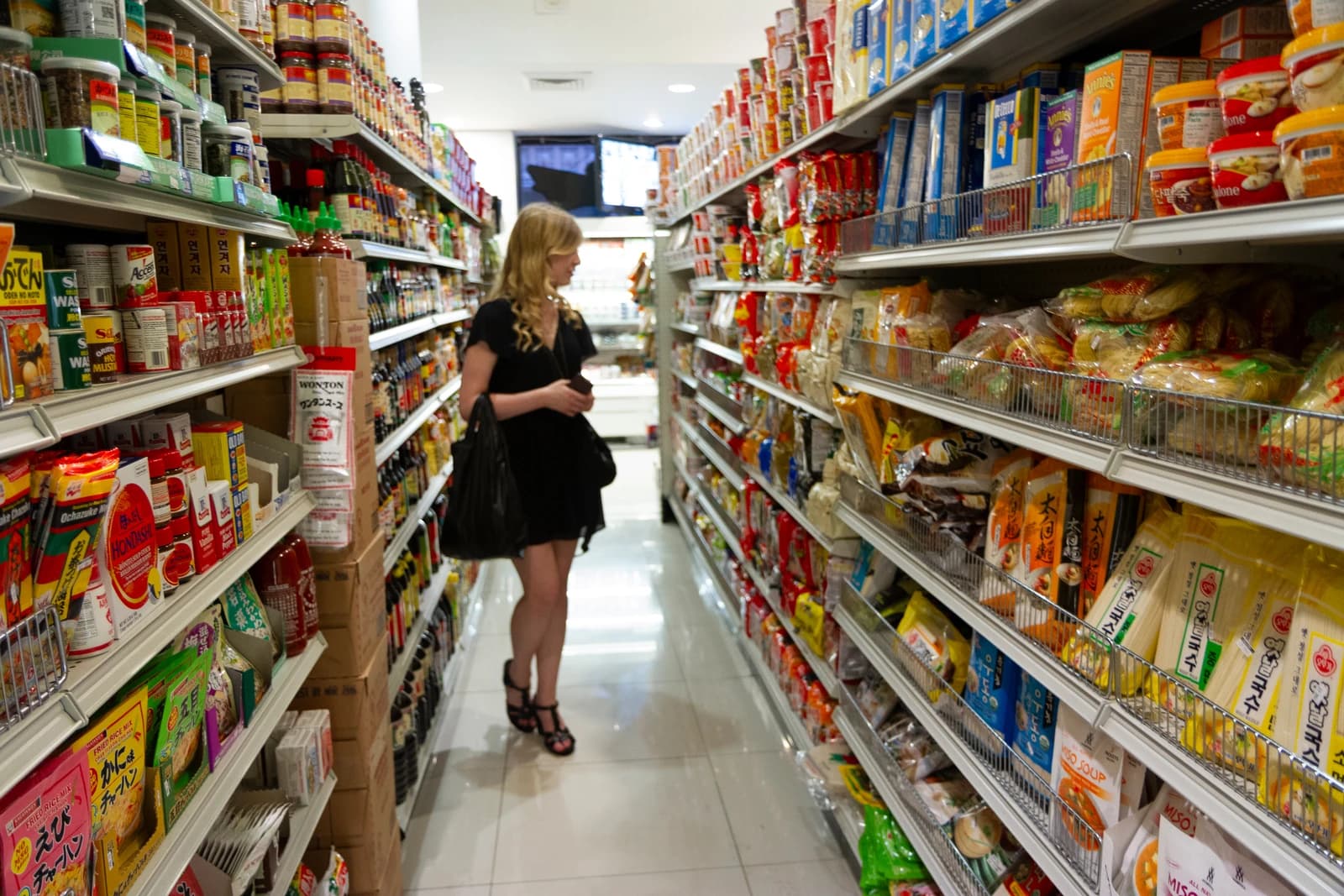
Thailand’s commerce ministry is scaling up a rural retail modernization drive, pushing 102 neighborhood shops into smart grocery status and selecting 31 more as prototype stores as it tries to help local merchants cut costs, lift sales and compete in a changing retail market.
Thailand upgrades 102 shops to smart grocery stores
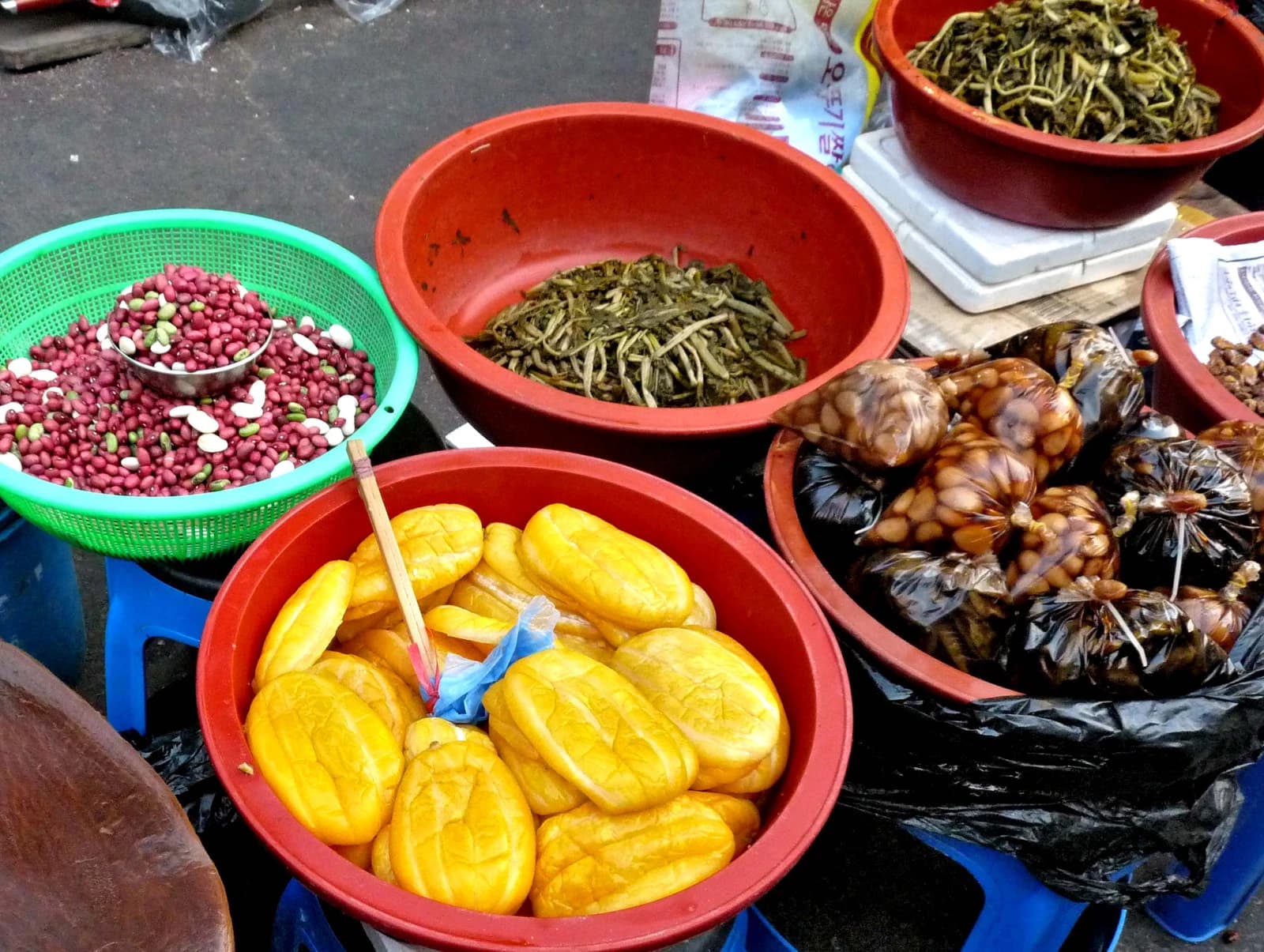
The program matters because Thailand’s small-store network remains a key part of consumer spending, especially outside major cities, but many operators still rely on low-margin, manually run businesses that are vulnerable to rising costs, thinner purchasing power and competition from organized chains. By adding technology, store-layout planning and digital buying tools, the government is trying to make those shops more efficient rather than simply keeping them afloat.
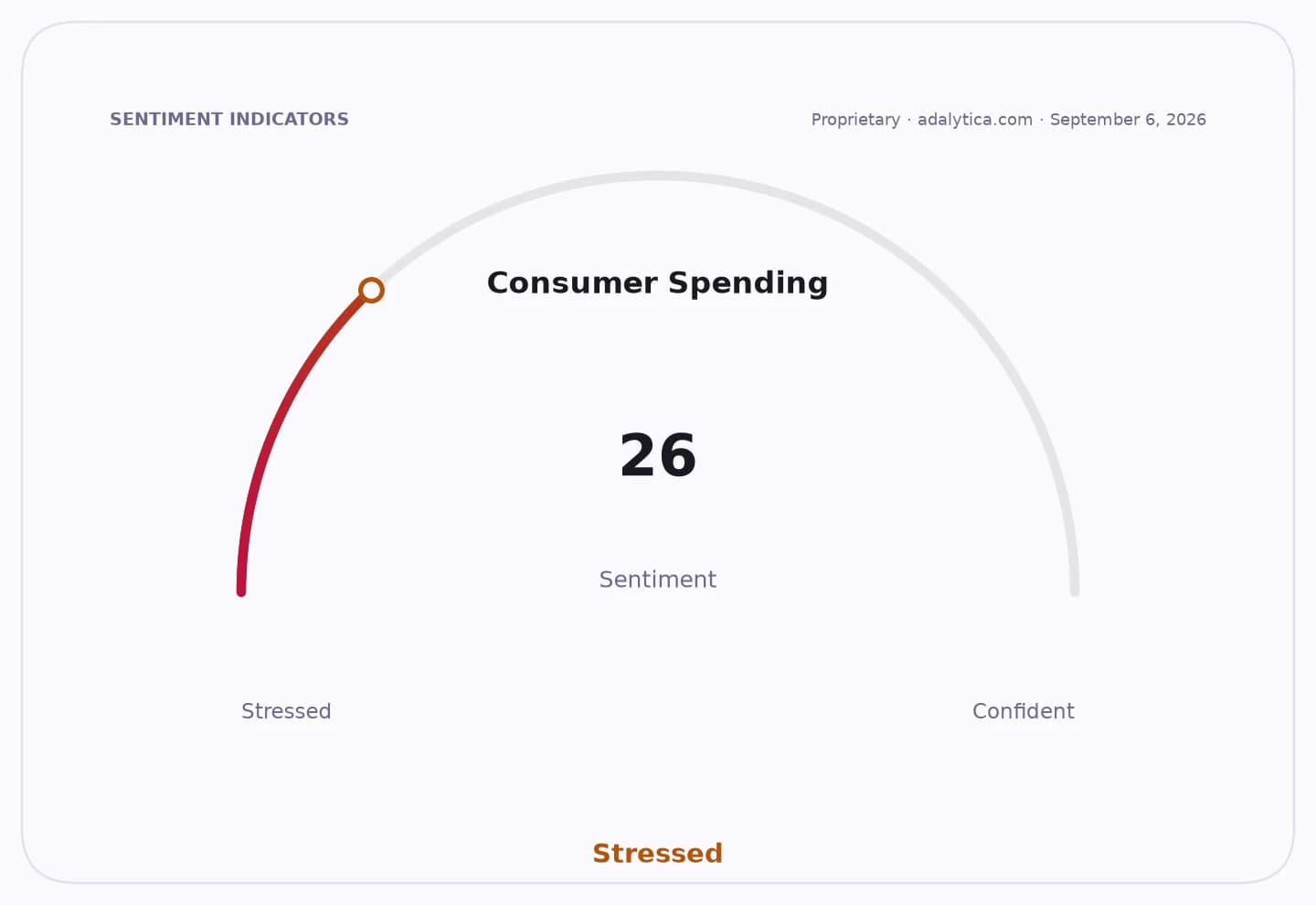
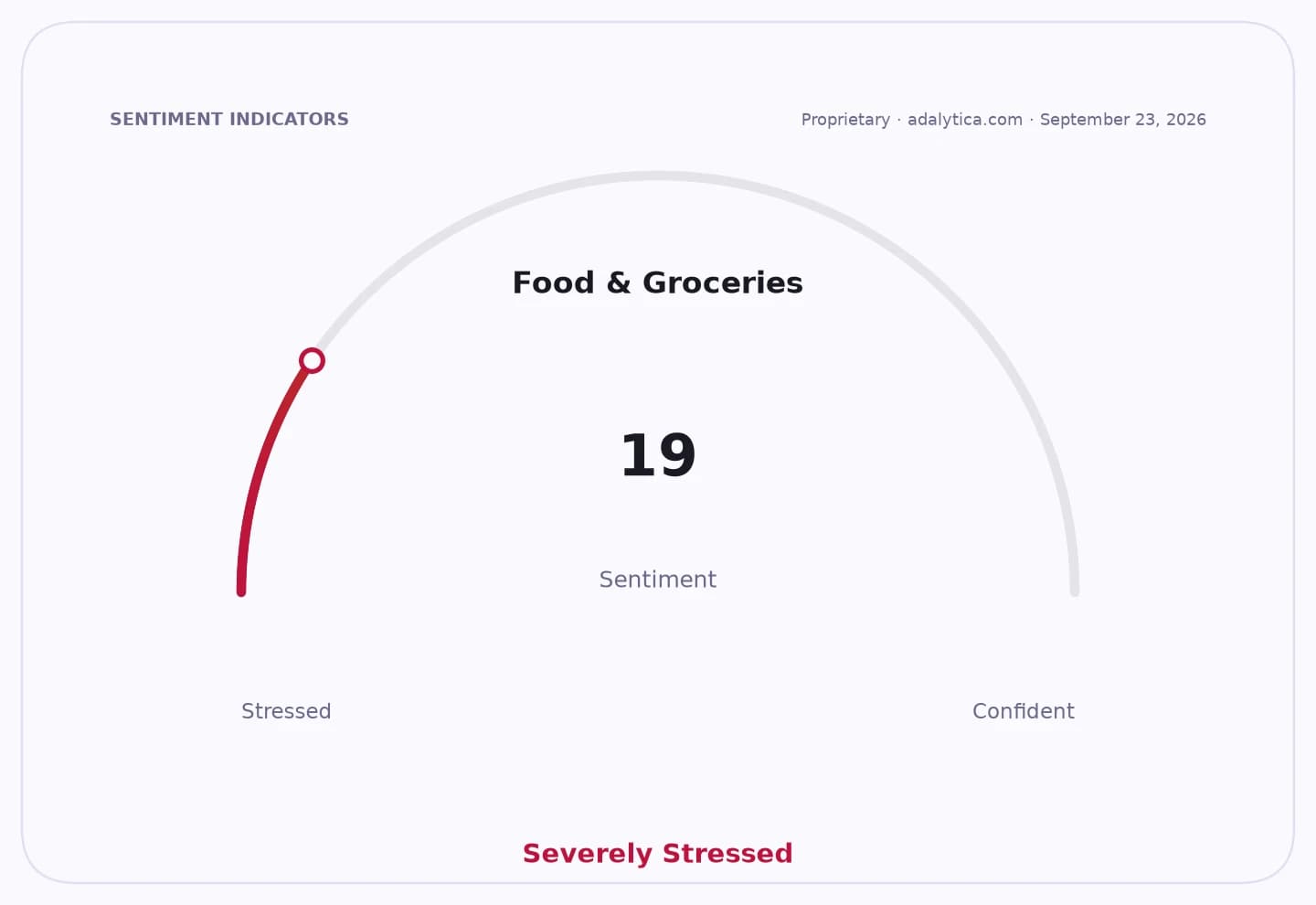
Sentiment IndicatorsⓘProprietary · adalytica.com · September 4, 2026
This is a snapshot — live sentiment, awareness and momentum for 130+ markets update continuously in the dashboard.Open AlphaPulse
The Department of Business Development said 2,622 operators received training in modern business practices in fiscal 2026, bringing the total since 2017 to 26,554. It also upgraded 102 shops into “smart grocery stores,” lifting the cumulative total to 8,027 across four regions, and developed 31 local wholesale and retail stores into prototype outlets, taking the national total to 390.
Officials are also leaning on joint marketing to improve foot traffic and turnover. The “Thai Helps Thai x Local Low Cost” campaign linked more than 100 retail and wholesale shops, or over 800 branches nationwide, and is expected to generate at least 70 million baht in economic value while offering lower-priced goods to consumers facing higher living costs.
For investors, the story is less about direct market impact than about the direction of Thai retail demand and the government’s effort to shore up the bottom of the distribution chain. Better store layout, digital ordering and AI-enabled management can improve inventory turns and margins for small merchants, while also creating a more resilient channel for consumer goods suppliers and wholesalers.
The broader implication is that Thailand is pushing informal and fragmented retail closer to the data-driven model already used by larger chains, a shift that could gradually reshape local procurement, pricing and competition. The next test is whether those 102 converted shops and 31 prototype stores can translate government support into sustained sales gains and broader adoption across the country.
| Entity | Gains | Losses |
|---|---|---|
| Thai local shops | ▲Lower costs, better sales tools | ▼Old manual operating model |
| Consumers | ▲More low-cost goods, easier access | ▼Less benefit from inefficient pricing |
| Suppliers/wholesalers | ▲Wider branch network, more orders | ▼Fragmented legacy distribution |
| Large retail chains | ▲Potentially steadier local ecosystem | ▼No clear immediate gain from policy push |