Thanh Hoa farmers turn rice straw into income
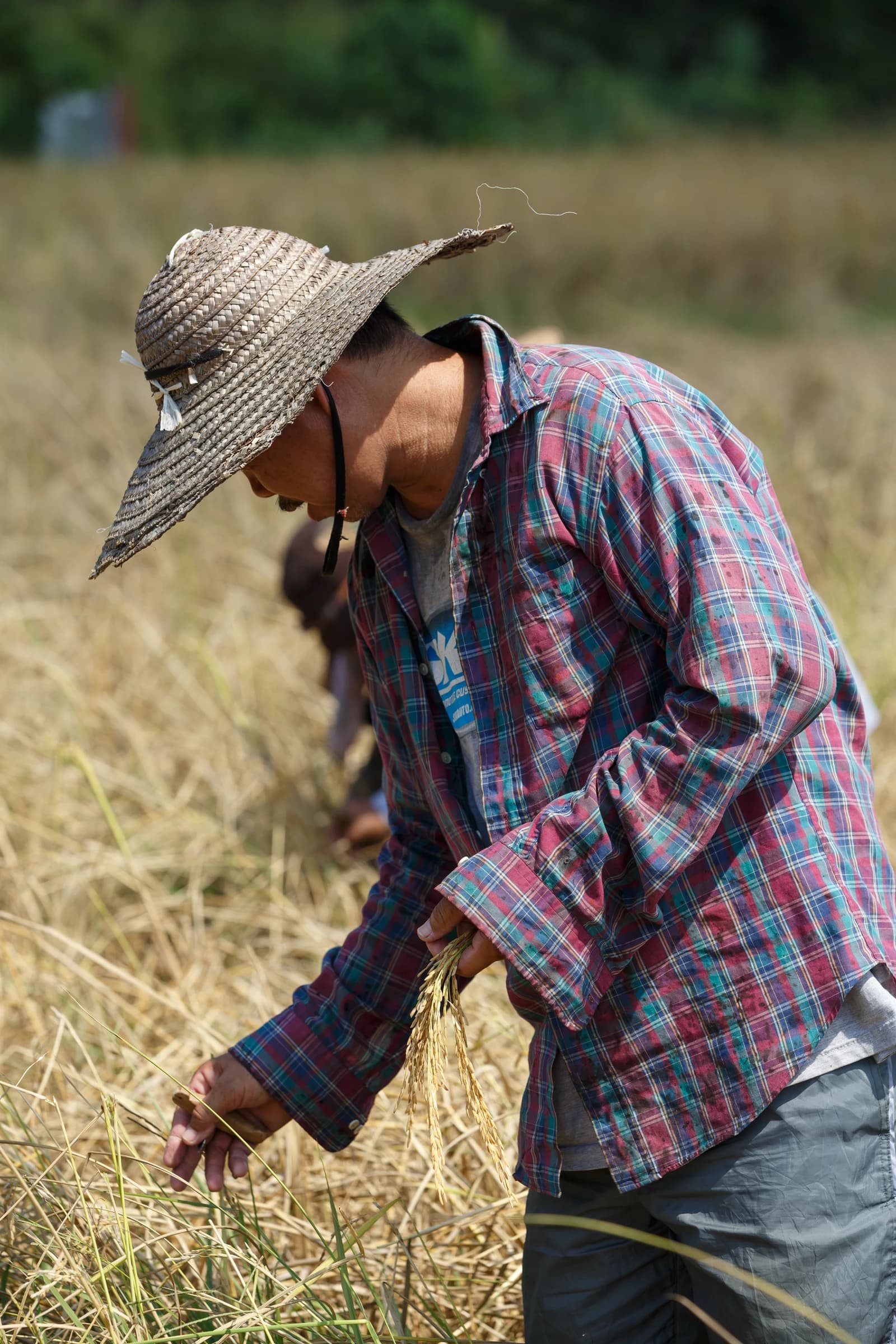
Farmers in Vietnam’s Thanh Hoa province are turning rice straw from a disposal problem into an income-boosting farm input, and that matters because it cuts costs, improves soil and reduces the pollution that comes with open-field burning.
The shift is a small but important example of how circular agriculture can improve profitability at the farm level without waiting for expensive new machinery or major policy overhauls. By treating straw with biological products instead of burning it, growers return organic matter to the soil, reduce dependence on chemical fertilizer and protect air quality at the same time.
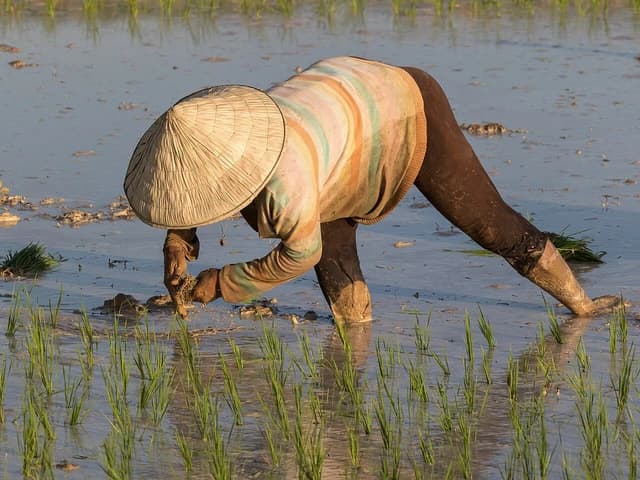
That combination is what makes the story economically relevant. In farming, margins are often thin and volatile, so any practice that lowers input costs while stabilizing yields can have an outsized effect on long-term returns. Thanh Hoa’s farmers are also finding that the benefits are visible in the field: healthier plants, fewer pests, less wasted seed and stronger soil over time.
Local farm groups have helped accelerate the change. The province’s farmers’ association says it has organized 175 training sessions for more than 10,000 members on straw treatment and other residue-management methods. The effort also forms part of a broader push between 2021 and 2023 to promote environmentally friendly rice cultivation, including less seed use, better water management and lower pesticide and fertilizer use.
The numbers from the pilot plots help explain why adoption is growing. In the latest season, farmers reduced seed use by 20% to 30% and still saw rice tiller well. Yields on the model plots reached nearly 2.8 quintals per sào, about 16.2% higher than comparison fields, while income climbed from 615,000 dong to more than 913,000 dong per sào.
For investors, the direct read-through is not a listed-company story but a broader agriculture theme: better residue management can support rural incomes, raise demand for biological products and training services, and reinforce the long-term case for sustainable farming inputs. It also fits a wider shift across Asia toward lower-emission rice production, which matters as governments and buyers increasingly pay attention to supply-chain sustainability.
There are still limits. Open burning has not disappeared, and the model depends on extension support and farmer confidence in the process. But the direction is clear: when a crop byproduct becomes a usable asset, the whole production system gets more efficient. That is why this is worth watching as a practical, scalable step toward more resilient agriculture.
| Entity | Gains | Losses |
|---|---|---|
| Thanh Hoa rice farmers | ▲Lower costs, higher income | ▼Old burning habit |
| Soil and environment | ▲More organic matter, less smoke | ▼Air pollution from burning |
| Biological product suppliers | ▲Higher demand | ▼Demand for wasteful disposal methods |
| Chemical fertilizer sellers | ▲Potentially less usage | ▼Some input volume |