Thuận Đức’s rapid expansion is becoming more expensive to finance, with debt climbing, interest costs surging and operating cash flow still negative after nine months, underscoring how growth is pressuring profitability at the Vietnamese manufacturer.
Thuận Đức profit falls as debt and interest rise
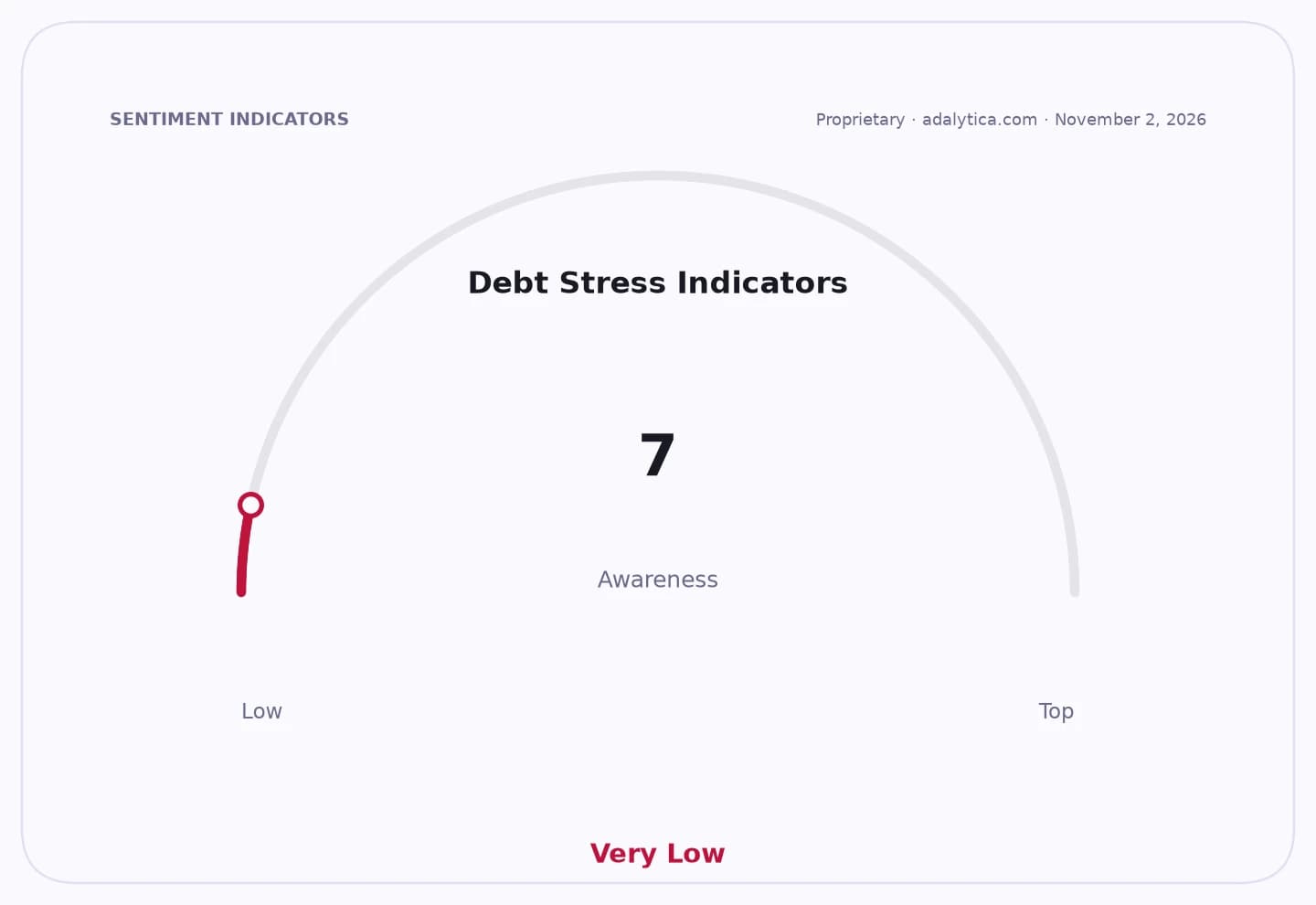
Debt Stress Indicators
The company’s third-quarter numbers show the strain clearly. Revenue rose to nearly 1.38 trillion dong, but net profit fell almost 70% from a year earlier to just over 10 billion dong, even as gross profit still increased to more than 112 billion dong and gross margin held near 8%.
Sentiment Indicators
The problem is not sales volume, but what it costs to sustain it. Financial expense jumped more than 62% in the quarter to nearly 78 billion dong, driven mainly by interest expense of more than 75 billion dong, up over 70% year on year. Interest alone was equal to almost two-thirds of gross profit, wiping out much of the benefit from stronger revenue.
Thuận Đức also faced a heavier tax bill. Pre-tax profit came in at about 20 billion dong, but corporate income tax expense was close to 10 billion dong, or roughly 48% of pre-tax profit, well above last year’s level. The company said part of its borrowing costs could not be deducted when calculating taxable income, while higher production and transport costs also weighed on earnings.
The squeeze reflects a balance-sheet structure built for scale. By the end of September, total assets had risen to nearly 5.2 trillion dong, while total liabilities reached almost 3.9 trillion dong. Borrowings and finance lease obligations climbed to more than 3.3 trillion dong, about 88% of which were short-term, leaving the company exposed to refinancing pressure.
That leverage matters because Thuận Đức’s margins are thin and its cash conversion remains weak. Operating cash flow was still negative by more than 4 billion dong in the first nine months, even after improving sharply from a near 150 billion dong outflow a year earlier. Inventory rose to almost 1.3 trillion dong and receivables also increased, showing more cash trapped in the working-capital cycle.
Interest payments are hitting real cash, not just accounting earnings. The company said it paid nearly 187 billion dong in interest in the nine months, up about 51 billion dong from a year earlier, while it borrowed more than 4 trillion dong and repaid close to 3.7 trillion dong of principal over the period.
Thuận Đức has tried to shore up funding. A public share offering for nearly 22.1 million shares at 15,000 dong each was meant to raise more than 330 billion dong, but only about a quarter of the shares were distributed. It also completed a 350 billion dong bond issue in September with an 11% coupon in the first year, adding longer-term funding but also locking in more interest costs.
The financing strain now comes alongside regulatory scrutiny. On Nov. 3, Vietnam’s securities watchdog fined the company 112.5 million dong for issuing additional shares later than required and ordered it to recover the shares and reimburse investors if needed.
For investors, the key question is whether Thuận Đức can turn revenue growth into cash generation before borrowing costs erode more of the gain. The next catalyst will be whether the company can stabilize leverage, reduce reliance on short-term debt and improve operating cash flow without sacrificing growth.
| Entity | Gains | Losses |
|---|---|---|
| Thuận Đức | ▲Higher revenue scale | ▼Lower profit, heavier leverage |
| Lenders/Bondholders | ▲Higher interest income | ▼Greater credit and refinancing risk |
| Shareholders | ▲Growth in assets and sales | ▼Dilution risk, weak cash conversion |
| Regulators | ▲Enforcement and compliance action | ▼Company burdened by penalties and corrections |