TIPS ETFs Face Higher Real Yields
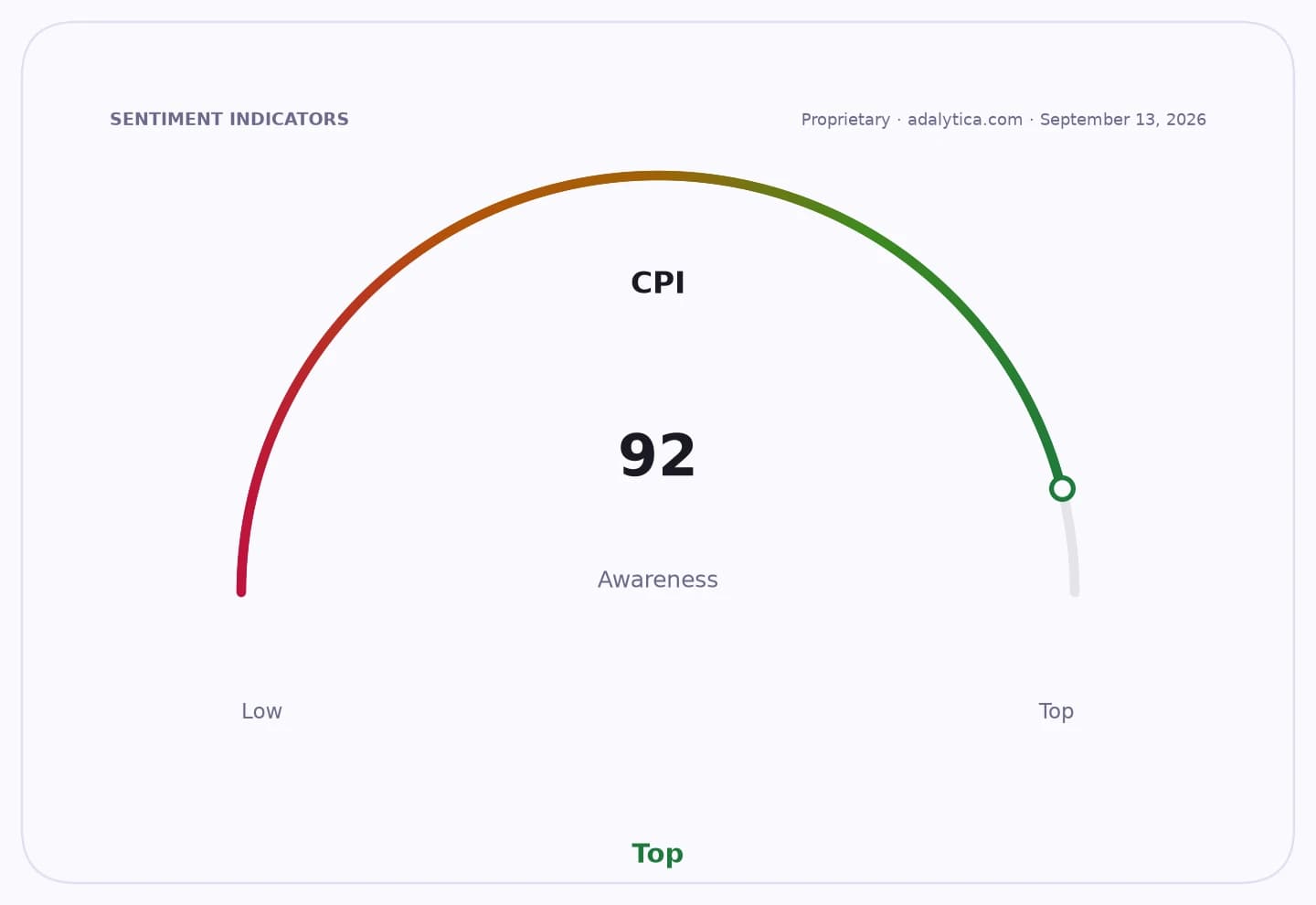
Inflation-linked bond ETFs are doing exactly what long-term investors want from them right now: offering a way to defend purchasing power without pretending they are a free lunch.
That matters because the investment case for these funds is not just about whether inflation is high today. It is about where inflation, real yields, and interest rates go next. With the 10-year U.S. Treasury yield around 4.95% and the U.S. 2-year/10-year spread still positive but narrow at about 0.33 percentage point, the bond market is pricing a world where inflation risks have not disappeared, but neither have the headwinds from higher real rates. For investors, that is the exact environment where inflation-protected ETFs such as the iShares TIPS Bond ETF, Vanguard Short-Term Inflation-Protected Securities ETF and Schwab U.S. TIPS ETF can play a useful role.
The basic appeal is straightforward. These ETFs hold inflation-linked government bonds, known in the U.S. as Treasury Inflation-Protected Securities, or TIPS, whose principal rises with the consumer price index and whose coupons are paid on that adjusted principal. In plain English, they are built to help investors preserve real value when prices keep climbing. In Europe, the same logic applies to euro-linked inflation bonds, which is why currency and benchmark choice matter. A U.S.-focused TIPS fund protects against U.S. inflation, not the price pressure facing households in the euro area.
But investors should not confuse inflation protection with guaranteed price gains. That is the most important thing to understand. ETF prices move based on what the market expects, not just what has already happened. If higher inflation is already embedded in bond prices, the ETF may not rally much even if inflation prints remain elevated. Real yields matter just as much. When real rates rise, inflation-linked bonds can fall alongside conventional bonds, especially when portfolio duration is long. That is why shorter-duration funds tend to be less sensitive to rate shocks and often behave better when inflation and yields are both moving around.
The latest price action in the biggest U.S. inflation-linked funds shows that tension in real time. TIP, the large iShares TIPS ETF, closed at 105.84, below its 50-day and 200-day moving averages, with a relative strength index around 27.4, a reading that suggests the fund has been under pressure. VTIP, Vanguard’s short-term version, held up better but still slipped to 49.50, while SCHP, Schwab’s fund, fell to 25.59. Those moves do not mean inflation protection is broken. They do mean investors are paying close attention to duration, real yields and how much protection they are already getting in the price.
The economic backdrop still argues for keeping these funds on the radar. U.S. consumer prices are still rising, and the bond market is trying to balance that against the possibility that the Federal Reserve may eventually ease policy if growth softens. That is where inflation-linked ETFs can shine as a portfolio ballast. They are not designed to beat stocks over time. They are designed to reduce the damage from a nasty mix of inflation and disappointing real returns.
That makes them especially relevant for conservative savers, retirees and anyone building a diversified portfolio for the next decade, not the next quarter. If you are already heavily exposed to equities, inflation-linked bond ETFs can add a different return driver and a different kind of protection. If you are trying to replace stocks with them, you are likely asking the wrong question. Inflation-protected bonds are a defensive tool, not a growth engine.
Investors also need to think about portfolio construction. The shorter the average maturity, the more the fund’s return tends to be driven by inflation adjustment and the less it is dominated by interest-rate swings. And because some euro-area sovereign inflation bonds include deflation protection at maturity, these funds can still have value even when price pressures fade. In other words, they are not just a bet on inflation staying hot. They are a way to avoid being structurally underpaid if prices rise again after a cooling spell.
For long-term investors, that is the real narrative here: inflation-linked bond ETFs are less about chasing a trade and more about owning a rule-based hedge that can quietly do its job over years. They will not make you rich, and they will not protect you from every rate shock. But in a portfolio built for compounding, that kind of resilience is often worth more than excitement. If you want capital preservation with a built-in inflation anchor, they remain worth watching.
| Entity | Gains | Losses |
|---|---|---|
| Inflation-linked bond ETF holders | ▲Better purchasing-power protection | ▼Lower upside than stocks |
| Short-duration TIPS funds | ▲Less rate sensitivity | ▼Less inflation kick |
| Long-duration TIPS funds | ▲More inflation linkage | ▼Bigger losses from rising real yields |
| Conventional bond investors | ▲Simpler fixed income exposure | ▼No direct inflation hedge |