TLT at 82.72 as Treasury yields stay elevated

Treasury Secretary Scott Bessent’s defense of Kevin Warsh comes as investors are being asked to live with something markets have not had to price in for years: less Fed hand-holding and more uncertainty about where interest rates go next.
That matters because the era of constant central-bank guidance helped anchor everything from bond yields to equity valuations. If policymakers deliberately step back, price discovery gets rougher — and that can be healthy over time, even if it hurts in the short run.

The market backdrop already shows that investors are adjusting to a more demanding rate environment. The 10-year Treasury yield has climbed to about 4.75%, while the Fed funds rate sits around 3.63%, still high enough to keep financial conditions restrictive. The gap between the 10-year and 2-year yield is just 0.45 percentage point, a reminder that the curve is no longer screaming recession, but also not offering easy relief.
That is the kind of setting Bessent appears to be embracing when he talks about a “detox” from too much Federal Reserve guidance. In practice, it suggests a policy regime that tolerates more market discipline and less reassurance — a view that could fit Warsh, who has long been associated with a more skeptical stance on central-bank intervention.
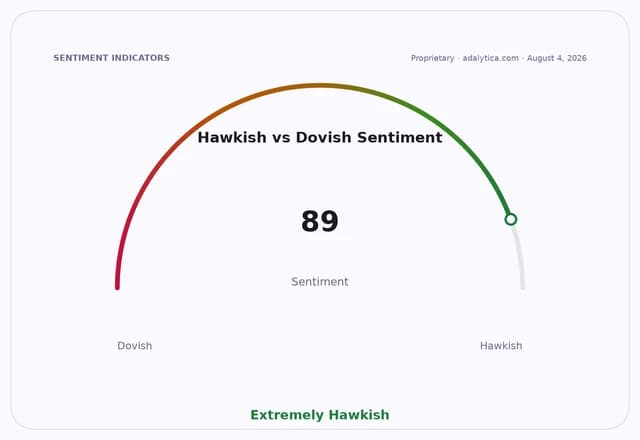
Investors have already started to lean into the idea that the Fed may keep shrinking its footprint. Adalytica’s Federal Reserve Forward Guidance Sentiment index is deep in “Extreme Fear,” while its market expectations gauge for rate decisions has moved higher, signaling that traders are bracing for a different kind of policy path. At the same time, quantitative tightening sentiment is elevated, underscoring that balance-sheet runoff remains part of the story even if the debate shifts toward cuts and communication.
For stocks, that mix cuts both ways. Large, cash-rich companies with resilient earnings can usually absorb higher rates better than speculative names, which is one reason the S&P 500 has held up even as yields moved higher. But expensive growth stocks, rate-sensitive sectors and long-duration assets such as long-term Treasuries remain vulnerable if the Fed stays more withdrawn than investors are used to.
That helps explain why the iShares 20+ Year Treasury Bond ETF, TLT, has been struggling to hold ground even after brief rebounds. The fund closed at 82.72 on Aug. 4, still below its 50-day average and well under its 200-day average, a sign that bond investors have not yet embraced a big easing cycle. By contrast, the SPDR S&P 500 ETF Trust, SPY, has pushed to 770.10 and sits above both its 50-day and 200-day averages, showing equity investors are still willing to pay for growth and earnings durability.
The bigger lesson for long-term investors is that this debate is less about one policymaker than about the market regime itself. A world with less Fed guidance rewards patience, diversification and balance-sheet strength. It also punishes the habit of assuming central banks will always step in to smooth every turn.
If Bessent is right, the “detox” may be uncomfortable — but it could also leave markets healthier, with rates, credit and valuations doing more of the work they were supposed to do all along. For investors, that means favoring businesses that can compound through a less forgiving policy backdrop and keeping Treasury and equity exposure diversified for the years ahead.
| Entity | Gains | Losses |
|---|---|---|
| Value stocks | ▲Higher relative appeal | ▼Less policy support for speculative names |
| Long-term Treasury bulls | ▲Potential if cuts arrive faster | ▼Higher yields and weak TLT price action |
| Cash-rich mega-cap stocks | ▲Better ability to absorb rates | ▼Nothing much, if earnings hold |
| Speculative growth stocks | ▲Possible if easing returns | ▼Higher discount rates and less Fed reassurance |