Toronto home sales rose in July for fifth month

Toronto home sales rose in July for a fifth straight month, a sign that lower borrowing costs are starting to pull buyers back into Canada’s biggest housing market even as affordability remains stretched.
The run of gains matters because housing has been one of the clearest transmission channels from monetary policy to the real economy. After two years of rate shock and a sharp reset in prices, a steadier sales trend suggests demand is no longer frozen by financing costs. That can support household spending, stabilize broker and developer cash flows, and help set a floor under broader Canadian residential activity.

The Toronto data also fits a wider national pattern of gradual healing rather than a snapback. The benchmark national home price index has been edging higher, with the latest reading up from the lows seen earlier in the cycle, while Toronto sales have now risen month after month even as the market remains well below the frenzy of the pandemic period. A forecast for July pointed to a slight monthly pullback, underscoring that the recovery is uneven and still sensitive to interest-rate expectations.
For investors, the implications run across housing-linked trades. Better transaction volumes tend to help real-estate brokerages, mortgage lenders, title and moving-related services, while also improving sentiment around homebuilder activity. That is the backdrop for the recent resilience in U.S.-listed housing ETFs such as XHB and ITB, which have both held above their 50-day moving averages in recent sessions, even after periods of sharp volatility. The rebound in Toronto does not guarantee a breakout, but it strengthens the case that housing demand is responding to a less punitive rate environment.
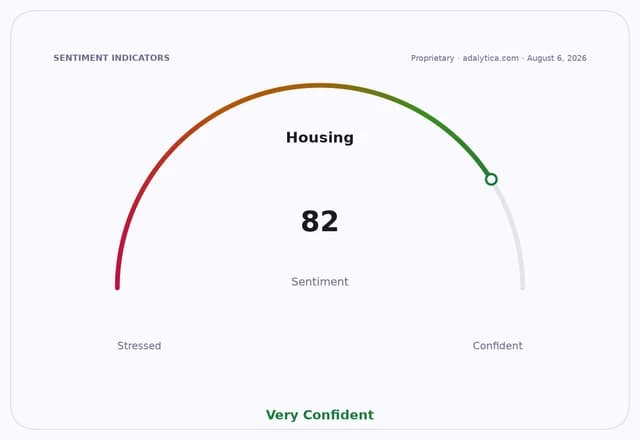
There is still a bear case. Inventories remain a constraint, price affordability is still poor relative to income, and any renewed rise in bond yields could quickly cool the rebound. Canada’s 10-year yield has been hovering around the mid-4% range, leaving mortgage costs elevated by historical standards. That means the recovery is likely to remain incremental rather than explosive.
The key test now is whether the fifth straight monthly increase in sales becomes a durable trend or just a summer lift. If borrowing costs keep easing and confidence holds, Toronto’s housing market could move from stabilization toward modest expansion. If not, the July gain may prove to be another brief pause in a market still searching for a firm footing.
| Entity | Gains | Losses |
|---|---|---|
| Toronto homebuyers | ▲More choice, better financing | ▼Still-high affordability barriers |
| Realtors and brokerages | ▲Higher transaction volumes | ▼Slower commissions if demand fades |
| Homebuilders | ▲Firmer sales outlook | ▼Higher rates if yields rise again |
| Bondholders / rate-sensitive sellers | ▲Easing mortgage stress | ▼Borrowers if borrowing costs re-accelerate |