Towercom Keeps Slovakia DVB-T Frequencies Through 2029
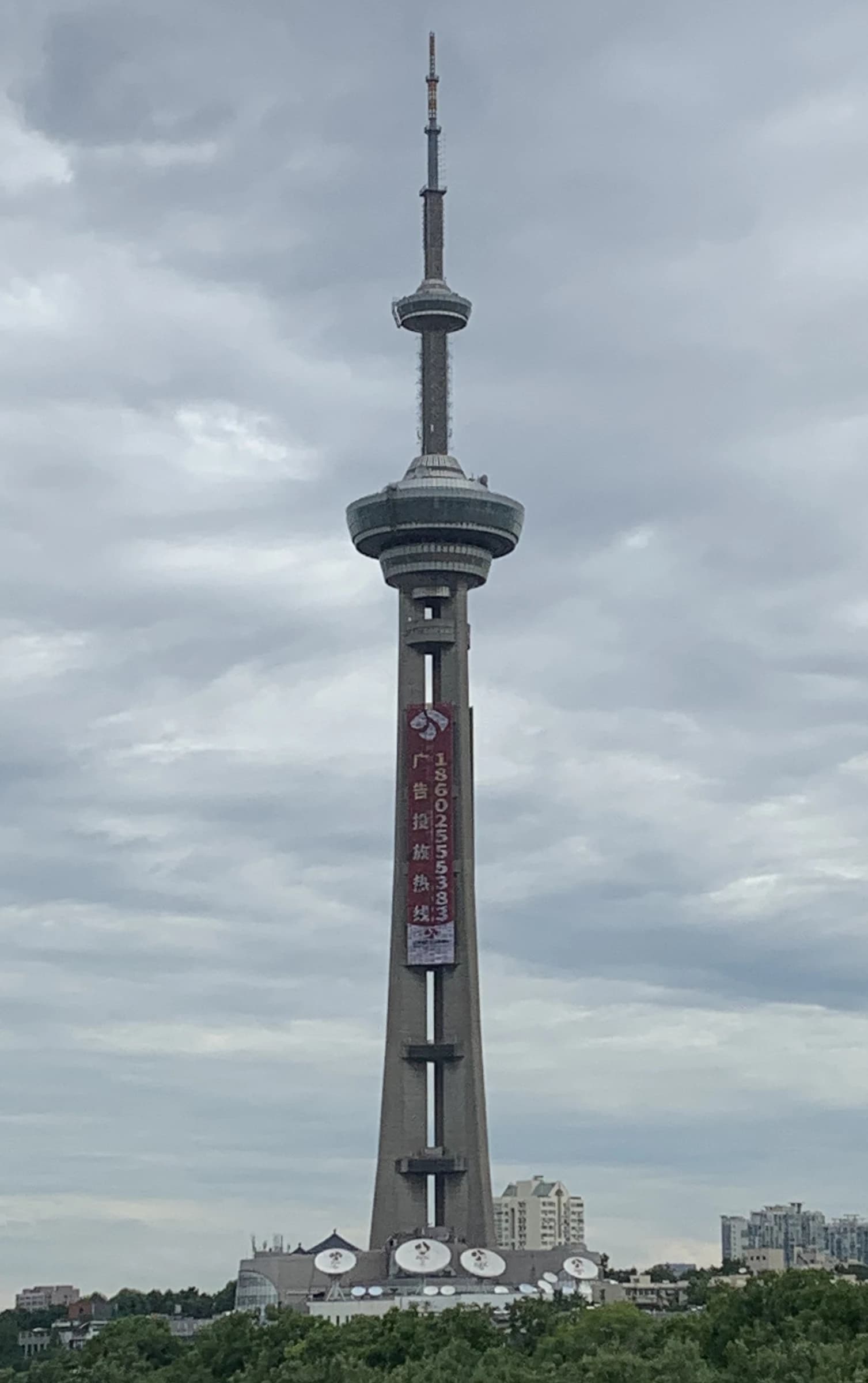
Aerial television in Slovakia is not disappearing anytime soon, because regulators have effectively decided that the frequencies used for DVB-T will stay with broadcast TV for several more years rather than being handed over to mobile operators.
That matters because spectrum is one of Europe’s most valuable industrial assets. Frequencies below 1 GHz travel farther and penetrate buildings better, making them prime real estate for mobile networks, but Slovakia is choosing continuity over a near-term auction or reallocation. The result is a delayed handoff that preserves the economics of terrestrial television while pushing back a potential boost for wireless carriers hungry for more low-band capacity.
The clearest beneficiary is Towercom, which holds Slovakia’s nationwide DVB-T licenses through the end of 2029. The regulator has signaled that it does not plan to repurpose the band in the near term and would likely renew the rights if Towercom is the only applicant. That gives the company a more stable revenue runway than the market for over-the-air TV might otherwise imply, especially as the state says it wants certainty around its contracts with Slovak Television and Radio.
For investors, the bigger point is that this is not just a local broadcast story. Spectrum policy across Europe is being shaped by what neighboring countries do next, and Slovakia is explicitly pointing to the Czech Republic, Austria, Poland and Hungary, where terrestrial TV is expected to remain in place until at least 2033 or 2034. That regional backdrop reduces the odds of an early spectrum release and keeps the 600 MHz band tied up in broadcast use longer than mobile operators would prefer.
The timing also weakens the case for new entrants. Under the current system, a bidder can seek renewal only about six months before a license expires, which means the formal decision comes late in 2029. Building a competing nationwide network for a license that might last only a few years would be uneconomic, so Towercom looks like the natural winner again if it applies.
The investment implication is straightforward: the market should stop pricing terrestrial TV frequencies as an imminent mobile windfall. The more realistic catalyst is a later, phased transfer of some spectrum to operators after the current broadcast cycle ends, while broadband and mobile groups keep watching for lower-band capacity that can strengthen coverage and indoor reception. Until then, the defensive cash flow belongs to the incumbent broadcast infrastructure owner, not the telecom carriers waiting for spectrum to clear.
| Entity | Gains | Losses |
|---|---|---|
| Towercom | ▲License stability | ▼Near-term reallocation risk |
| Slovak terrestrial TV viewers | ▲Continuity of service | ▼Faster spectrum modernization |
| Mobile operators | ▲Future spectrum optionality | ▼Delayed access to 600 MHz |
| TV spectrum auction hopes | ▲Deferred uncertainty | ▼Immediate monetization opportunity |