Toyota tops Nikkei Research brand index
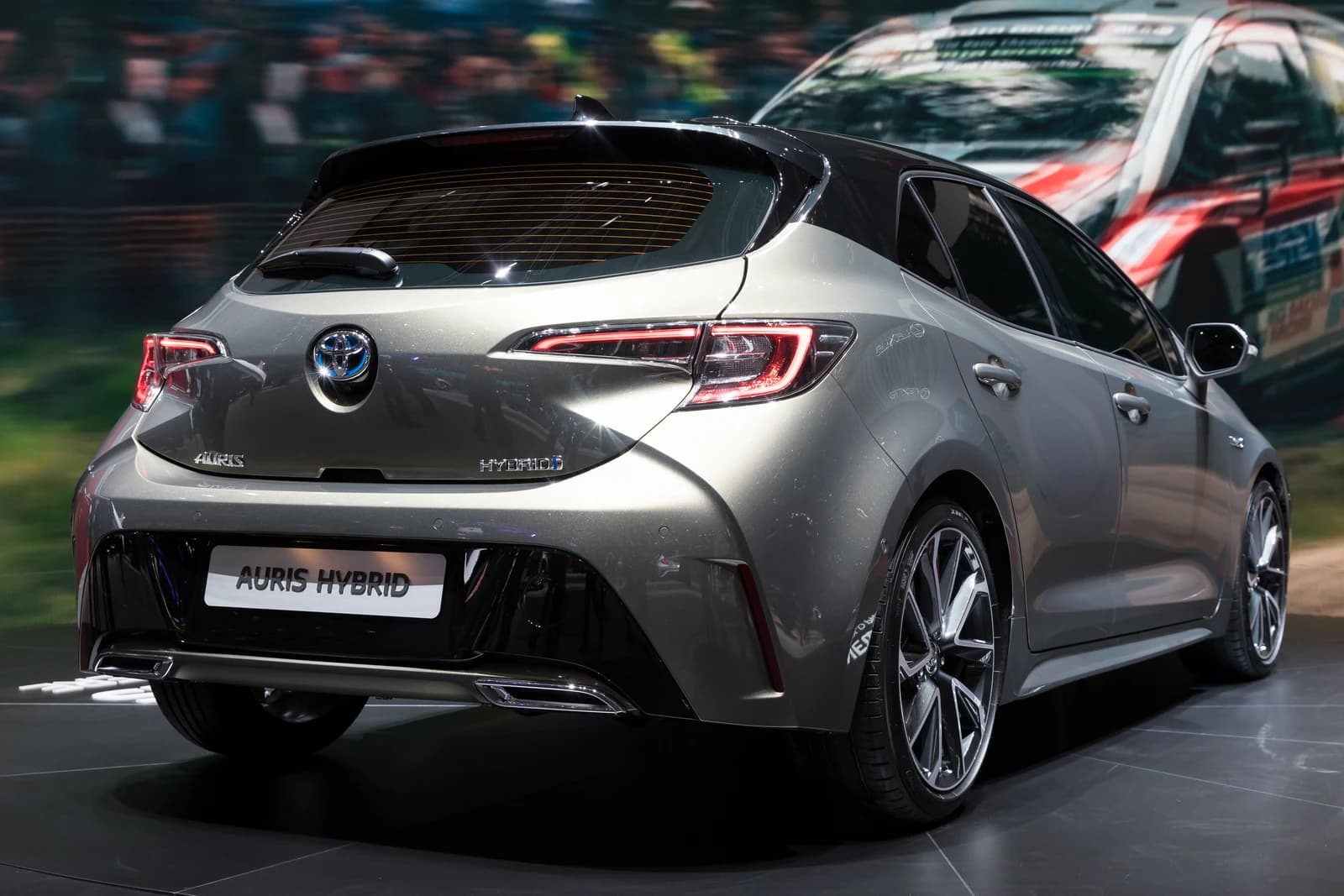
Toyota’s ability to stay atop a new Nikkei Research brand index matters because, in a car market being reshaped by tariffs, electrification and intense price competition, brand trust is increasingly a pricing asset as much as a marketing metric. For Toyota, the No. 1 ranking reinforces a core advantage that can support volume, margins and financing power even as rivals spend heavily to catch up.
The ranking is part of a broader reminder that brand equity remains one of the few durable defenses in an industry where product cycles are shorter and technology gaps can close quickly. Toyota has long been rewarded by buyers for reliability, resale value and a broad model lineup, but the new index suggests that those perceptions still translate into measurable corporate strength. That matters for investors because strong brand power can lower customer acquisition costs, support residual values and help preserve operating profit when discounts rise.

Toyota’s shares have also reflected that resilience. The stock last closed at 3,031 yen in Tokyo, above its 50-day moving average of 2,993.12 yen, with RSI readings of 42.1 suggesting the shares are neither overheated nor washed out. The U.S.-listed ADRs closed at $192.48, also above the 50-day average of $186.45, after recovering from earlier weakness. That positioning matters because brand leadership can help anchor sentiment when the market is weighing the company’s exposure to the U.S. dollar, global demand and the cost of pushing deeper into hybrid and battery-electric offerings.
The narrative behind the ranking is straightforward: buyers still reward the carmaker that feels safest, easiest to own and least likely to disappoint. That gives Toyota a useful edge at a time when many automakers are fighting for share with incentives, new technology and higher leverage. In emerging markets, where affordability and reliability often matter more than premium features, the company’s brand strength can be especially valuable. The refreshed Vios, with updated styling, Toyota Safety Sense on key trims and a government-backed registration incentive, shows how Toyota continues to convert that trust into sales support at the lower end of the market.
For investors, the bull case is that Toyota’s brand power helps defend earnings through the cycle, especially if pricing remains firm and hybrids keep attracting buyers wary of pure EV risk. The bear case is that brand leadership alone may not offset pressure from currency swings, higher R&D spending and the need to compete more aggressively in software-defined and electric vehicles. The key point is that Toyota’s top ranking is not just a reputational win; it is evidence of a commercial moat that can still matter in a crowded, capital-intensive global auto industry.
What to watch next is whether Toyota can convert that brand strength into sustained margin performance as it refreshes models, expands safety features and navigates shifting demand in Japan, the U.S. and key Asian markets. If it does, the ranking will look less like a survey result and more like a leading indicator of staying power.
| Entity | Gains | Losses |
|---|---|---|
| Toyota | ▲Stronger pricing power | ▼Rival share gains |
| Toyota shareholders | ▲Margin support | ▼Higher capex risk |
| Competitors | ▲Benchmark pressure | ▼Brand ranking setback |
| Buyers | ▲Trusted product value | ▼Fewer discount bargains |