Travel demand is holding up even as inflation keeps making trips more expensive, and that is exactly why investors should pay attention to Booking Holdings, Marriott, and Trip.com Group. When consumers keep spending on experiences despite higher prices, it tells you the travel business still has real pricing power — but it also warns that the next leg of growth may be more selective, more volatile, and more dependent on affluent travelers than on bargain hunters.
Travel Demand Holds as Premium Brands Lead

That matters economically because travel is one of the clearest windows into household confidence. The latest inflation data show prices are still elevated, with headline consumer inflation around 3% annualized in the most recent readings, while core inflation remains stickier. At the same time, unemployment is still low by historical standards, near 4.2%, which helps explain why consumers continue to book hotels, flights and resorts even when the bill stings. In plain English: people are still spending, but they are becoming more price-sensitive.
Sentiment IndicatorsⓘProprietary · adalytica.com · July 18, 2026
This is a snapshot — live sentiment, awareness and momentum for 130+ markets update continuously in the dashboard.Open AlphaPulse
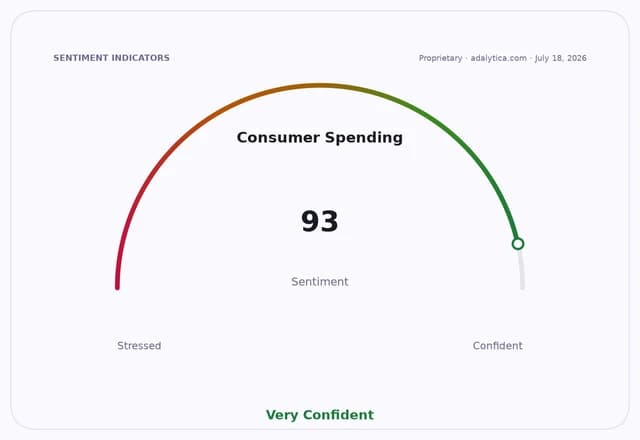
That split shows up in the market. Booking Holdings has outperformed over the past year, and Marriott has also held up well, reflecting the value investors place on brands with strong distribution, loyal customers and the ability to pass through higher rates. Trip.com, by contrast, has been far more volatile, a reminder that travel demand is not one thing — it depends on geography, exchange rates and the mix of customers. The 50-day and 200-day moving averages for these stocks suggest the group has not been in a straight-line advance, but the longer-term trend still favors companies that can convert travel demand into free cash flow.
For long-term investors, the key idea is simple: travel remains a secular winner, but not every part of travel wins equally. Premium hotels and online booking platforms can benefit when consumers trade up or book last-minute. Resort operators and airlines can be hurt when inflation eats into discretionary budgets. That makes the category attractive, but only for investors who can separate durable franchises from cyclical names.
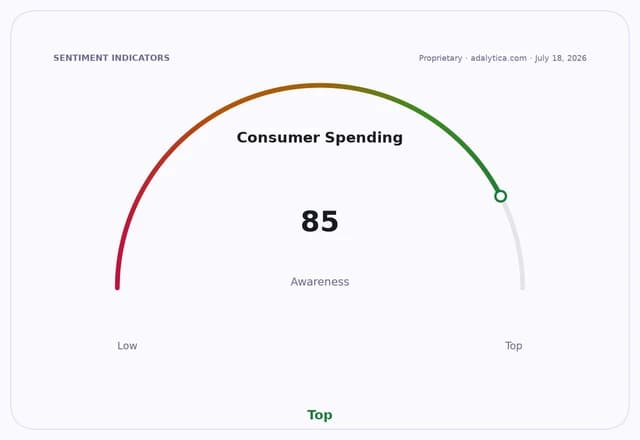
The bigger story is not whether people will stop traveling. They won’t. The real question is who captures the spending when travelers have to be choosier. Companies with strong brands, global reach and efficient digital channels are best positioned to keep compounding through the cycle. For patient investors, this remains a space worth watching — and in the strongest names, worth holding for years, not weeks.
| Entity | Gains | Losses |
|---|---|---|
| Booking Holdings | ▲Pricing power | ▼Budget travelers |
| Marriott | ▲Premium demand | ▼Discount resort operators |
| Trip.com Group | ▲Asia travel rebound | ▼FX-sensitive competitors |
| Consumers | ▲Travel access | ▼Higher vacation bills |




