U.S. Treasury 10-year auction draws strong demand

The U.S. Treasury’s 10-year note auction drew its strongest demand in more than a decade, briefly easing a bond selloff that pushed yields to levels last seen in 2007 and sharpened concern over how much more borrowing the market can absorb.
The 9-year, 11-month reopening stopped at a high yield of 4.834%, the highest since August 2007, after the Treasury had to offer a steep concession as the 10-year yield jumped as high as 4.85% following a disappointing $6 billion buyback announcement. The auction stopped through the when-issued level by 1.5 basis points, the biggest stop-through since April, signaling investors were willing to step in even after a sharp selloff.
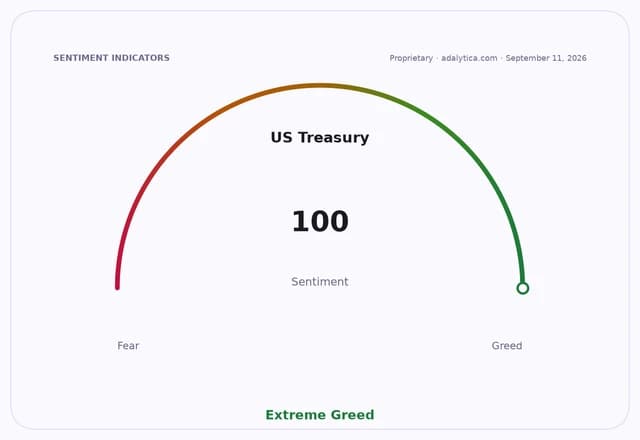
Demand metrics were notably strong. The bid-to-cover ratio rose to 2.713, up from 2.532 in August and the highest since April 2016, while indirect bidders took 79.18% of the issue, one of the highest shares on record. Primary dealers were left with just 4.31%, the lowest since late September 2025, suggesting end-investor demand absorbed supply that dealers did not want to warehouse.
The auction mattered because it came at a moment when markets were testing the upper end of Treasury yields and investors were questioning whether government debt still carries the same safety premium. The day’s selloff had been driven in part by the Treasury’s decision to triple long-term debt repurchases to $6 billion, but the strong auction helped pull yields back from their worst levels and reduced fears of a disorderly move in the bond market.
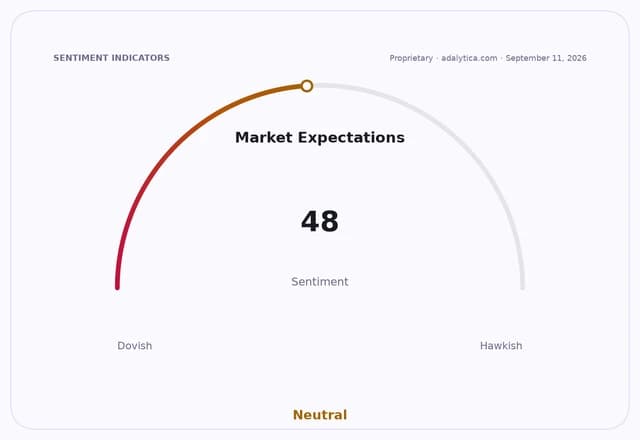
For investors, the message is mixed: demand for long-dated Treasuries is still there at the right price, but the price is higher than it has been in years. The 10-year note last yielded 4.837%, up 3.26 basis points on the session, while the broader bond market remains vulnerable to shifting Fed expectations, heavy supply and inflation-sensitive growth data.
Treasury ETFs also reflected the pressure. TLT, which tracks long-term U.S. government bonds, fell to $80.78, with its relative strength index at 36.9 and price still below both the 50-day and 200-day moving averages. IEF, the intermediate Treasury ETF, slid to $91.18, also below its 50-day and 200-day averages, underscoring how higher yields continue to weigh on bond prices even when auctions clear well.
The backdrop remains challenging. Fed policymakers have been signaling a higher-for-longer rate environment, while foreign demand is under scrutiny after Norway’s sovereign wealth fund said it plans to cut its $80 billion exposure to U.S. government bonds. That makes each auction a more important test of global appetite for Treasuries, especially when yields are near multi-year highs.
| Entity | Gains | Losses |
|---|---|---|
| Treasury bidders | ▲Buy at higher yields | ▼Face mark-to-market losses if yields rise |
| Indirect bidders | ▲Secure large allocation | ▼Accept lower prices for duration risk |
| Primary dealers | ▲Less inventory to warehouse | ▼Miss out on auction allocation |
| Bond bears | ▲Higher yield trend validated | ▼Risk squeeze from strong auction demand |