Treasury Yields Rise as Brent Crude Tops $100

US Treasury yields edge higher as Brent crude breaks above $100 a barrel, reviving inflation concerns and pressuring bond prices even as investors keep a close watch on how long the oil shock lasts.
The 10-year Treasury yield rises to 4.83% and the 2-year yield to 4.43%, both near their latest highs, as the jump in energy costs raises the risk that inflation cools more slowly than hoped. Higher oil prices tend to feed through to transport, manufacturing and consumer costs, complicating the path for the Federal Reserve and other central banks that were already trying to balance sticky inflation against slowing growth.

The move hits the bond market first. TLT, the iShares 20+ Year Treasury Bond ETF, falls to $80.78 on heavy volume of 60 million shares, extending a decline from $82.20 two sessions earlier as long-duration bonds lose appeal when inflation expectations firm. Technical readings also show the ETF below its 50-day and 200-day moving averages, with RSI at 36.9, reflecting persistent pressure on Treasuries.
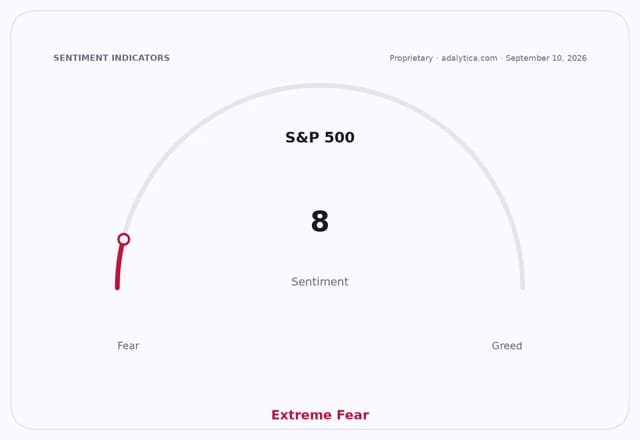
Oil’s surge adds to a broader risk-off setup across markets. SPY sentiment in Adalytica’s trade signals is in “Extreme Fear,” while Treasury-bond sentiment is at “Extreme Greed,” a combination that points to investors rotating toward havens and away from equities as geopolitical tensions in the Middle East keep energy supply risks elevated.
The economic impact extends well beyond trading desks. A sustained oil move above $100 would lift headline inflation, support breakeven inflation expectations and make it harder for policymakers to justify quicker rate cuts, especially if core prices stay sticky. That leaves rate-sensitive assets, from duration-heavy bonds to high-multiple equities, vulnerable if energy prices stay elevated into the next inflation prints.
| Entity | Gains | Losses |
|---|---|---|
| Oil producers | ▲Higher revenue | ▼None from higher crude |
| Treasury bulls | ▲Flight-to-safety demand | ▼Falling bond prices |
| Consumers | ▲None | ▼Higher fuel and transport costs |
| Rate-sensitive stocks | ▲None | ▼Valuation pressure from yields |