Treasury yields stay high as inflation and AI spending persist
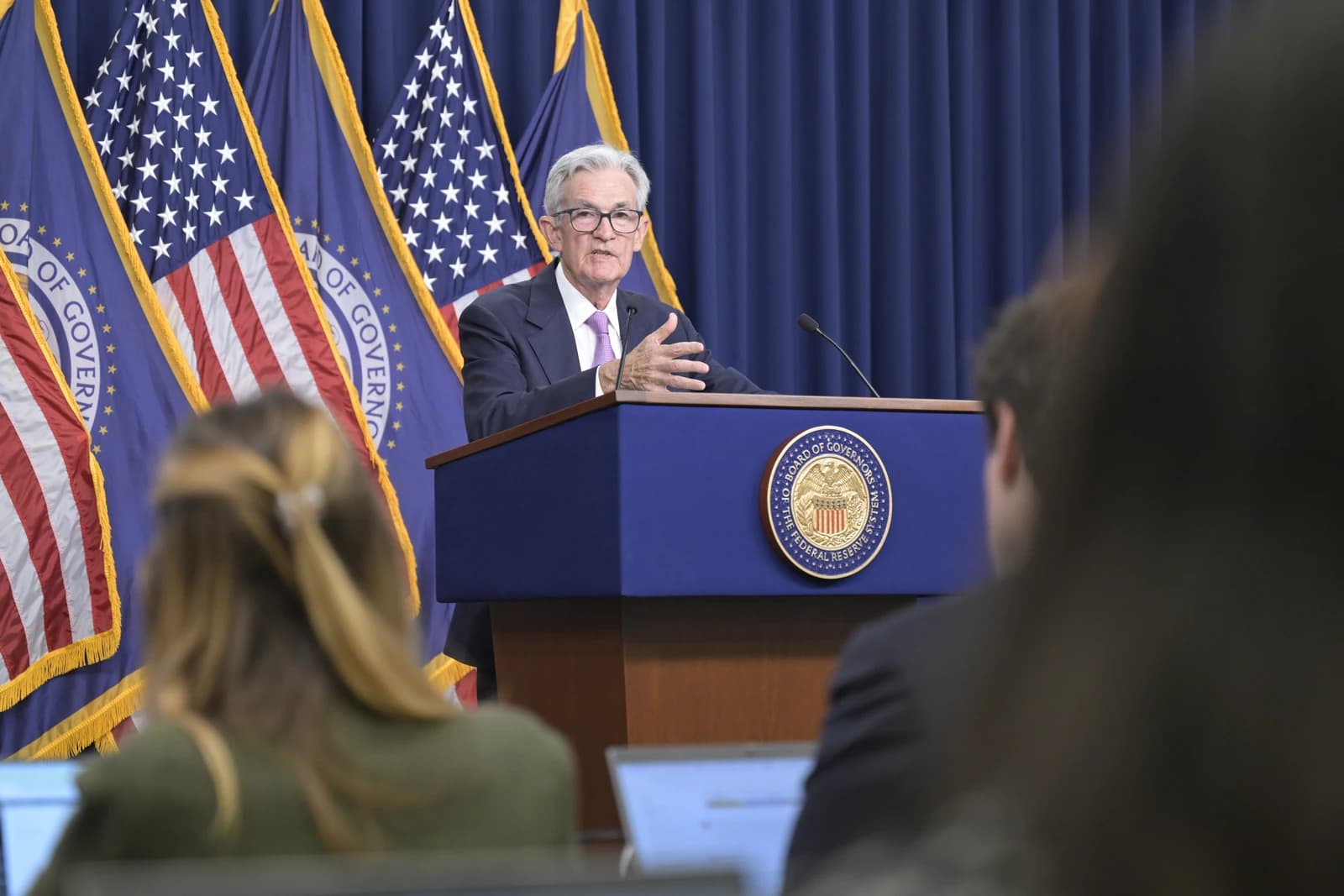
The Federal Reserve’s latest rate hike lands in an economy where inflation is still running hot and growth is no longer weak enough to keep borrowing costs low for long.
That is the bigger message for investors than the move itself. Economists say the U.S. has shifted out of the low-rate, low-inflation regime that defined much of the post-crisis period and into a pricier world shaped by persistent price pressures, heavy government borrowing and a wave of private capital spending, especially on AI infrastructure.

The change matters because it pushes up longer-term rates even when the Fed is not the only force at work. The 10-year Treasury yield topped 5% this year for the first time since 2023, while the average 30-year mortgage rate reached 6.95% last week, the highest in more than a year and a half. That leaves households, companies and the government facing a higher cost of capital, with less room for the kind of cheap leverage that supported the 2010s expansion.
The growth side of the story is just as important. Retail sales have picked up, Bank of America sees July-September GDP growth at a 3% annual rate, and the broader economy is still expanding despite repeated shocks. At the same time, inflation remains stubbornly above the wage gains that many households rely on, keeping affordability pressure high even as asset prices have risen.
Big tech is now part of the inflation story. Alphabet’s Google, Meta and other firms are pouring cash into data centers and borrowing more to fund AI buildouts, competing with the federal government for bond buyers. That spending boom is supporting growth, but it is also lifting demand for credit and helping keep Treasury yields elevated.
Fed Chair Kevin Warsh framed the shift last month in Jackson Hole, saying the era when capital sat idle because there were too few investment opportunities is over. “Ever-expanding pools of capital are pouring into AI-related infrastructure of all sorts,” he said.
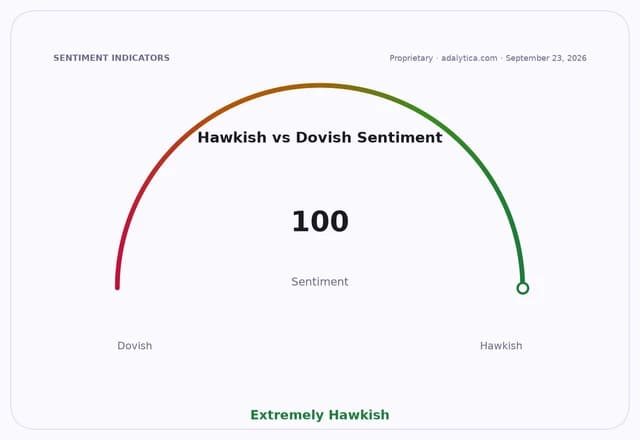
For markets, that means the old playbook has changed. Long-duration assets and rate-sensitive sectors are more exposed to a world where inflation is sticky, growth is steadier and the Fed has less power to set the tone for borrowing costs. On Wednesday, Treasuries were already reflecting that reality; TLT, the iShares 20+ Year Treasury Bond ETF, closed at $80.29, with its price below both the 50-day and 200-day moving averages and its relative strength index in weak territory.
President Donald Trump’s pushback against the Fed after the hike underscores the political pressure around rates, but economists say the deeper driver is structural, not just policy. Unless inflation cools more convincingly or investment demand eases, investors may have to live with higher yields and higher mortgage rates for longer.
| Entity | Gains | Losses |
|---|---|---|
| Banks/lenders | ▲Higher lending spreads | ▼Rate-sensitive borrowers |
| Treasury bond buyers | ▲Higher yields | ▼Existing bondholders |
| Big tech AI builders | ▲Growth investment runway | ▼Cash flow and borrowing costs |
| Homebuyers/consumers | ▲None | ▼Higher mortgage and credit costs |