Treasury Yields Pressures Nasdaq Megacap Tech
Rising Treasury yields are again pressuring the market’s biggest growth names, with the 10-year US note climbing to 4.81% and Japan’s benchmark yield hitting its highest level since 1996 as investors reassess inflation, deficits and the cost of capital.
The move matters because higher long-term borrowing costs feed directly into equity valuations, especially for technology and other stocks whose earnings are expected far in the future. It also raises financing costs across the economy, from mortgages and corporate loans to the debt used to fund data centers and artificial intelligence buildouts.
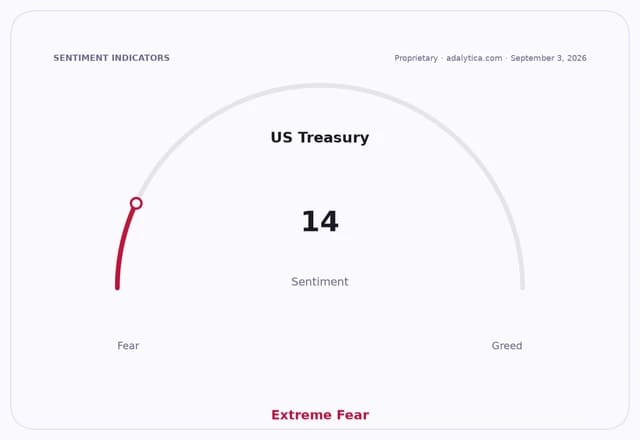
The Nasdaq Composite has fallen nearly 4% from its June record, while the Nasdaq 100 was set for a softer open after dropping 1% on Tuesday. The S&P 500 and its tech-heavy peers have been vulnerable as investors rotate away from duration-sensitive stocks and toward assets less exposed to rate risk.
The bond selloff is global. Yields have pushed to multi-year or multi-decade highs in the US, Japan, France, Germany and the UK as oil prices approach $95 a barrel and geopolitical tensions add fresh inflation risk. Japan’s 10-year government bond yield briefly rose to 3.015%, its highest since September 1996, while the US 30-year yield sat at 5.26%.
For investors, the concern is twofold: higher rates reduce the present value of future earnings and make it more expensive for companies to borrow. That hits capital-intensive megacap tech companies in particular, including firms funding AI infrastructure with debt rather than free cash flow.
Fed messaging is adding to the pressure. New York Fed President John Williams said the recent jump in yields reflects a stronger economy rather than market dysfunction, while recent hawkish comments from policymakers have lifted expectations for another rate increase. Fed-sensitive assets have already started to respond, with the Russell 2000 and Nasdaq 100 both falling 1.3% on Tuesday.
Treasury traders and equity investors now face a dense run of catalysts, including US payrolls, factory orders and inflation data. If yields stay elevated, the strain on high-valuation stocks could deepen; if economic data cools, bond markets may ease some of the pressure.
| Entity | Gains | Losses |
|---|---|---|
| Treasury bears | ▲Higher yields, stronger pricing power | ▼Lower bond prices |
| Value/cyclical stocks | ▲Relative appeal vs. growth | ▼Less immediate benefit if rates keep rising |
| Nasdaq megacap tech | ▲— | ▼Valuation compression, higher borrowing costs |
| Borrowers and consumers | ▲— | ▼More expensive loans and refinancing |