Treasury yields near 4.95% before PPI data

U.S. Treasury yields were little changed on Thursday as investors waited for wholesale inflation data that could decide whether the Federal Reserve keeps its easing path intact or pushes back against market expectations.
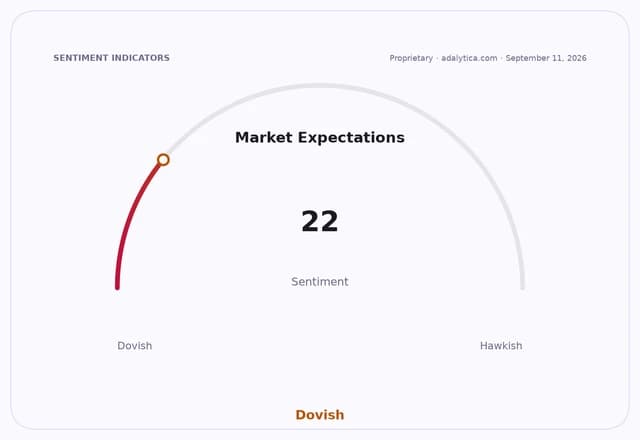
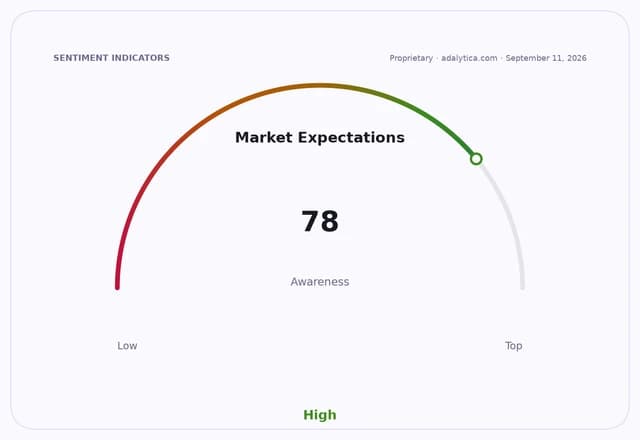
The 10-year Treasury yield was steady near 4.95%, a level that keeps pressure on rate-sensitive assets and underscores how much inflation still matters to bondholders. The move came with the market already priced for caution: Adalytica’s market expectations gauge for Fed rate decisions showed sentiment plunging to 22, from 48 a day earlier, even as awareness remained elevated at 78. In other words, traders are still watching the Fed closely, but they are no longer leaning aggressively into a dovish outcome.
That setup makes the producer price index more than a routine data point. Wholesale inflation often feeds into the broader pricing debate, and after a recent run that kept core inflation sticky, any upside surprise would reinforce the case for higher-for-longer borrowing costs. The headline PPI index has been running at 287.928 in August, up from 285.181 in July, while the core measure climbed to 337.765 from 336.789. Forecasts for September point to only a marginal increase, but even a small miss or beat can move rate expectations when bond markets are this finely balanced.
For investors, the message is straightforward: duration risk is still alive. The iShares 20+ Year Treasury Bond ETF, TLT, closed at 80.87 on Sept. 11, well below its 200-day moving average of 84.5 and with RSI readings near 40, a sign the long-bond trade has not regained momentum. The 7- to 10-year area, tracked by IEF, is also under pressure, with the fund at 91.01 versus a 200-day average of 93.43. That leaves fixed-income bulls waiting for proof that inflation is cooling enough to justify a durable rally.
The broader market implication is that the Treasury market is acting as the gatekeeper for everything from equity multiples to credit spreads. If PPI comes in hot, yields can stay pinned near recent highs and prolong the squeeze on growth stocks, housing, and leveraged balance sheets. If it cools, the long end could finally get room to rally, offering relief to bonds and a possible tailwind for rate-sensitive equities.
The trade here is not about chasing a big move ahead of the release; it is about positioning for the next inflection point. A soft wholesale inflation print would strengthen the case for extending duration, while a firm one would favor cash, short-duration debt, and sectors that can live with a higher discount rate. In a market this nervous, the bond move after PPI is likely to matter as much as the number itself.
| Entity | Gains | Losses |
|---|---|---|
| Long-duration Treasurys | ▲Softer PPI, lower yields | ▼Hot inflation print |
| Short-duration bonds | ▲Fed caution | ▼Strong risk-on rally |
| Rate-sensitive stocks | ▲Cooler inflation | ▼Higher-for-longer rates |
| Inflation hedge trades | ▲Sticky producer prices | ▼Cooling wholesale inflation |