Trump $5,000 payout lifts inflation and Treasury risk

President Donald Trump’s promise of a $5,000 payout to households is adding a fresh fiscal wrinkle to a U.S. economy that is still carrying elevated inflation and a labor market that remains solid, a mix that investors are treating cautiously.
The idea matters because any broad-based cash transfer would lift household spending at a time when the Consumer Price Index is still running well above pre-pandemic norms. The CPI stood at 334.131 in August, up 0.4% from July, while the latest forecast points to a slight 0.08% decline in September — a reminder that price pressures have cooled only unevenly.
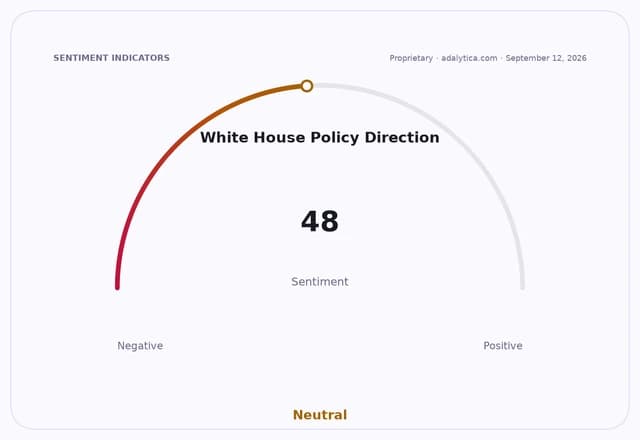
The labor backdrop is not weak enough to make a new stimulus-style payment look urgent. The unemployment rate was 4.1% in August and is forecast to edge down to 4.02% in September, while private consumption remains elevated, with retail sales excluding food services at 660,047 in July and seen rebounding to 665,993.6 in August. That leaves policymakers with less room to justify another demand boost if inflation reaccelerates.
For markets, the issue is less the size of the check than what it implies for Treasury issuance, inflation expectations and the Federal Reserve’s path. A payout financed through deficits could pressure bonds if investors conclude it widens the fiscal gap, while equities tied to consumer spending may welcome the prospect of more cash in wallets even as rate-sensitive assets face the risk of firmer yields.
The backdrop in risk assets already looks fragile. The S&P 500 ETF is trading around 764.29, above its 50-day moving average of 758.62 and well above its 200-day average of 712.06, but Adalytica’s S&P 500 trade signals show “Extreme Fear,” suggesting traders are still wary of policy shocks and macro surprises. The dollar, meanwhile, has held firmer, reflecting a market that has not fully priced an easier policy mix.
If Trump’s payout idea gains traction, investors will focus on whether it becomes a campaign promise, a negotiated fiscal proposal or simply another headline. The market reaction will hinge on whether the plan is seen as a one-off consumer boost or a more durable addition to already-loose fiscal policy.
| Entity | Gains | Losses |
|---|---|---|
| Households | ▲Extra cash flow | ▼Future inflation risk |
| Consumer stocks | ▲Higher spending support | ▼Margin pressure if costs rise |
| Treasury market | ▲— | ▼More deficit supply |
| Fed | ▲— | ▼Harder inflation fight |