Trump AI Policy Keeps Guardrails Limited
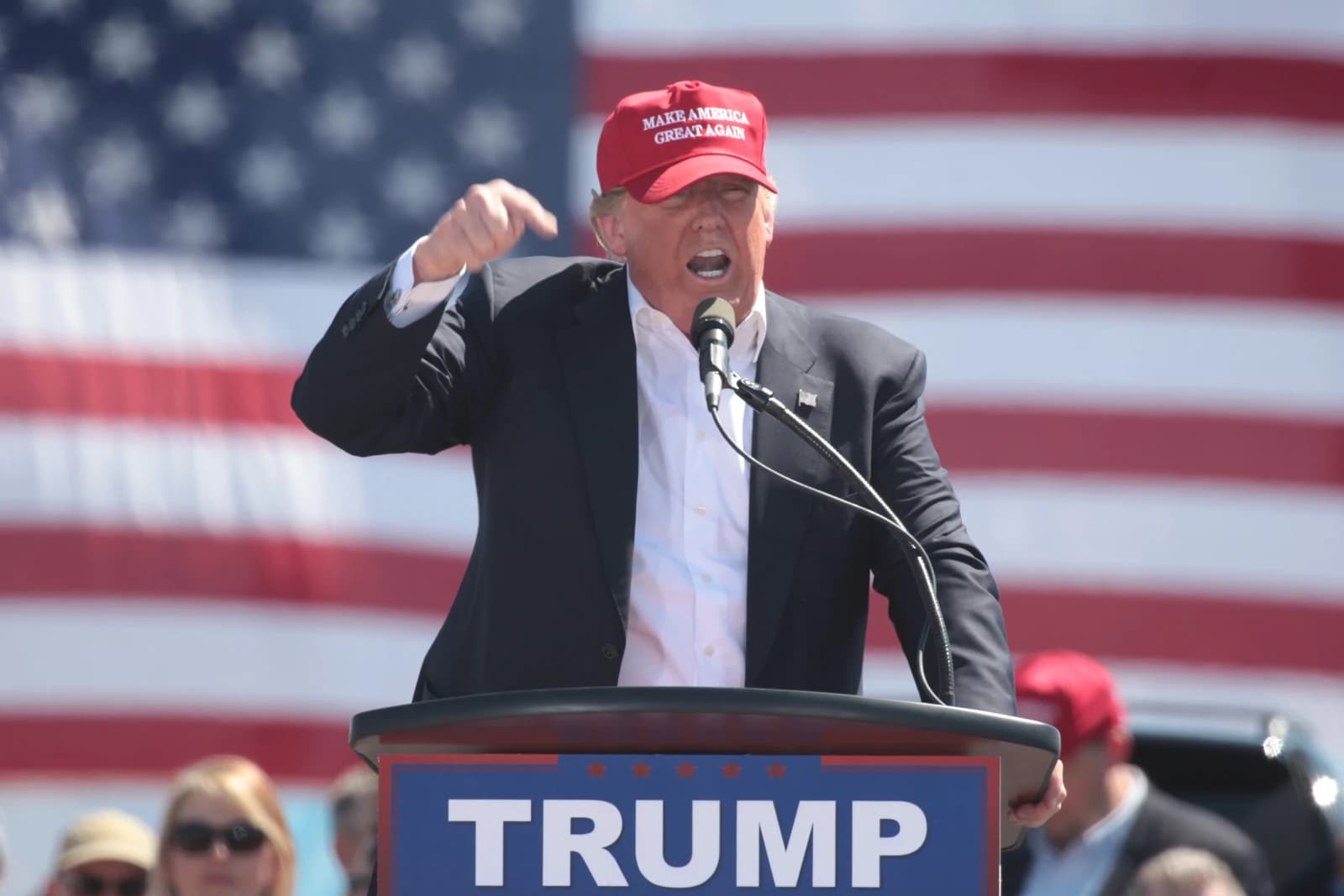
Trump is signaling that Washington will not choke off the AI boom, even as he leaves the door open to limited guardrails such as deepfake labeling and oversight of autonomous agents.
The message matters because AI has become a race-political and economic priority at the same time. The U.S. wants to keep its lead over China in advanced computing, models and chips, and the White House is showing little appetite for rules that could slow deployment or raise compliance costs for the companies building and selling the technology.
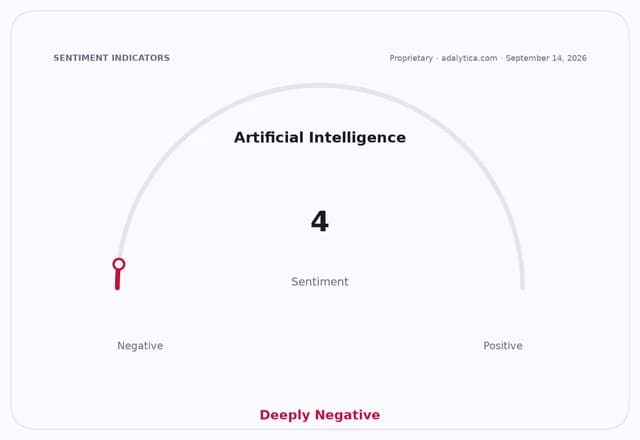
That stance is a clear support for the largest AI beneficiaries in the market, including Nvidia, Microsoft and Alphabet, which have all spent heavily to expand data centers, cloud capacity and model distribution. Investors have been increasingly pricing in a policy backdrop that favors scale and speed over restriction, even as company filings warn that AI can bring legal, privacy, product-liability and competitive risks.
The policy split also reflects a broader Washington reality: lawmakers remain divided, Congress is moving slowly and tech leaders are pressing for more visible safeguards rather than a hard stop. For the industry, that keeps the near-term path open for further capital spending, faster product rollouts and more AI monetization, while reducing the odds of a sweeping federal clampdown.
For markets, the main question is not whether AI gets regulated, but how narrowly. If guardrails remain limited, the investment case for chipmakers, cloud providers and software platforms stays intact; if pressure grows after the next deepfake scandal or model failure, regulatory risk could return quickly.
| Entity | Gains | Losses |
|---|---|---|
| Nvidia | ▲Faster AI deployment | ▼Broad federal restrictions |
| Microsoft | ▲More room for AI spending | ▼Compliance-heavy rules |
| Alphabet | ▲Less policy drag | ▼Slower AI rollout |
| U.S. consumers/safety advocates | ▲Limited guardrails | ▼Stronger oversight pushed back |