Trump eases beef tariffs for 90 days
Trump is temporarily easing tariffs on imported ground beef for 90 days, a direct attempt to cool one of the most politically sensitive components of inflation just as voters head toward the midterm elections.
That matters because food prices hit households faster than any other inflation gauge, and beef has become a flashpoint. The administration is signaling that it is willing to use trade policy to force relief at the checkout line, even if the move creates friction with domestic ranchers and exposes the limits of using tariffs as an economic tool. For investors, the message is that Washington’s inflation playbook is becoming more interventionist, with supply-side fixes favored over broad demand restraint.
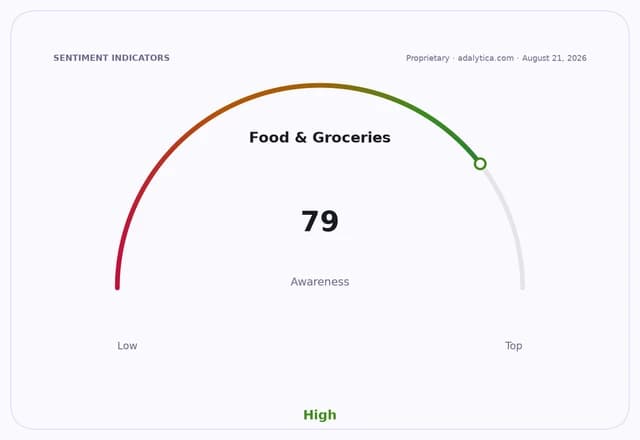
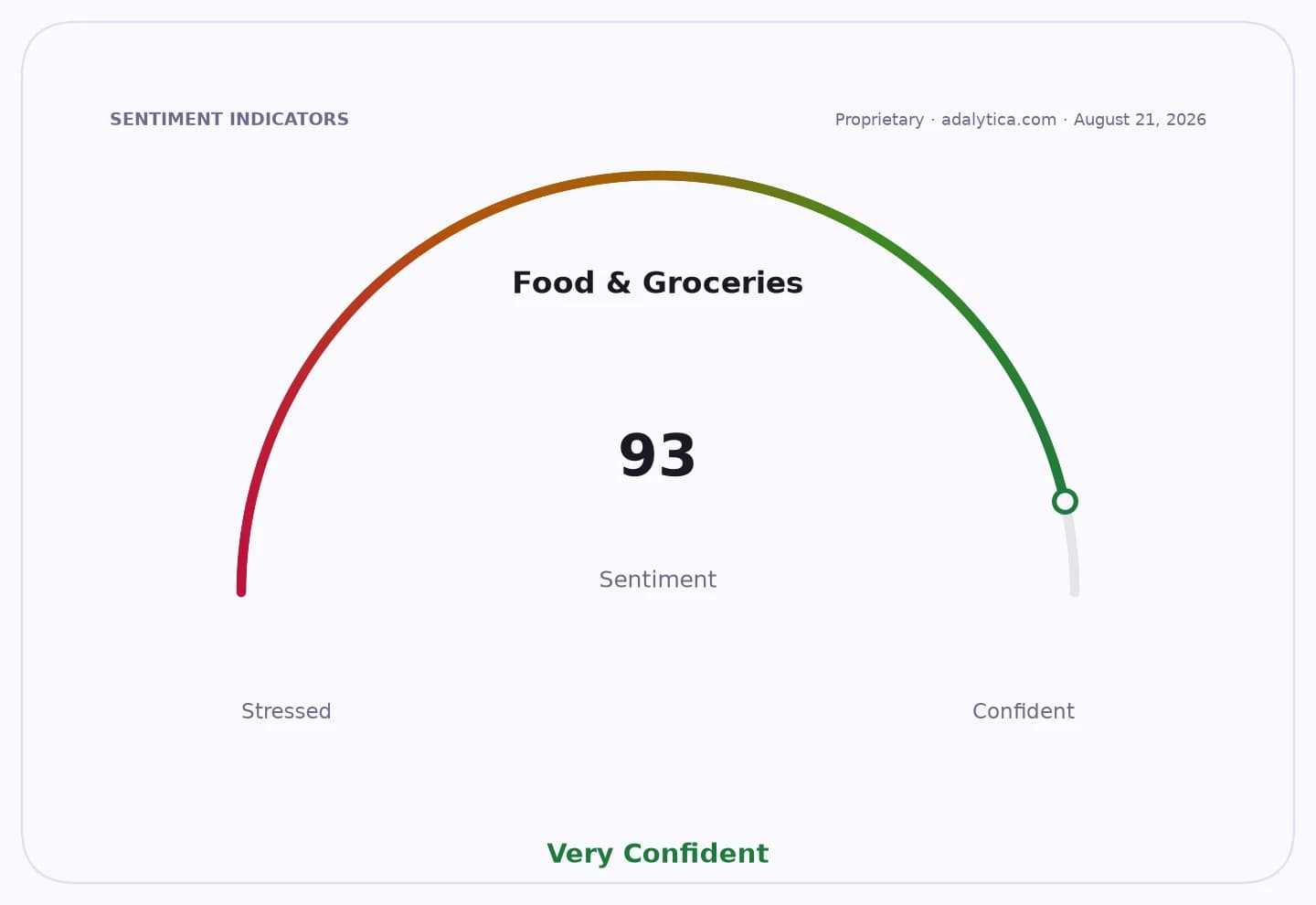
The policy comes against a backdrop of consumer anxiety that has not gone away. Adalytica’s CPI sentiment snapshot is still neutral at 54, but the gauge fell 25 points in a day and 30 points over a week, underscoring how quickly inflation worries can reheat. Food and grocery spending sentiment, meanwhile, is in extreme-greed territory at 93, suggesting consumers are still focused on essentials and price sensitivity remains intense.
Official price data reinforce why beef is getting attention. The Consumer Price Index is forecast to rise 0.35% in August after a 0.07% gain in July, while producer prices are expected to climb 2.01% after a 0.78% decline. Even modest broad inflation leaves politically important items like meat vulnerable to scrutiny when families are already stretched.
The move also has direct implications for the food supply chain. Lower tariff barriers for imported beef, including from Brazil, should support wholesalers, restaurants and retailers that need a steadier supply of protein, while pressuring domestic producers if imported volumes rise quickly enough to cap prices. The policy could also ripple through menu pricing, foodservice margins and packaged-food input costs, areas where companies have already warned that tariffs, trade barriers and commodity volatility can squeeze profitability.
That is where the investment case gets interesting. The market tends to focus on headline losers — ranchers and some U.S. cattle producers — but the bigger opportunity may sit with distributors, foodservice operators and branded food companies that can buy cheaper inputs or pass through lower costs. Operators with scale and sourcing flexibility are best positioned if Washington keeps leaning on tariff relief as an anti-inflation lever.
Tyson Foods, which trades under TSN, has already seen sharp volatility this year, with its shares swinging from the low $50s to above $64 before settling back near $58.48. The stock’s 200-day moving average sits around $59.79, and the recent chop reflects exactly the kind of pricing uncertainty this policy seeks to ease. For investors, a sustained reduction in beef input costs could be a margin tailwind for processors and food distributors, even if ranchers face a near-term hit.
The broader narrative is simple: inflation politics are starting to shape trade policy in real time. If the White House is willing to carve out tariff relief to bring down beef prices, investors should expect similar pressure on other consumer staples where voters notice inflation most. That makes food supply chains, import-dependent distributors and large-scale processors the place to look for asymmetric upside — while domestic producers tied to protected pricing may be the ones to avoid.
| Entity | Gains | Losses |
|---|---|---|
| Food distributors | ▲Lower input costs | ▼Less pricing power for suppliers |
| Processors and retailers | ▲Easier margin relief | ▼Domestic sourcing leverage |
| U.S. beef consumers | ▲Potential price relief | ▼Less protection from tariffs |
| Domestic cattle producers | ▲— | ▼Price pressure from imports |