Trump Carrier Launch Gear Plan Hits Defense Stocks
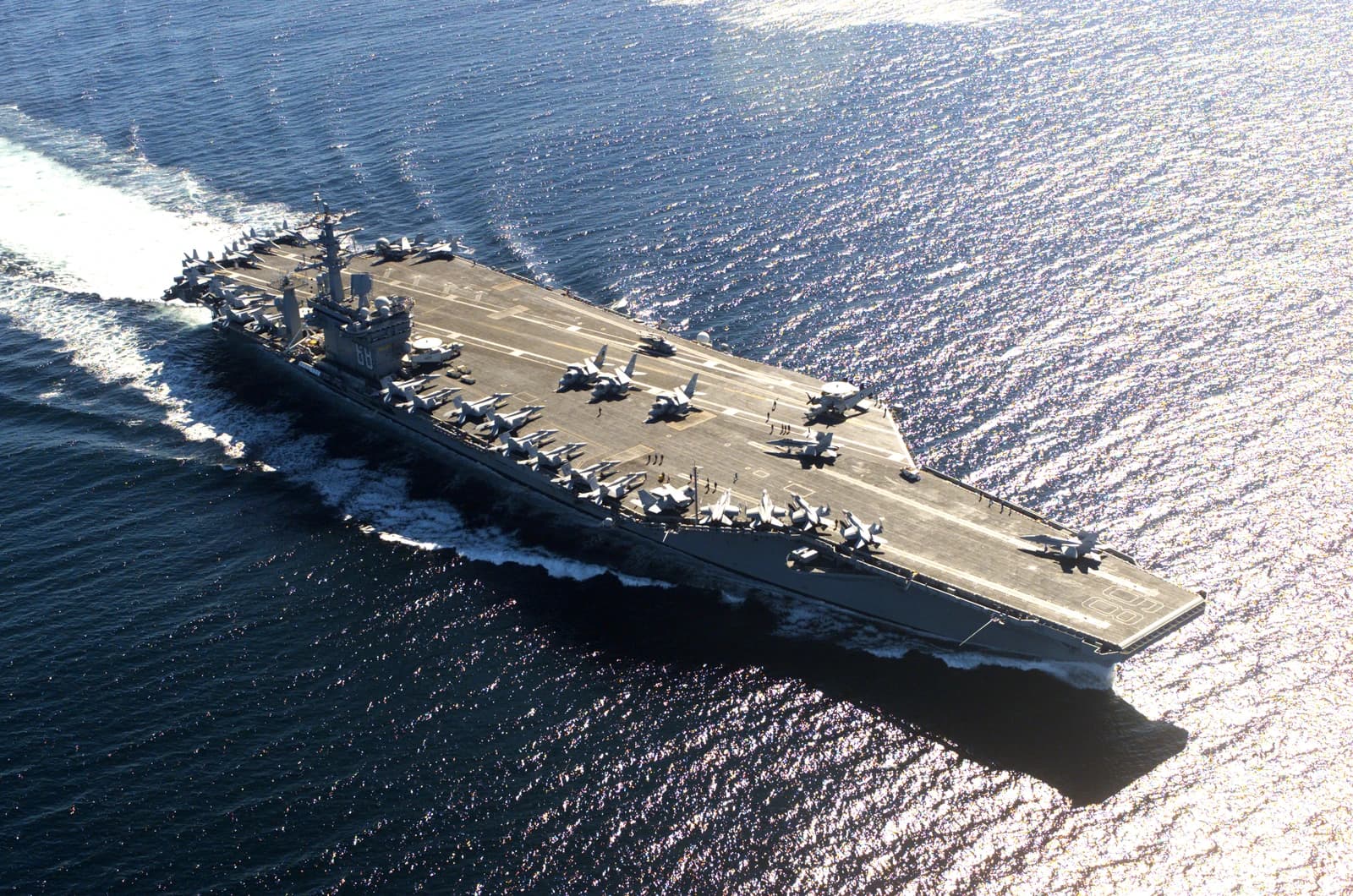
Donald Trump’s call to restore older launch gear on U.S. aircraft carriers is landing as a broader reset in naval procurement, with investors treating it as a signal that the Pentagon may favor proven systems over newer, more complex technology even after billions have already been sunk into modernization.
The immediate economic stakes are less about one machine than about how Washington allocates defense capital. Reverting to steam catapults on carriers, after the Navy spent heavily on the Ford class’ electromagnetic launch system, would imply redesign costs, schedule risk and the possibility of extended retrofit work on the fleet. It would also reinforce a policy preference for readiness and operational simplicity at a moment when the U.S. is juggling commitments in the Middle East and the White House is under pressure to show the Navy can sustain high-tempo deployments.

The move comes as the USS Gerald R. Ford is being sent to the Middle East to replace the USS Abraham Lincoln, a deployment that underscores both the operational importance of carrier strike groups and the strain on legacy ships. Reports of poor conditions aboard the Lincoln, including shortages of basics such as soap and food, have added to scrutiny of long carrier rotations and the cost of keeping large vessels mission-ready. The decision to swap in the Ford suggests the administration wants not just more visible firepower, but a cleaner demonstration of capability and crew sustainment.
For investors, the story is as much about procurement risk as it is about geopolitics. Northrop Grumman, the Ford-class builder, sits at the center of any debate over whether the Navy doubles down on existing platforms or opens the door to expensive redesigns. Huntington Ingalls, which builds and maintains carriers and other major warships, could also see consequences if the policy pushes more work into shipyard retrofits and sustainment rather than new technology adoption. Lockheed Martin benefits indirectly from any broader defense spending bias toward readiness and munitions, while the market’s read-through is that shipbuilding remains supported by a more hawkish posture toward force projection.
That backdrop helps explain why defense shares have held up even as broader market sentiment has wavered. Northrop Grumman has traded above its 50-day and 200-day moving averages, with momentum indicators turning positive again after a sharp spring pullback, while Lockheed Martin has also recovered above both key averages. Huntington Ingalls, which was battered earlier in the year, has rebounded sharply from June lows, though it remains more volatile than the primes. The move in the stocks suggests investors are willing to pay for policy-backed backlog and the possibility of more spending on ship readiness, even if the exact cost and timing of any carrier retrofit remain unclear.
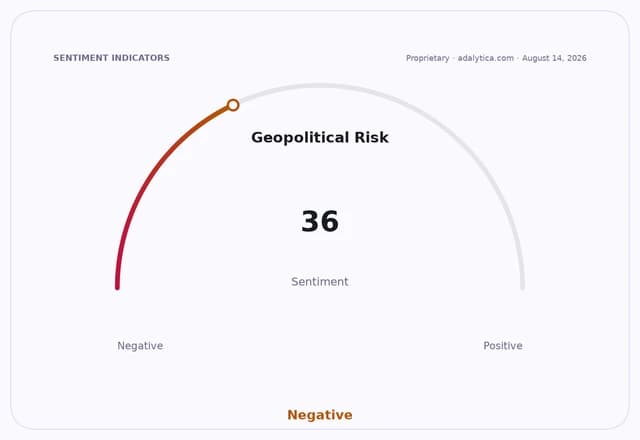
The macro environment is still supportive. The Federal Reserve’s policy rate is around 3.63%, the 10-year Treasury yield is near 4.7%, and the economy is not in recession, leaving Washington room to keep defense outlays elevated without immediate pressure from a downturn. At the same time, global-stability sentiment has weakened, reflecting higher geopolitical risk, which tends to favor contractors tied to naval power, air defense and munitions.
For the Pentagon, the upside of Trump’s push is political and operational clarity: simpler systems, faster deployments and fewer technology bets gone wrong. The bear case is that reversing course after years of procurement spending could add costs, slow carrier availability and invite another round of engineering fixes. For investors, the key question is whether this is a one-off preference or the start of a broader procurement overhaul that could reprice the defense supply chain.
| Entity | Gains | Losses |
|---|---|---|
| Northrop Grumman | ▲Carrier-related spending | ▼Redesign uncertainty |
| Huntington Ingalls | ▲Retrofit and sustainment work | ▼Program disruption |
| Lockheed Martin | ▲Readiness-focused defense budgets | ▼Less impact than shipbuilders |
| U.S. Navy crews | ▲Simpler launch systems | ▼Transition friction |