Trump-backed GOP spends on vulnerable House districts
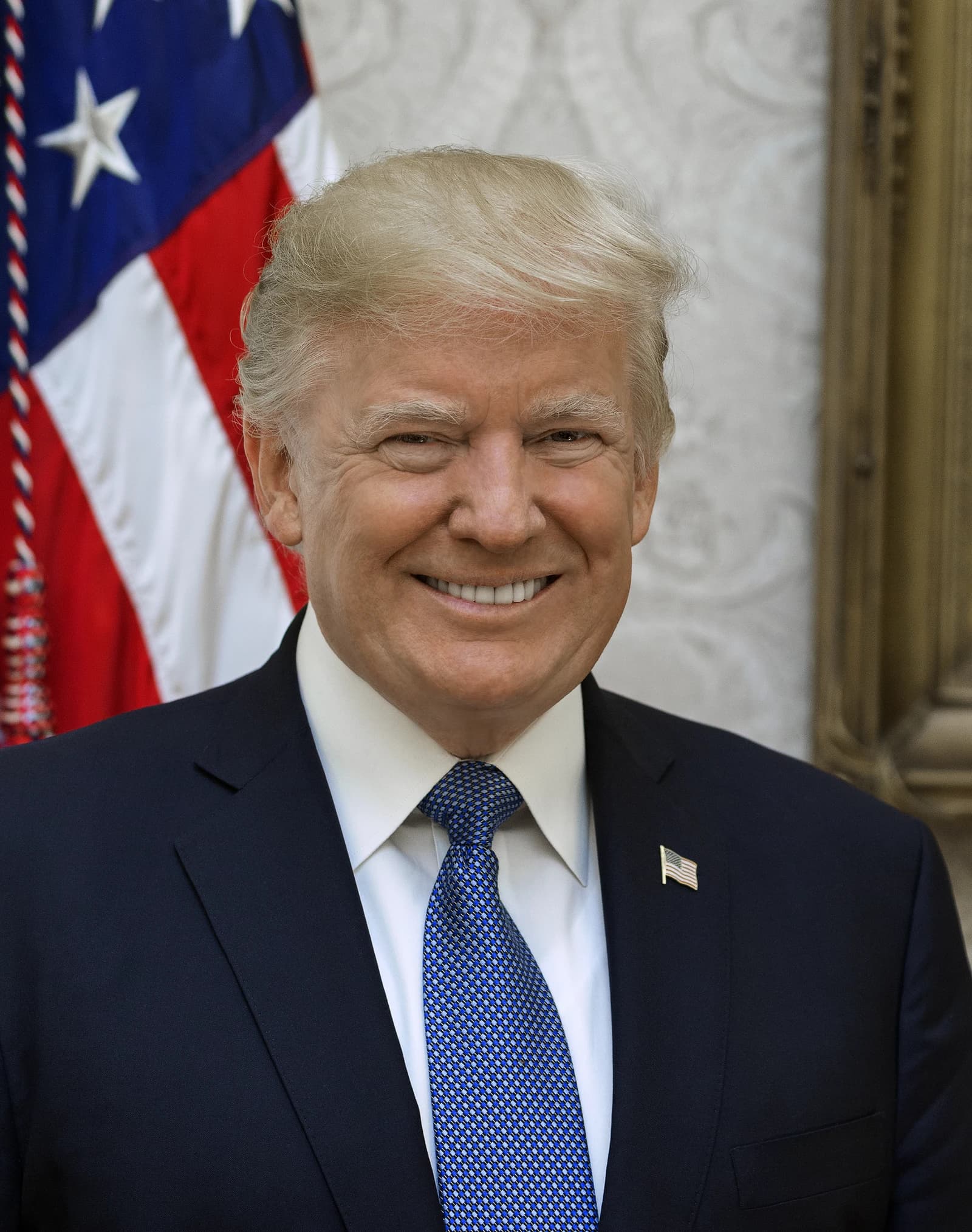
Donald Trump’s political machine is being forced to defend districts he carried comfortably in 2024, a sign that his unpopularity is widening the House battlefield and raising the cost of holding power for Republicans heading into the 2026 midterms.
The immediate economic significance is not in the spending itself, but in what it says about the scale of political risk now being priced into the Republican campaign effort. MAGA Inc. and affiliated groups have already committed well over $100 million on television ads and are targeting at least 27 House districts, including 17 that Trump won by more than five points and six that he carried by double digits. For a party that entered the cycle expecting a friendlier map after redistricting in states such as Texas, the need to pour money into seats that were supposed to be safe suggests the GOP is spending defensive capital earlier and more broadly than planned.
That matters to investors because election outcomes can shape everything from fiscal policy and tax rates to regulation, trade and sector-specific risks. If Republicans have to funnel more money into protecting red districts, that can leave fewer resources for offensive races and intensify the odds of a narrower House margin. A tighter Congress would complicate any push for tax extensions, tariffs or deregulation, while a Democratic gain could constrain Trump’s policy agenda and lift the probability of legislative gridlock. Markets generally prefer clarity, but the current picture points to uncertainty: a partisan map that is widening into territory Trump won by large margins, and a party apparatus already acting as if some of those gains are no longer secure.
The spending pattern also underscores a second-order political shift that is economically relevant: Trump’s weakening appeal among independent voters and Latinos. That is especially visible in Texas, where Republicans redrew the map to improve their odds in several districts, only to find that some of those seats still require heavy outside spending. David Wasserman of the Cook Political Report said Republicans have “hemorrhaged support among independent voters” and face an enthusiasm problem. Larry Sabato of Sabato’s Crystal Ball warned that if heavily Trump-friendly districts such as Texas’s 15th and Kentucky’s 6th are in danger, then other supposedly safe Republican seats may also be vulnerable.
For investors, the broader takeaway is that Trump is no longer just a presidential factor; he is becoming a drag on down-ballot Republican durability. That has implications for sectors sensitive to tariff policy, immigration, defense spending and healthcare regulation. It also matters for state-by-state redistricting fights and the Senate map, where Democrats are now being assigned better odds by some forecasters. A more competitive Republican defense across the country implies more money spent on persuasion and turnout, less room for strategic reserve, and a higher probability that policy making in Washington remains constrained by a narrow, unstable majority.
The bull case for Republicans is that money still matters and the party is expected to retain a large spending advantage overall, potentially by hundreds of millions of dollars. The bear case is that even that edge may not be enough if Trump’s favorability continues to sag in the very districts Republicans counted on to stay red. The next key test is whether this advertising surge stabilizes those seats or simply confirms that the map has moved against the GOP well before Election Day.
| Entity | Gains | Losses |
|---|---|---|
| MAGA Inc. / GOP super PACs | ▲Buys defense in vulnerable seats | ▼Burns cash in safe-red territory |
| Republican House candidates | ▲More financial backing | ▼Shrinking margin for error |
| Democrats | ▲Expanded battlefield | ▼Need to overcome GOP money edge |
| Trump | ▲Short-term loyalty test from allies | ▼Evidence of waning appeal in red districts |