Trump says Putin not seeking to attack NATO
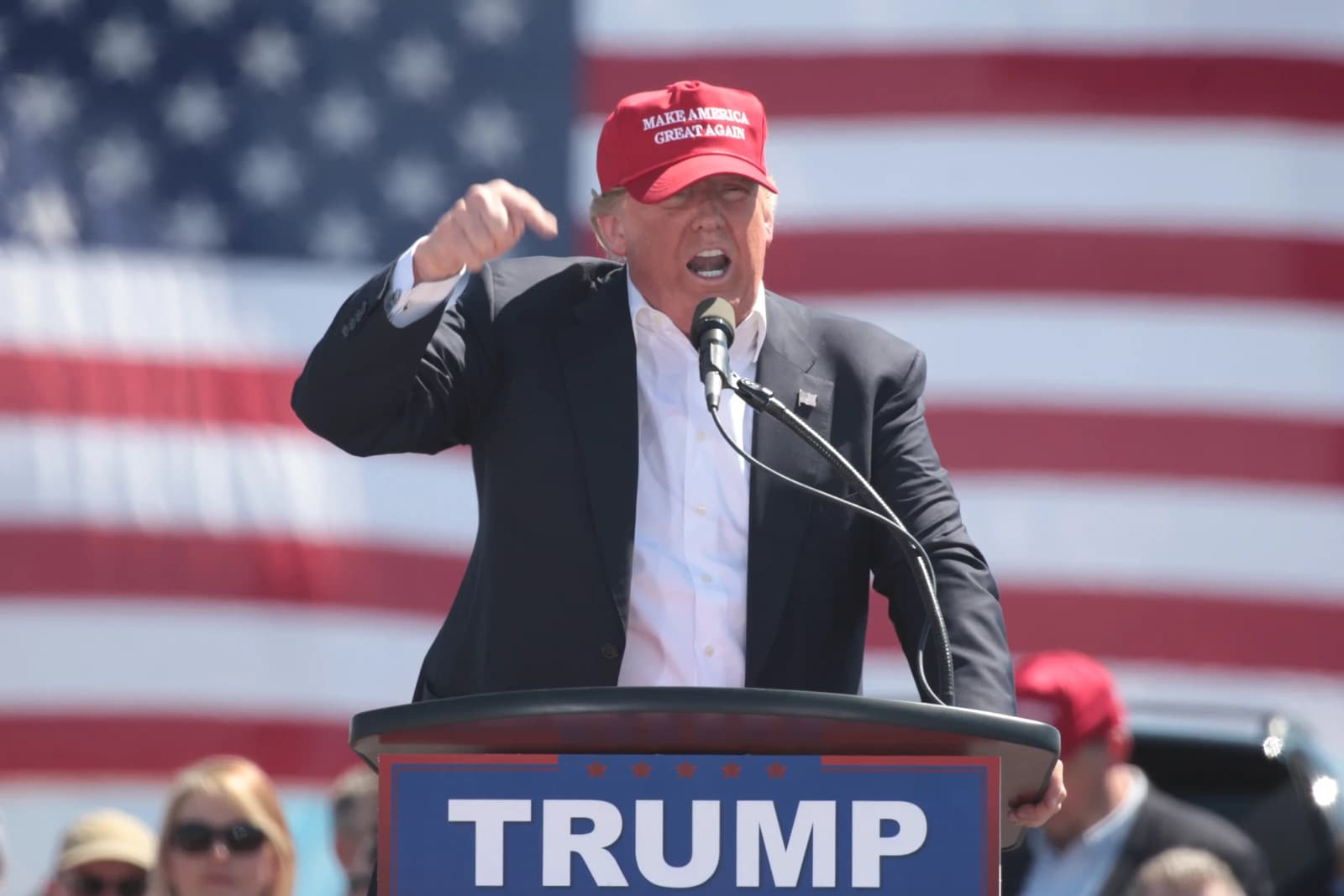
Trump says he does not believe Vladimir Putin wants to attack NATO territory, a message that could ease fears of a direct Russia-Alliance confrontation even as the war in Ukraine grinds on and tensions across Europe remain elevated.
The comments matter because any sign the White House sees a lower risk of NATO-Russia escalation can shape market pricing for European security, sanctions policy and defense spending. Trump said he has spoken with Putin and knows him “very well,” adding that Putin is “not seeking to attack NATO territory,” after the Russian president said there are still chances to settle the Russia-Ukraine conflict.

For investors, the immediate read-through is to defense contractors and broader risk sentiment. Shares of Northrop Grumman fell to $514.98 on Friday from $583.22 on Aug. 14, while Lockheed Martin eased to $525.28 from $531.55 on Sept. 2 and RTX slipped to $200.79 from $225.49 on Aug. 18. The moves leave all three names below their 50-day moving averages, with RSI readings around 20 to 27, a sign of sharp recent selling after a summer run-up.
That does not remove the underlying support for the sector. Defense groups have repeatedly warned in SEC filings that conflicts in Europe, the Middle East and the Pacific are lifting security requirements and orders, and any shift in U.S. policy or NATO posture can quickly affect expectations for budgets, backlog and margins. The bigger macro backdrop is still one of heightened geopolitical risk, with Adalytica’s Global Stability Sentiment at 44, in neutral territory, but down 41 points over seven days.
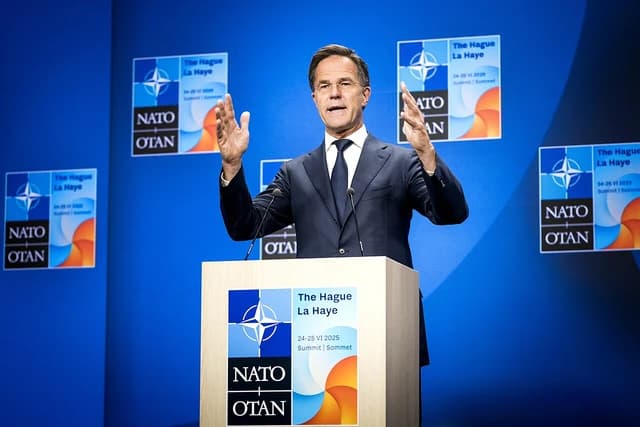
The next market catalyst will be whether Trump’s comments are followed by any concrete diplomatic movement on Ukraine or a shift in NATO-related policy language. Until then, investors are likely to treat the remarks as a reminder that headline risk around Europe remains high, even if immediate invasion fears are being downplayed.
| Entity | Gains | Losses |
|---|---|---|
| Trump White House | ▲Lower escalation narrative | ▼Hardline NATO warning posture |
| Russia | ▲Reduced immediate attack fears | ▼Pressure to prove restraint |
| Defense contractors | ▲Strategic demand still intact | ▼Near-term risk premium fades |
| NATO / Europe | ▲Less invasion risk priced in | ▼Need to justify higher defense spending |