Trump may shift Ukraine talks to John Ratcliffe
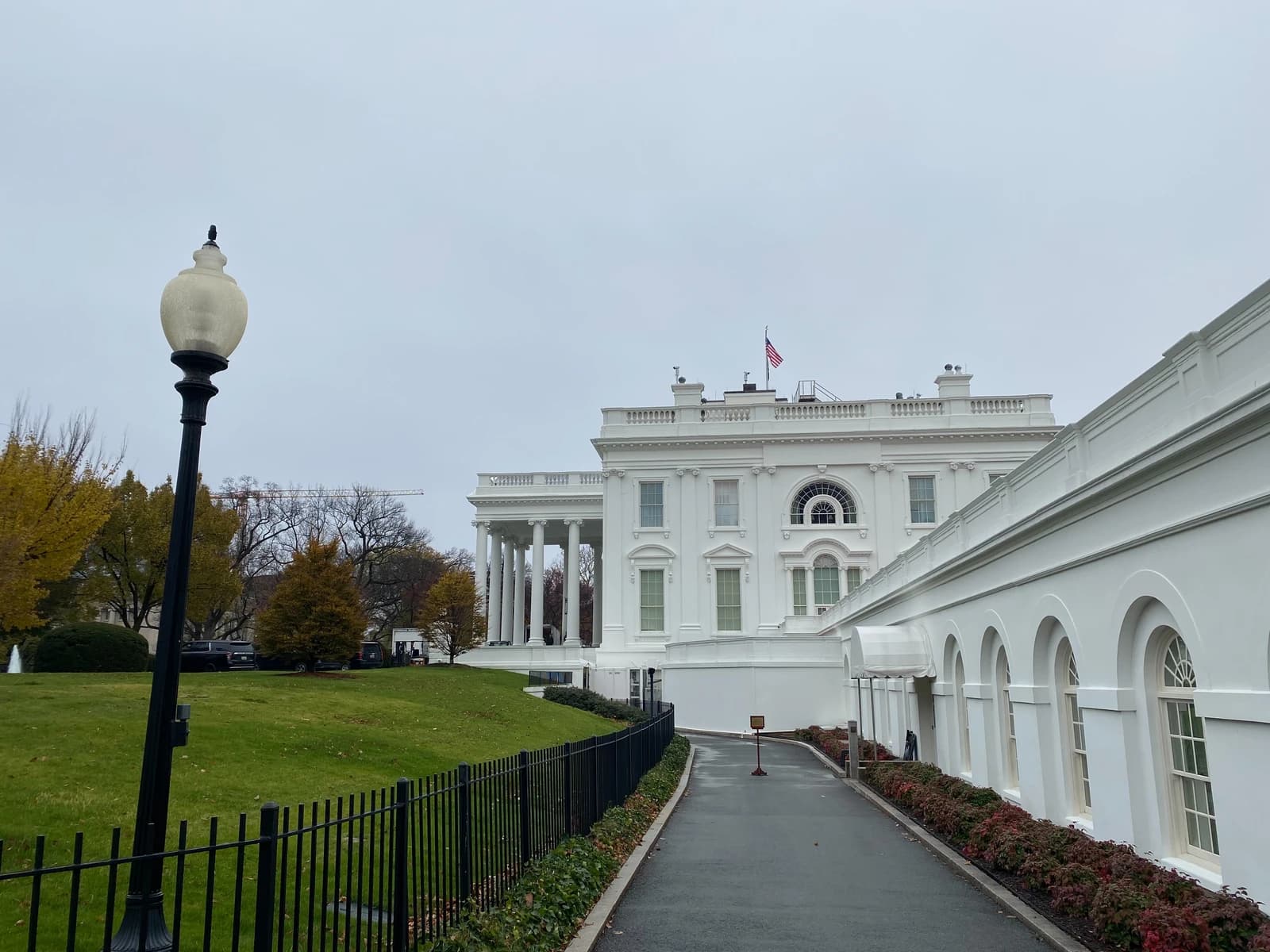
President Donald Trump is moving to hand the lead role in negotiations over Ukraine and Russia to CIA Director John Ratcliffe after repeated trips by envoy Steve Witkoff failed to produce a breakthrough, a shift that could harden Washington’s posture and extend the diplomatic track on a conflict that continues to distort energy, defense and risk assets.
The change matters because it suggests the administration is widening the aperture of its talks with Moscow and Kyiv at a moment when the war remains a structural drag on global stability. If confirmed, elevating the CIA chief would signal a more intelligence-driven approach to ceasefire diplomacy, one that could combine back-channel leverage with security warnings rather than rely on the personal diplomacy of Trump’s envoy network.
The Financial Times reported that the White House is considering Ratcliffe for the role, with officials close to him already informing European counterparts. White House officials rejected the report as “completely fake news,” while the CIA declined to comment. Still, the report underscores frustration in Washington after eight visits to Moscow and one to Kyiv by Witkoff and Jared Kushner yielded no expected results, according to the paper.
Ratcliffe’s unexpected trip to Moscow in late August had already drawn attention among Western diplomats. Reports at the time suggested he was there not only to encourage peace talks, but also to warn the Kremlin against any move on NATO territory and to press for reduced cooperation with Iran. That combination would fit a broader Trump strategy of linking the Ukraine file to wider U.S. security interests, rather than treating it as a standalone ceasefire issue.
For investors, the key question is whether a personnel change improves the odds of de-escalation or simply reflects stalemate. A credible negotiating channel could ease some geopolitical risk premium in European assets, crude and defense names, while supporting risk appetite more broadly. But if the move is seen as evidence that Washington is losing leverage, markets could read it as confirmation that the conflict will remain unresolved and volatility elevated.
That tension is visible in the market backdrop. Adalytica’s U.S. presidential approval sentiment gauge stands at 78, while the White House policy direction reading has improved to 48 from 26 a day earlier, suggesting investors are re-pricing the policy outlook. At the same time, the S&P 500 trade-signal gauge is still in “Extreme Fear,” underlining how sensitive broader risk assets remain to geopolitical and policy surprises.
Trump Media & Technology Group, which trades under the DJT ticker, has also been volatile amid the broader political backdrop. The stock closed at $8.66 on Sept. 11, down from $10.38 on July 30 and below its 50-day moving average of $9.17, while the 200-day moving average stood at $10.13. The shares’ RSI reading of 43.8 points to a market that is neither oversold nor comfortably supported, leaving it vulnerable to headlines around Trump’s agenda and political influence.
The immediate test is whether the White House sticks with a public denial or allows the Ratcliffe role to emerge through later confirmations. For markets, the larger issue is not the personnel shuffle itself, but whether it marks a more forceful U.S. effort to force terms on Moscow — or another sign that the war in Ukraine is proving resistant to Trump’s dealmaking style.
| Entity | Gains | Losses |
|---|---|---|
| John Ratcliffe | ▲Greater diplomatic leverage | ▼Higher exposure to failure |
| Steve Witkoff | ▲Less direct responsibility | ▼Reduced influence |
| Trump administration | ▲Potential new negotiating channel | ▼Risk of looking stalled |
| Risk assets | ▲Possible de-escalation bid | ▼Renewed geopolitical volatility |