Trump Rate Pressure and India Trade Impact
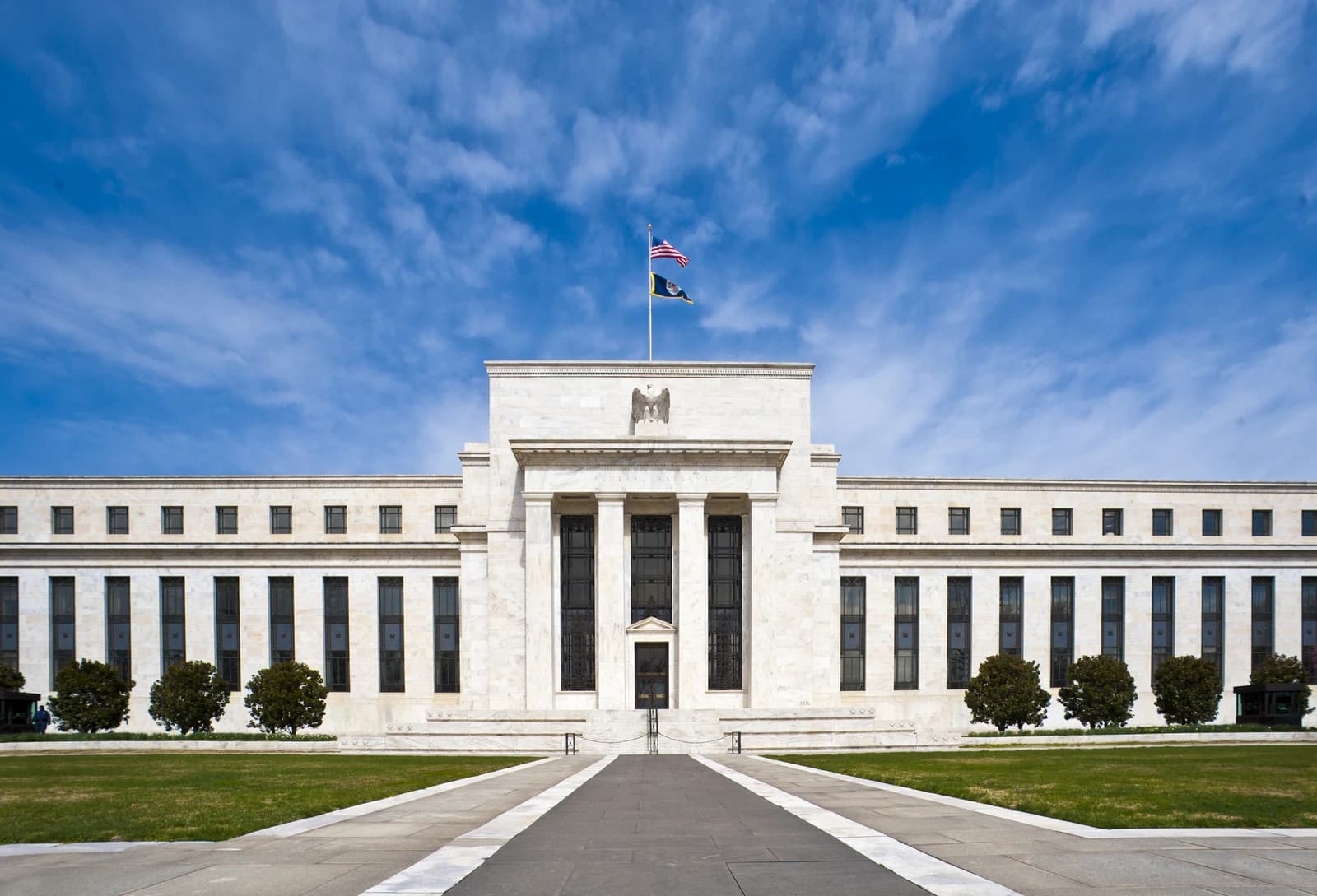
US President Donald Trump’s renewed pressure on the Federal Reserve to cut interest rates matters less as a question of monetary etiquette than as a possible pivot in global capital flows, Treasury yields and the dollar — all of which feed directly into India’s trade negotiations, financing conditions and export outlook.
Trump has once again threatened to force lower rates, even hinting at cutting off trade with countries that run deficits with the US if the central bank does not comply. The immediate market significance is not that the Fed is likely to cave to political pressure, but that the White House is putting more weight on rates, tariffs and trade balance politics at a time when US debt has crossed $40 trillion and the 10-year Treasury yield is hovering near 5%, keeping global borrowing costs elevated.
That matters for investors because the US dollar, Treasury yields and risk appetite are still the main transmission channels from Washington to the rest of the world. Treasury-bond trading signals from Adalytica show extreme greed in US government bonds, while the dollar has been firm, suggesting the market is still pricing a high-for-longer rate backdrop despite the political noise. If the Fed were pushed toward faster easing, the first-order effect would likely be a weaker dollar and lower US yields, easing financial conditions globally and supporting emerging-market assets. If pressure instead deepens policy uncertainty, the opposite can happen: tighter risk premia, more volatile currencies and a stronger case for safe-haven holdings.
India sits close to that transmission line. A softer dollar and lower US yields would typically help the rupee, reduce imported inflation and improve flows into Indian assets. Indian equities and exchange-traded funds tracking the market have already been vulnerable to swings in global risk sentiment, with INDA trading below its 200-day moving average and FXI showing similar weakness in China-related sentiment. For Indian exporters, however, the picture is mixed: a weaker dollar can compress margins even as lower US rates support American demand. For importers, especially energy buyers, cheaper financing and a softer dollar would be a relief.
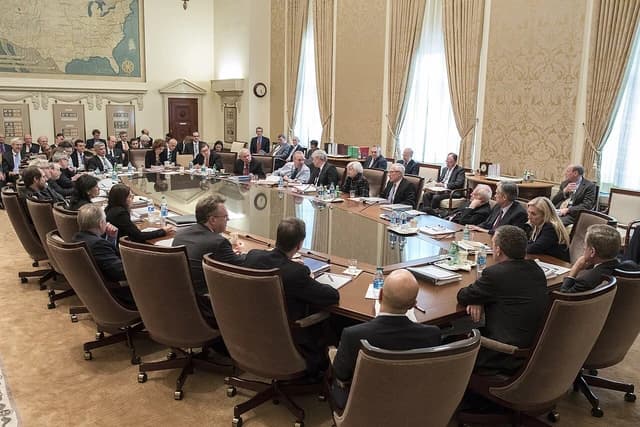
The larger issue for India is that Trump’s rate rhetoric is tied to a more aggressive trade agenda, not just monetary policy. Washington is already pressing New Delhi for greater market access, lower tariffs and tighter supply-chain traceability in talks on a bilateral trade deal that began in February. India has already moved to trim duties on selected US goods, boost energy purchases and offer other concessions, but the US is also pushing harder on compliance, including labor and sourcing rules that could raise costs for Indian exporters.
That creates a two-track risk for India. On one track, easier US monetary policy would support capital inflows, lower funding costs and potentially stabilize Indian markets. On the other, Trump’s broader push to shrink trade deficits could increase pressure on Indian farm goods, textiles and industrial inputs, especially if the US demands deeper tariff cuts or stricter origin checks. The cotton and apparel chain is already under strain from rising input costs and tighter US scrutiny.
The bear case for India is that Washington couples a trade offensive with a politically driven push for lower rates, creating more volatility without materially improving growth. The bull case is that even if Trump’s rhetoric is noisy, any meaningful easing in US financial conditions would ultimately support India’s external balance and risk assets. For now, investors should watch the Fed’s independence rhetoric, the trajectory of the 10-year yield and dollar, and whether trade negotiations with India shift from bargaining to leverage.
| Entity | Gains | Losses |
|---|---|---|
| US borrowers | ▲Lower financing costs | ▼Less rate discipline |
| Indian asset markets | ▲Softer dollar flows | ▼Policy volatility |
| US exporters | ▲More demand if rates fall | ▼Stronger deficit politics |
| Indian exporters | ▲Easier US demand if easing wins | ▼Tighter tariff and compliance pressure |