Trump withdraws Schroyer ICE nomination
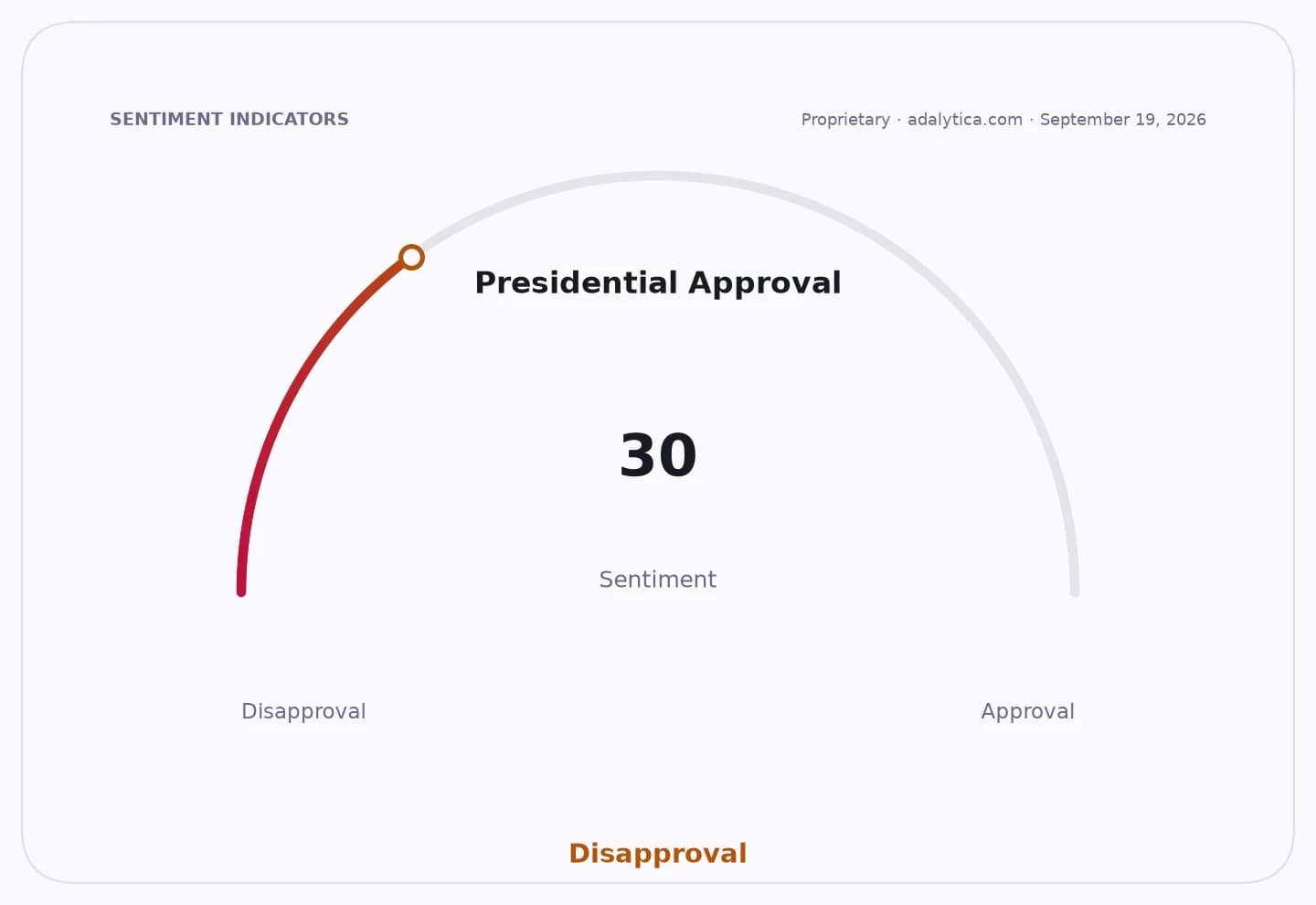
Donald Trump has abruptly withdrawn Lance Schroyer’s nomination to lead Immigration and Customs Enforcement, a move that underscores the administration’s difficulty locking in a permanent chief for the agency at the center of its deportation drive.
The White House gave no explanation for the reversal, but the decision comes after Schroyer faced rising political resistance and never even got a Senate confirmation hearing scheduled. The withdrawal keeps ICE in a familiar state of limbo: the Senate has not confirmed a permanent director for the agency in more than a decade, leaving one of the government’s most politically sensitive law-enforcement arms without a stable, Senate-approved leader.
That matters because ICE is executing the core enforcement pillar of Trump’s immigration agenda. The agency has stepped up arrests sharply, with federal authorities detaining more than 49,000 migrants in July, the highest monthly total of the current term. Any leadership vacuum complicates coordination, accountability and pace at a time when the White House is trying to sustain a rapid enforcement tempo.
Schroyer’s background had made him a natural fit for the administration’s hard-line base. A former Oklahoma Highway Patrol major and Navy veteran, he helped train more than 700 state officers on immigration enforcement and was later authorized to make ICE arrests after completing a shortened 40-hour online course, a program critics said was inadequate for the job.
His nomination also ran into the realities of Washington politics. Rand Paul, the Republican senator who chairs the Senate Homeland Security and Governmental Affairs Committee, had not scheduled a hearing or publicly backed the pick, while some conservatives viewed Homeland Security Secretary Markwayne Mullin as not aggressive enough on deportations. Democrats and immigrant-rights groups, meanwhile, have accused ICE of sweeping up people without criminal records who have lived in the U.S. for years.
The episode highlights the tension between Trump’s demand for fast-moving immigration enforcement and the Senate confirmation process, which has repeatedly slowed the installation of a full-time ICE director. For investors and policy watchers, the key risk is not a market move so much as regulatory and political volatility: a more fragmented enforcement structure can alter hiring, contractor demand and compliance pressure across industries tied to border security, detention and immigration processing.
The immediate focus now shifts to whether the White House names a replacement quickly or leaves ICE under interim leadership as deportations continue to climb and opposition hardens in Congress.
| Entity | Gains | Losses |
|---|---|---|
| Trump White House | ▲More room to pick a compliant nominee | ▼Faster confirmation and leadership stability |
| ICE hardliners | ▲Continued aggressive enforcement pace | ▼Clear long-term command structure |
| Senate critics | ▲More leverage over nominations | ▼Less influence if acting leadership persists |
| Immigration contractors | ▲Potential demand from higher arrests and detention | ▼Policy uncertainty from leadership churn |