Trump $5,000 Tariff Dividend Faces Funding Gap
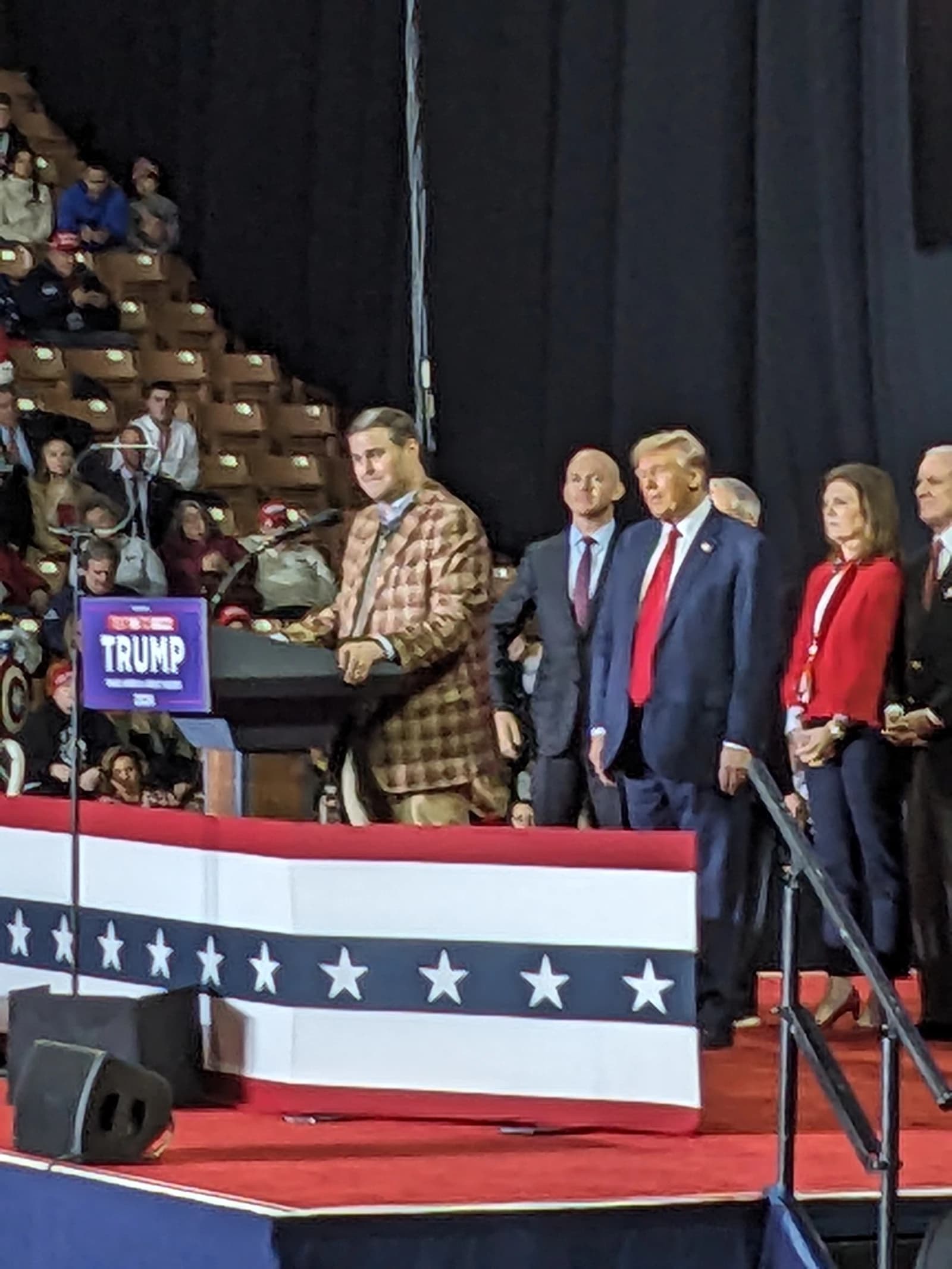
Donald Trump is again promising $5,000 checks for every U.S. adult, a pitch that would amount to more than $1 trillion and immediately raises questions about whether tariff revenue could ever cover it.
The idea matters because it turns tariffs from a trade tool into a fiscal-financing story. Trump is tying the payment to Republican control of Congress, framing the checks as a tariff-funded “dividend” that would have to be spent in the United States, but he has not explained how the program would be paid for or distributed.
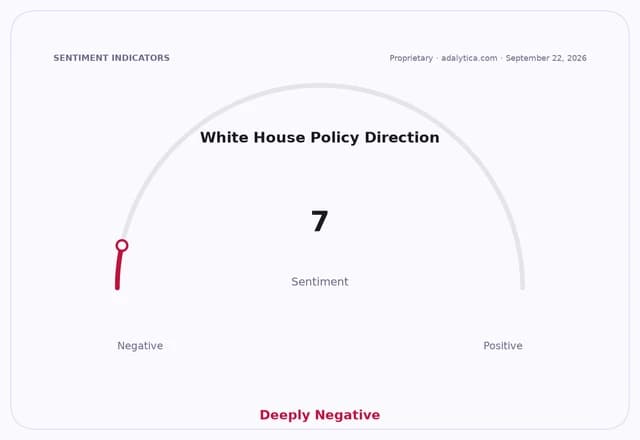
Analysts have already said current tariff intake falls far short of the cost. A payout of $5,000 to all adults would likely exceed $1 trillion, while existing customs revenue is nowhere near enough on its own to fund that kind of transfer. Trump has floated similar tariff-funded dividends before, but they never materialized.
For investors, the proposal reinforces the risk that tariffs could be used to justify larger consumer transfers and a wider fiscal burden, even as import taxes continue to feed inflation concerns and complicate the outlook for retailers, importers and households. It also underscores the political appeal of tariff revenue at a time when the administration is leaning harder into protectionist messaging ahead of the next election cycle.

The market impact is indirect but real. A broad cash handout would support consumption, especially for lower- and middle-income households, while any renewed tariff regime would pressure margins for import-heavy sectors and could keep the dollar, equities and rates sensitive to White House trade and spending signals. Consumer discretionary shares, which are already navigating soft demand, stand to benefit from more spending power, while retailers and foreign suppliers would face a more uncertain cost environment.
The latest pledge also comes alongside Trump’s separate push for $500 rebate checks for one million Obamacare enrollees across 30 states, adding to the sense that the White House is testing more direct-transfer ideas as it seeks to sell its economic agenda. Whether any of it survives contact with Congress and the Treasury math will determine if this is a campaign promise or a policy path.
| Entity | Gains | Losses |
|---|---|---|
| U.S. households | ▲Potential cash relief | ▼Higher inflation risk |
| Consumer discretionary stocks | ▲Stronger spending | ▼Margin pressure from tariffs |
| Import-heavy retailers | ▲More demand | ▼Higher sourcing costs |
| Treasury/Congress | ▲Political leverage | ▼Funding gap and fiscal strain |