Trump Says U.S. Has Good Ties With Brazil
President Donald Trump’s claim that the U.S. has “good” ties with Brazil matters because it points to a possible thaw in a relationship that could shape tariffs, commodities and capital flows across Latin America.
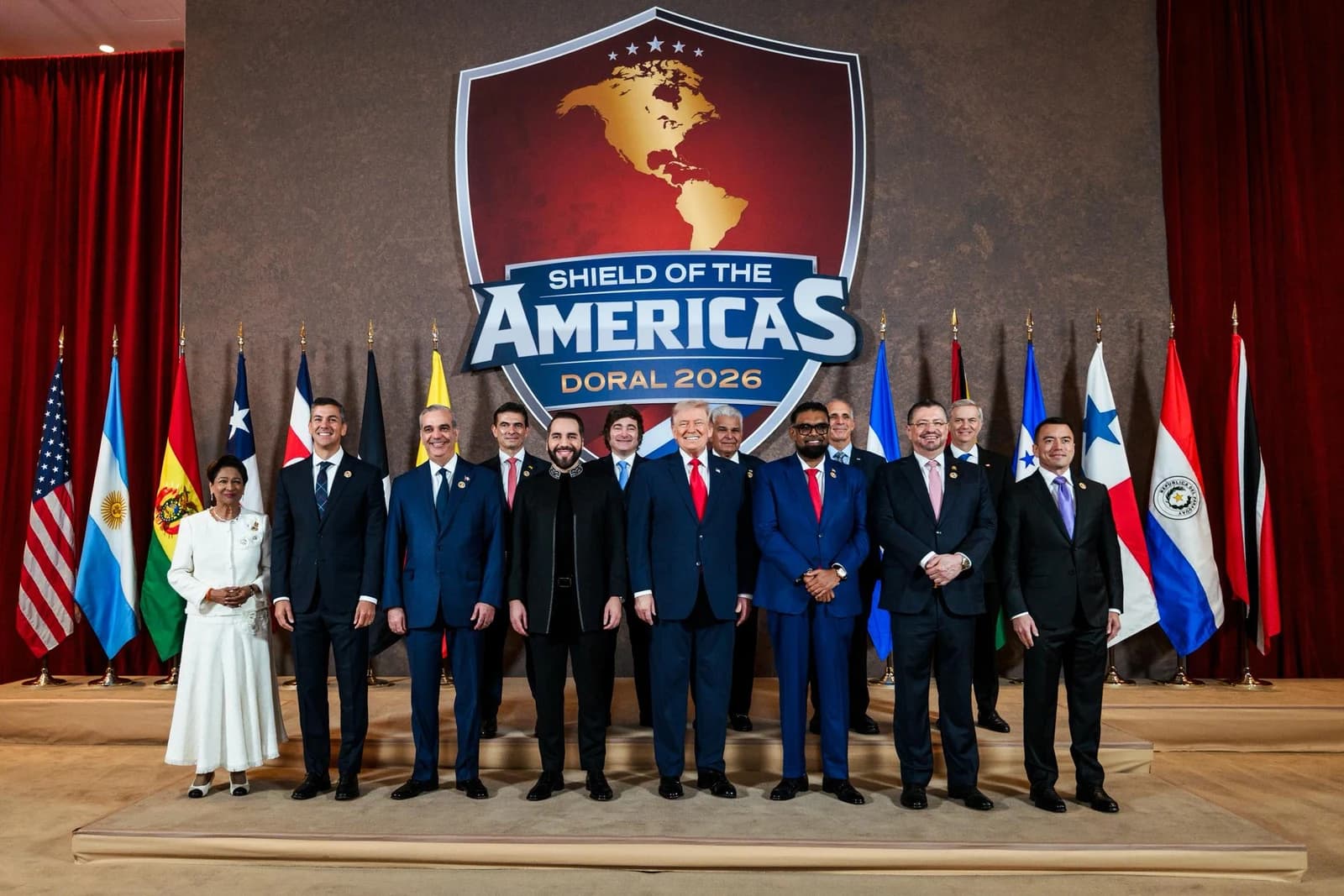
Trump told reporters in the Oval Office that the U.S. now has strong relations with Brazil and almost all of South America, arguing that countries in the region are showing Washington more respect than under the Biden administration. He also said the hemisphere is shifting to the right and described the region as “opening up” to greater cooperation with the U.S.
For investors, that is more than diplomatic chatter. Brazil is the largest economy in South America and a major supplier of iron ore, soybeans, oil and industrial goods. Any easing in tensions between Washington and Brasília could help support trade negotiations, reduce policy uncertainty and improve the outlook for companies exposed to cross-border commerce. It also matters for broader risk appetite in emerging markets, where the tone from the White House can quickly ripple through currencies and asset prices.
The comments arrive as Brazil has been pressing for a mutually beneficial trade agreement with the U.S. and has criticized current American tariffs as unfair and discriminatory. Brazilian officials have resumed ministerial-level discussions and are pushing to broaden talks beyond tariffs into non-tariff barriers, investment rules and strategic sectors such as data centers and critical minerals. That mix is especially important for long-term investors because it connects geopolitics with the industries most likely to attract fresh capital.
Market action suggests traders are already paying attention. The iShares MSCI Brazil ETF, EWZ, has climbed to $38.09 from $35.93 on July 10, while trading volume has stayed heavy. But the technical picture also shows the rally is stretched: EWZ’s relative strength index is at 87, a level many investors associate with an overbought market, and the fund is trading above both its 50-day and 200-day moving averages. Vale, one of Brazil’s flagship stocks, has also rebounded to $15.73 from $13.66 in late March, reflecting renewed interest in Brazilian assets even as commodity pricing and global growth remain uneven.
The bigger story is that South America is becoming more strategically relevant to U.S. policymakers at the same moment investors are looking for alternatives in supply chains, critical minerals and energy. Trump’s comments suggest Washington sees political alignment as an economic opportunity, not just a diplomatic one. If that leads to lower tariff friction or more investment-friendly rules, the beneficiaries could include exporters, miners and multinational companies with operations in Brazil.
Still, investors should keep their heads. Trade talk optimism can fade quickly, and Brazil’s equity gains have run ahead of some of the fundamentals in the short term. For long-term investors, the important question is not whether one headline moves the market today, but whether it opens the door to a more durable economic relationship between the U.S. and Latin America. That is the kind of shift worth watching closely, especially for patient investors building positions for the next three to 10 years.
| Entity | Gains | Losses |
|---|---|---|
| Brazil exporters | ▲Easier U.S. access | ▼Tariff pressure |
| U.S. importers | ▲Lower trade friction | ▼Higher policy uncertainty |
| EWZ investors | ▲Better sentiment on Brazil | ▼Short-term overbought risk |
| Tariff hawks | ▲Less leverage | ▼Thaw in talks |