Trump visa interview pause hits airlines and travel stocks
The Trump administration’s temporary worldwide suspension of visa interviews could slow inbound travel flows, hit travel-related spending and add a fresh policy overhang for airlines, hotels and cross-border payment firms that depend on international mobility.
The move matters economically because visa processing is a choke point for tourism, business travel, student arrivals and longer-term labor mobility. Delays today can translate into weaker bookings and deferred arrivals weeks or months later, with the most immediate impact likely felt by companies exposed to international visitor traffic and by economies that rely on U.S.-bound travel demand.
For investors, the policy raises questions about near-term revenue momentum across the travel stack. Delta Air Lines and other carriers with meaningful transatlantic and intercontinental exposure can face softer premium-cabin and leisure demand if travelers cannot secure appointments quickly enough. Visa and other payment networks are less directly exposed, but slower travel volumes can trim cross-border transaction growth, while hotel and booking platforms may see a hit to forward reservations if the suspension lasts beyond a brief administrative pause.
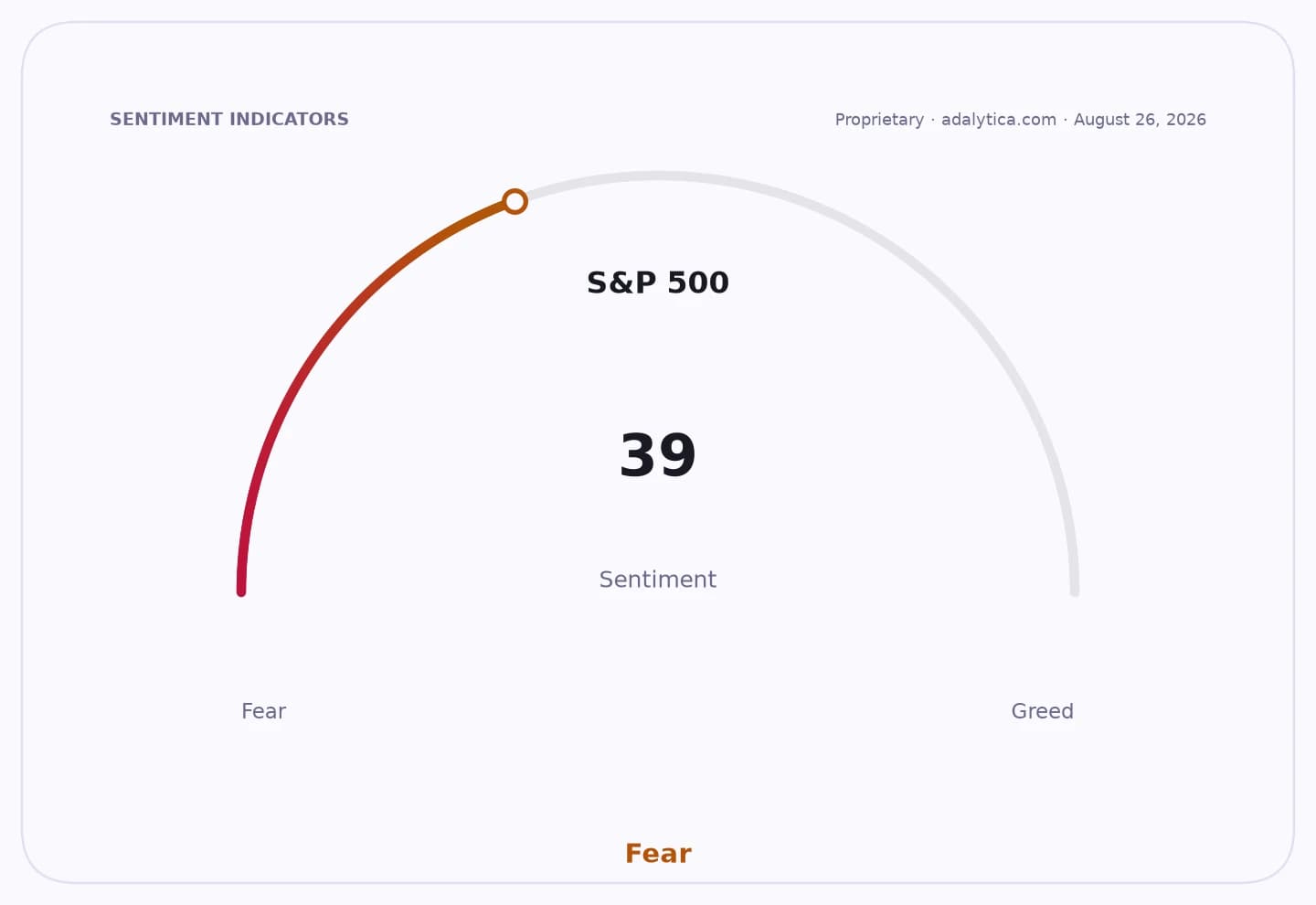
The market backdrop has already been wary of travel cyclicality. Delta shares have been under pressure in recent sessions and the stock traded at $83.62 on Aug. 25, below its 50-day moving average of about $87.57, while its RSI reading of 26 points to technically oversold conditions. That suggests the market has been discounting weaker near-term demand even before the visa announcement. Visa, meanwhile, closed at $384.14 on Aug. 25, holding above its 50-day and 200-day moving averages, but its next leg higher depends on sustained travel and spending growth rather than just domestic card usage.
The broader story is that immigration enforcement and economic activity are colliding. A global suspension of visa interviews is not just an administrative step; it is a signal that the administration is willing to accept short-term friction in travel and services in pursuit of tighter control. That can support the political objective, but it also risks slowing a sector that feeds airports, airlines, hotels, retailers and payment processors.
The key question for investors is duration. If the pause is short and procedural, the damage may be limited to volatility in travel equities. If it persists, the effect can widen into lower foreign visitor arrivals, weaker ancillary spending and softer earnings revisions across the travel and payments complex.
| Entity | Gains | Losses |
|---|---|---|
| Trump administration | ▲Tighter immigration control | ▼Political backlash from business groups |
| Airlines and hotels | ▲None | ▼Slower bookings and arrivals |
| Visa and payments firms | ▲Limited benefit from domestic spend | ▼Softer cross-border transaction growth |
| Travelers and visa applicants | ▲None | ▼Delays, uncertainty, added costs |