Trump Xi Meeting Keeps U.S.-China Tensions Managed
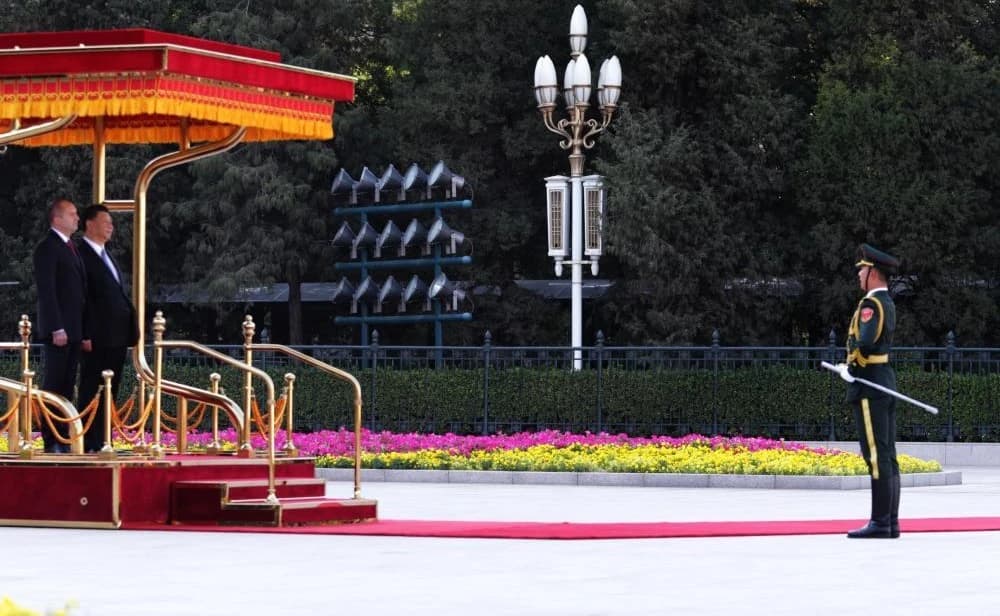
President Donald Trump is hosting Chinese President Xi Jinping with the kind of warmth that would have seemed unthinkable when he first campaigned on China-bashing, and the shift says less about friendship than about leverage.
For investors, that matters because it points to a hard truth: tariffs, export controls and tough talk have not forced Beijing into retreat. China still dominates key manufacturing chains, still holds sway over rare earths that power electronics, and still exports enough low-cost goods to keep its economy relevant far beyond the U.S. border. The result is a more transactional relationship in which Washington is trying to manage a rival it has not been able to bend.
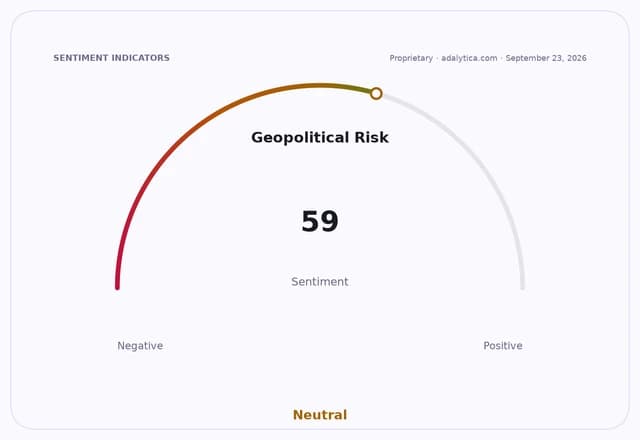
Trump’s tone change is not just diplomatic theater. It reflects a failed strategy. After trying to confront China with escalating tariffs, the White House found that Beijing could absorb the pressure, reroute trade through third countries and use its own advantages — especially in critical minerals — to force a temporary trade armistice. China’s global trade surplus hit $1.2 trillion last year, underscoring how much of the world still depends on its manufacturing machine even as U.S. officials complain about unfair competition.
That helps explain why Thursday’s state dinner may be more important for symbolism than for policy. State visits usually come with concrete deliverables, but the real deliverable here may be the relationship itself: two leaders signaling that they can still do business, even as both countries build for a longer contest in AI, advanced chips and strategic materials. Trump wants to project calm, order and deal-making. Xi wants to show that China can be treated as an equal, not a supplicant.
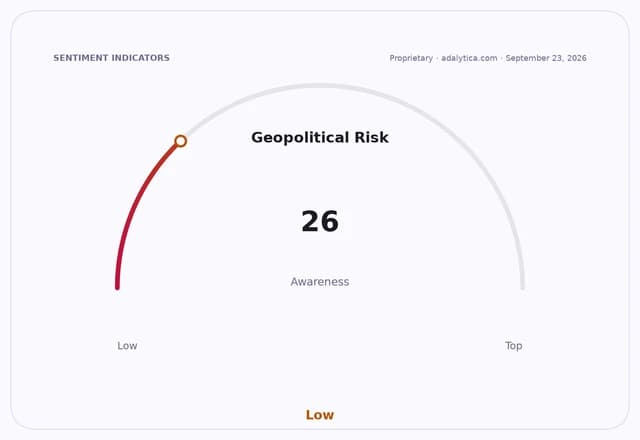
Markets are reading the same script. The iShares China Large-Cap ETF, FXI, has been trading below its 200-day moving average at about 36.27 while sitting near 34.91 in the latest data, a sign that investors remain cautious despite periodic bursts of optimism. The Direxion Daily FTSE China Bull 3X Shares, YINN, has been even more volatile, with a recent close of 27.64 versus a 200-day average near 34.43. That kind of price action fits a market that wants a thaw in U.S.-China relations, but has not seen enough policy follow-through to trust it.
There is still a bigger investment lesson here. China is not going away, and neither is the competition for AI leadership. Trump has said anyone slowing AI development is helping China, while his administration pushes partnerships for rare earths and Beijing keeps pressing ahead on AI and military capabilities. Nvidia’s filings show how narrow the China opportunity remains under current licensing rules, with H200 shipments accounting for less than 1% of data center revenue in the latest quarter. In other words, even the world’s most valuable chip company cannot count on China as an easy growth engine.
The long-term takeaway for investors is simple: the U.S.-China relationship is moving from confrontation to managed rivalry, but not toward reconciliation. That can support bursts of relief in equities, commodities and global cyclicals, yet the structural risks — tariffs, export limits, supply-chain fragmentation and geopolitical shocks — are still there. If you own broad market funds or diversified international exposure, this is a story to watch, not a reason to chase headlines. Patience, diversification and a 3- to 10-year horizon still matter more than guessing which way the next summit leans.
| Entity | Gains | Losses |
|---|---|---|
| Trump and Xi | ▲Optics of control | ▼Pressure to deliver real deals |
| China exporters | ▲Trade stability | ▼Tariff overhang |
| U.S. multinationals | ▲Lower policy uncertainty | ▼Easy access to China growth |
| FXI / YINN traders | ▲Relief rallies | ▼Volatility and fading headlines |