Trump and Zelensky Agree to Meet in New York
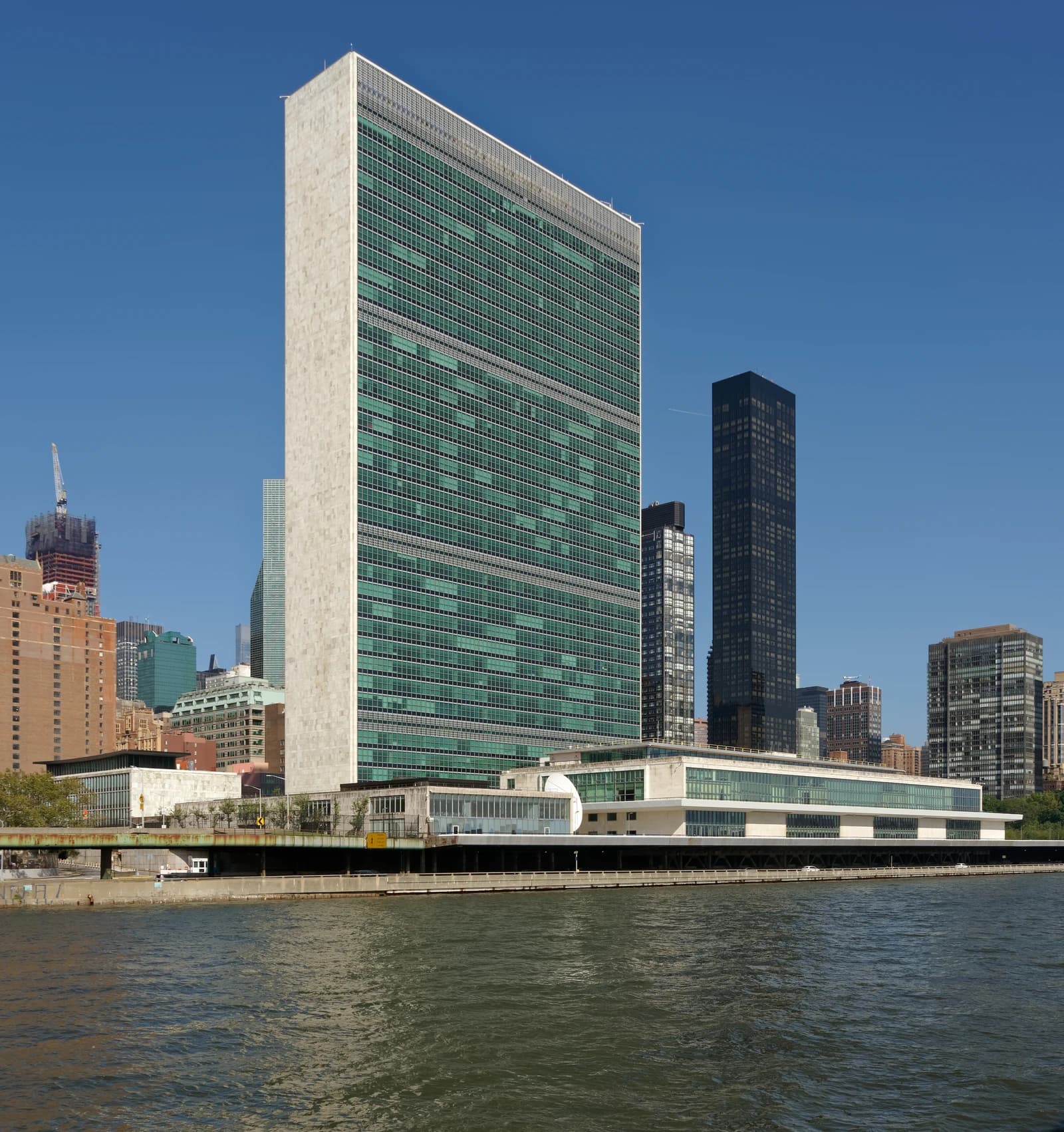
US President Donald Trump and Ukrainian President Volodymyr Zelensky agreed to meet in New York, sharpening the diplomatic drive to test whether a negotiated path can emerge in a war that has drained European security, strained global food and energy markets and kept geopolitical risk elevated for investors.
The meeting, confirmed by Zelensky, matters because it places Washington back at the center of the latest peace effort just as markets are weighing whether the conflict is moving toward de-escalation or settling into another protracted stalemate. Any serious opening for talks would carry economic implications well beyond Ukraine: for oil and gas prices, shipping and agricultural supply chains, defense spending, and the dollar’s safe-haven bid. It also comes as the White House’s policy direction has deteriorated sharply in Adalytica’s gauge, which sits at 4 out of 100 — labeled Extreme Fear — while awareness is at 96, showing how much attention the issue is drawing despite little confidence in the policy path.
Zelensky said the conversation was substantive and focused on concrete steps to reduce pressure on the front line. He said the talks covered energy and food security and the protection of civilians, framing the peace track as “priority number one.” He also thanked the US for the recent visit to Kyiv by Steve Witkoff and Jared Kushner, saying the Americans could assess conditions firsthand, and welcomed the signing of the Lindsey Graham law, a sign that congressional support for Ukraine policy remains part of the wider equation.
For investors, the immediate market significance lies less in the optics than in the optionality. A credible diplomatic track could eventually reduce tail risks in European energy markets and support risk assets exposed to lower geopolitical stress. It could also ease pressure on governments forced to maintain elevated defense outlays and crisis-era logistics buffers. But the path remains highly uncertain: previous negotiation efforts have repeatedly been overtaken by battlefield realities, and any process involving Kyiv, Washington and Moscow will depend on whether the parties can agree not just to meet, but to trade substantive concessions.
Trump has publicly signaled that Russian President Vladimir Putin is willing to talk, raising expectations that a broader ceasefire discussion may be possible. That would be the bull case for markets: lower oil-risk premiums, firmer consumer confidence in Europe, and some relief for currencies and assets that have been whipsawed by war headlines. The bear case is equally clear. Talks without verifiable military restraint could simply prolong uncertainty, while any hint of a frozen conflict would leave sanctions, defense demand and energy insecurity in place.
Adalytica’s global stability reading has dropped to neutral, with sentiment at 37, underscoring that the market is not pricing a clean resolution. Even so, the New York meeting is the clearest sign yet that the diplomatic channel is active and that Washington is trying to convert rhetoric into a framework for negotiations. For investors, the next catalyst is whether the meeting produces a timetable, a ceasefire concept or only another round of statements.
| Entity | Gains | Losses |
|---|---|---|
| Ukraine | ▲Diplomatic support | ▼Negotiating leverage |
| US White House | ▲Peace-process credibility | ▼Policy flexibility |
| Energy and food markets | ▲Lower risk premiums | ▼War-driven volatility |
| Defense sector | ▲Status quo spending | ▼Any ceasefire progress |