TSMC verifies A16 process, targets Q4 mass production

TSMC has verified its 1.6-nanometer A16 process and is targeting mass production in the fourth quarter, reinforcing its lead in advanced chipmaking just as the semiconductor industry’s AI arms race and supply-chain competition intensify.
The milestone matters because the next wave of AI accelerators, smartphones and high-performance computing chips depends on tighter power efficiency and denser transistors. For TSMC, staying first to volume production at each new node helps preserve pricing power, keeps its biggest customers tied to its roadmap and supports the premium valuation investors have put on the world’s dominant foundry.
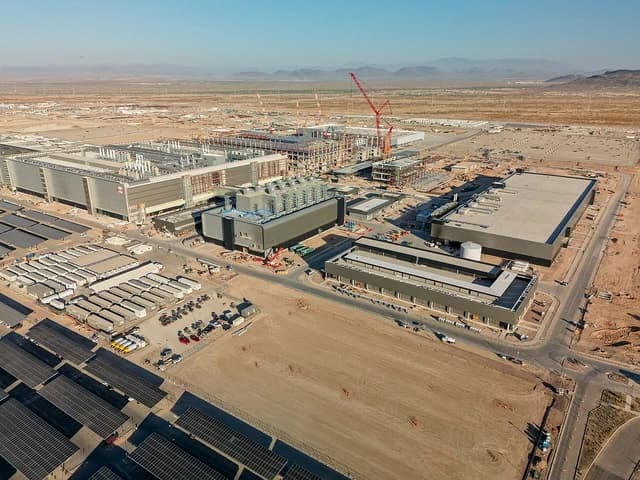
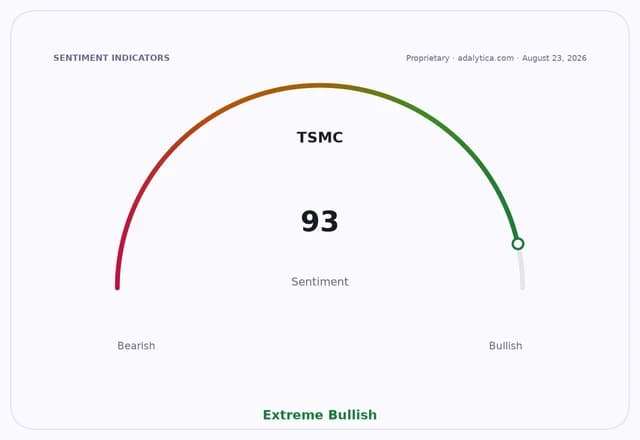
Shares of TSMC have reflected that leadership, rising to NT$418.95 on Aug. 21 from NT$374.67 on July 29, even after a sharp summer pullback. The stock is trading just under its 50-day moving average of NT$424.52, with RSI readings around 59 suggesting momentum has cooled from overbought levels but remains constructive.
The broader chip tape has been volatile, with the SOXX semiconductor ETF sliding to 520.05 on Aug. 21 from 655.01 in late June, while Nvidia has also lost some recent traction after a strong run. That divergence underlines how investors are still sorting winners from losers in AI hardware, with advanced manufacturing names like TSMC seen as a foundational pick-and-shovel play behind the model builders and chip designers.
TSMC’s progress also lands in a more competitive environment. Nvidia has denied reports that it plans a China-specific LPU, while AMD and Furiosa AI are reportedly aligning to challenge Nvidia’s dominance, a sign that demand for leading-edge wafers could stay strong even as product strategies fragment by region and customer.
For investors, the key question is whether TSMC can convert the A16 advance into sustained margin support and another round of customer wins without running into the execution risks that come with ever-finer process shrinks. The next catalyst is likely to be confirmation of mass-production timing and any details on early customer adoption.
| Entity | Gains | Losses |
|---|---|---|
| TSMC | ▲pricing power, customer lock-in | ▼execution risk |
| AI chip designers | ▲better performance, lower power | ▼higher wafer costs |
| Semiconductor rivals | ▲pressure to keep up | ▼node leadership gap |
| SOXX holders | ▲broader industry upside if rollout succeeds | ▼volatility if AI spending cools |